Ministry Claims CBSE Not Obliged to Answer Parliamentary Panel Queries
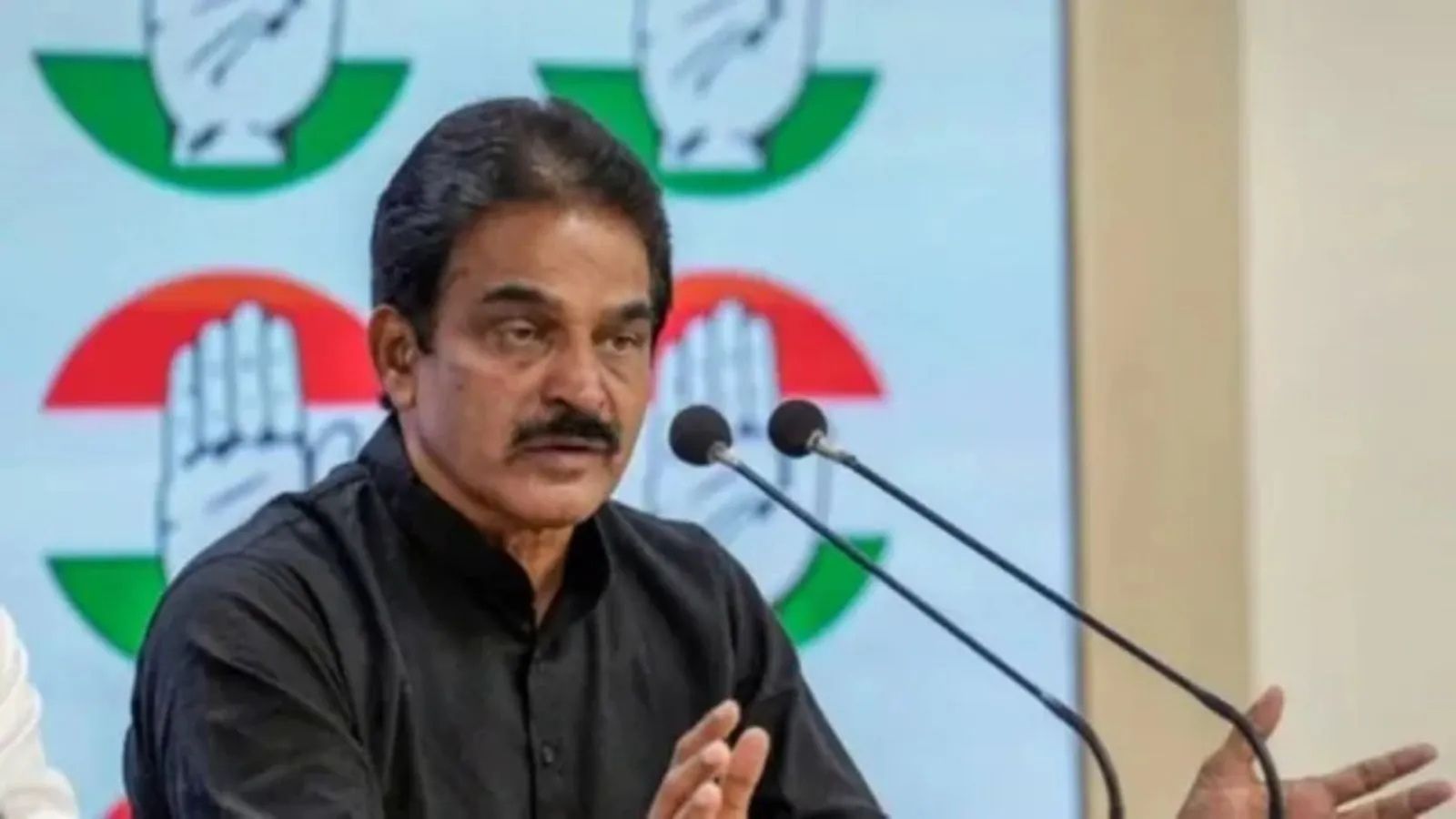
A major controversy erupted during a meeting of the Public Accounts Committee (PAC) on Thursday, when the Ministry of Education argued that the Chairperson of the Central Board of Secondary Education (CBSE) is not bound to answer questions from the parliamentary panel. The PAC, headed by Congress MP K C Venugopal, had summoned CBSE Chairperson Lokhande Prashant Sitaram to provide oral evidence on the conduct of recent examinations and the widespread issues faced by students across the country.
The scheduled agenda for the meeting was a briefing and oral evidence from representatives of the Ministry of Education, the Department of School Education and Literacy, and the Department of Higher Education on the 'Review of implementation of centrally sponsored welfare schemes'. However, before members could question the CBSE chief, Vineet Joshi, Secretary of the Ministry of Education, informed the committee that the CBSE chairperson is not required to answer queries, as the board is not funded by the central government. This stance was reportedly conveyed during the meeting, leading to a sharp exchange between the ministry and opposition members.
The Public Accounts Committee is a key parliamentary committee responsible for auditing the expenditure of the government. Its members questioned whether a statutory body like CBSE, which conducts examinations for millions of students, could evade scrutiny by a parliamentary watchdog. Opposition members argued that regardless of funding, CBSE performs a public function and must be accountable to Parliament. The ministry's position, however, was that since CBSE is an autonomous body not directly funded by the Centre, it falls outside the PAC's purview.
The row highlights ongoing tensions between the government and opposition over accountability mechanisms. The PAC chairman, K C Venugopal, stated that the matter would be examined further, and the committee may seek a legal opinion on the issue. The development has sparked a debate on the scope of parliamentary oversight over autonomous and statutory bodies in India.