MGNREGA out, VB-G RAM G in: 125 days of work, but states to share costs
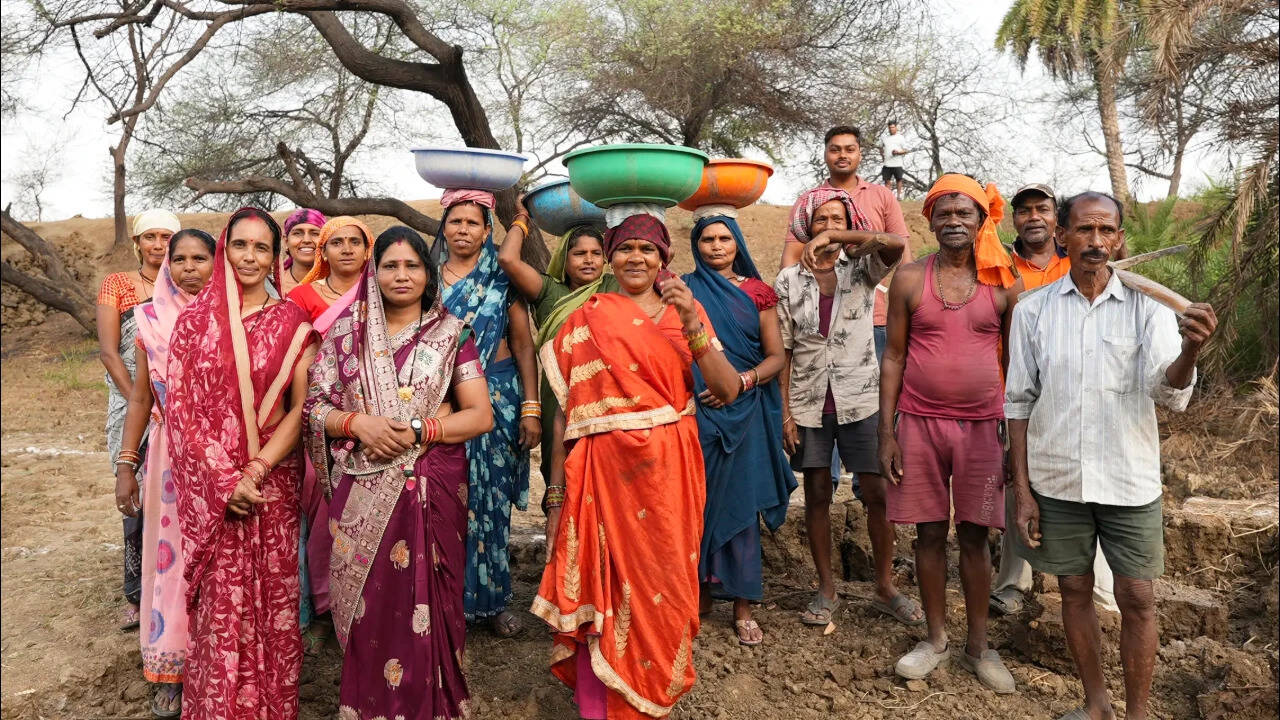
The Mahatma Gandhi National Rural Employment Guarantee Act (MGNREGA), which served as rural India's job safety net for two decades, was repealed on July 1, 2026. In its place, the government has brought the Viksit Bharat–Guarantee for Rozgar and Ajeevika Mission (Gramin), or VB-G RAM G, which raises the guaranteed employment from 100 to 125 days per rural household. The new scheme aims to create durable assets while linking wage work with village infrastructure, livelihoods and climate resilience.
Under VB-G RAM G, the approved labour budget stands at 95.03 crore person-days for the current fiscal. So far, 62.20 crore person-days have been generated, which is 65.51% of the approved target. Scheduled Caste workers account for 16.84% of these person-days. Government data showed that 5.20 crore person-days had been generated by July 22, with more than 99.5% of workers who demanded employment having been offered work. The government later told Parliament that over 9.69 crore person-days were generated in approximately the first month of implementation.
The permitted works under the new mission include water-related projects, core rural infrastructure, livelihood-related infrastructure and projects to tackle extreme weather events. The government's pitch is simple: more days of work, better wages and more useful assets for rural India.
The biggest change, however, is in funding. Under MGNREGA, the Centre bore the full cost of unskilled wages and 75% of material costs and wages of skilled and semi-skilled workers, while states contributed the remainder along with other liabilities. Under VB-G RAM G, most states will have to share the cost with the Centre in a 60:40 ratio. This means states will need to allocate more of their own funds to the rural employment programme.
The Centre has earmarked Rs 95,692.31 crore as its share for VB-G RAM G in 2026-27, covering the nine-month period from July 1 to March 31. Including the expected state contribution, the total programme outlay is estimated to exceed Rs 1.51 lakh crore.
This shift in funding has major implications for states that have historically relied heavily on the rural jobs programme. Tamil Nadu, Uttar Pradesh, Rajasthan, Andhra Pradesh and Bihar remain among the biggest players. Uttar Pradesh and Maharashtra could emerge as the largest beneficiaries under the new framework, given their high demand for rural employment. Tamil Nadu also has a lot at stake, as it has consistently generated a large number of person-days. For states like Rajasthan, Bihar and Andhra Pradesh, the transition matters the most because they have large rural populations dependent on guaranteed work.
Workers continue to have the right to demand work and are entitled to unemployment allowance if employment is not provided within the prescribed period. However, the new scheme brings more scrutiny in terms of project planning, implementation and asset quality. Applications for work under the new employment scheme will be processed under the revised framework, with a focus on transparency and accountability.
The bottom line is that VB-G RAM G offers more guaranteed days and a broader scope of works, but it also places a greater financial burden on states. The success of the mission will depend on how effectively states manage their increased responsibilities and whether the new assets created translate into sustainable rural livelihoods.







