Mauricio Claver-Carone exits unofficial Venezuela role amid business conflict questions
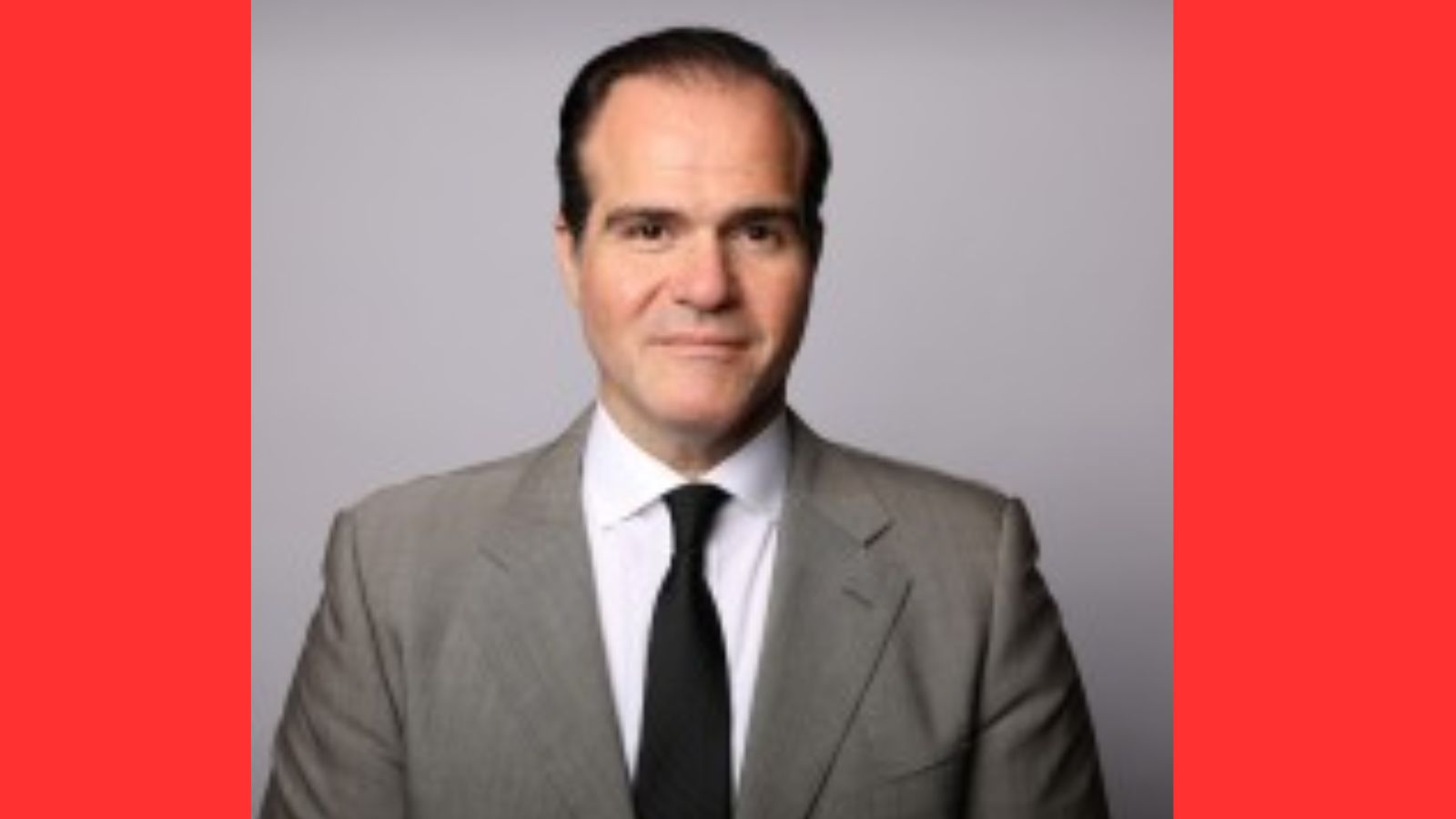
Mauricio Claver-Carone, the Miami businessman who helped shape US policy on Venezuela, has left his informal advisory role. He told Reuters that his departure was voluntary, but several people familiar with the matter said he was pushed out in recent weeks.
Claver-Carone held no official government position, yet he reported to Secretary of State Marco Rubio and became a key voice on Venezuela after the capture of President Nicolas Maduro in a 3 January raid. His influence extended to oil and debt dealings, as well as talks between the US and Venezuela's new government.
His dual role as a private equity fund manager and adviser raised questions. At the same time as he advised on Venezuela's oil and debt deals, his fund could benefit from those deals. Some Trump allies questioned whether a private citizen should have such influence over US firms competing for Venezuelan business.
Claver-Carone told Reuters that neither he nor his fund has any financial stake in Venezuela. He described his exit in five words: "I'm retired on Venezuela."
Concerns about his position were reportedly raised by former US ambassador Richard Grenell, who had previously served as the Venezuela envoy. According to reports, Grenell spoke directly with President Trump in early July about Claver-Carone's business dealings. Grenell did not respond to requests for comment.
Claver-Carone also relied on Venezuelan businessman Alejandro Betancourt as an intermediary with Venezuela's new government. Betancourt has faced years of scrutiny over corruption and money-laundering allegations in several countries, including the US, which he denies. That association added to unease among some officials and investors.
The State Department denied that Claver-Carone was removed from any role. A spokesperson called him a private citizen with regional contacts and rejected the suggestion that he was forced out.
During his time as adviser, Claver-Carone helped US firm Centerview Partners secure a contract worth more than $150 million to restructure Venezuela's nearly $200 billion debt, without competitive bidding. He also helped arrange talks between Venezuela's government and opposition leaders, scheduled to begin on 1 August.
The new Venezuelan leader, former Vice President Delcy Rodriguez, worked closely with Claver-Carone and was seen as more open to US demands to open the economy. The talks are seen as a key step toward normalising relations between the two countries after years of tension.
In President Trump's first term, Claver-Carone led the Inter-American Development Bank before leaving amid misconduct allegations. He also advocated for sanctions on Venezuela in 2019 and helped reverse Obama-era policies toward Cuba. His career has been marked by a mix of influence and controversy.
It is not yet clear how his departure will affect US business dealings in Venezuela. Several other US officials remain active on the matter and show no sign of stepping back. The episode highlights the broader debate over the role of unofficial advisers in shaping foreign policy, and the potential for conflicts of interest when private citizens wield such influence.