Maharashtra Cabinet Sub-Committee Recommends Withdrawal of 44 Cases from Past Agitations
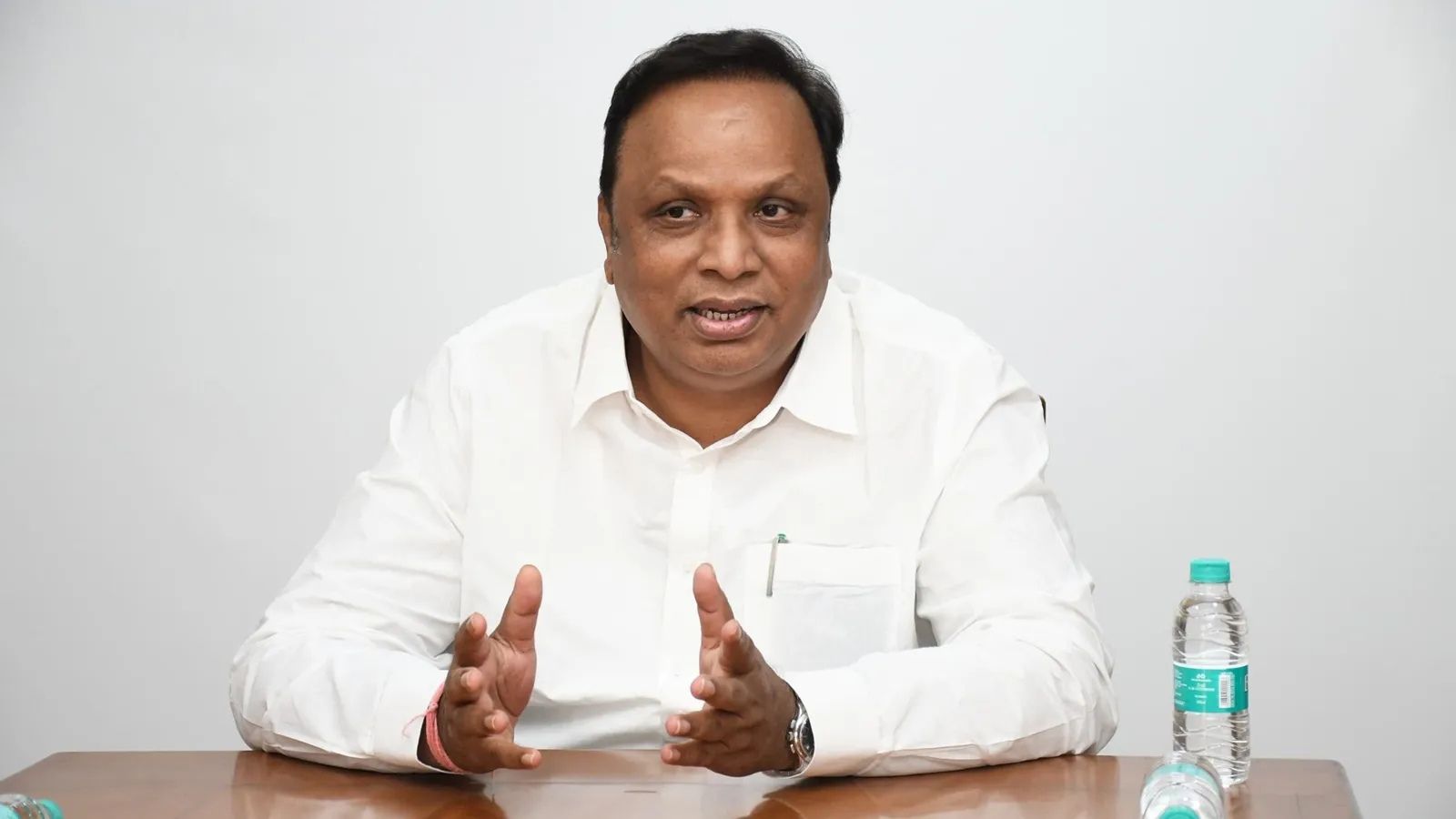
Maharashtra's Cabinet Sub-Committee, chaired by Cultural Affairs Minister Ashish Shelar, has recommended the withdrawal of 44 cases registered during various religious, political and social agitations in the state. The decision was announced on Wednesday after a meeting that reviewed 133 applications.
The committee was constituted to review cases filed during political and social agitations and to recommend withdrawals where deemed appropriate. This is the second such recommendation; earlier, 77 cases were recommended for withdrawal. The recommendations will now be sent to the state government for final approval.
The cases being considered for withdrawal are those related to protests, agitations, and similar activities. However, the committee clarified that certain categories of cases would not be eligible for withdrawal. These include crimes against women, serious criminal offences, and cases arising from personal or civil disputes. The government's policy on withdrawal of cases explicitly excludes such offences, and the committee refused to consider any applications in these categories.
Minister Shelar stated that the committee's objective is to reduce the burden on the judicial system by withdrawing cases that are not of a serious nature and where the public interest does not require continued prosecution. He emphasised that the decision was taken after careful scrutiny of each application, ensuring that the process remains transparent and within the legal framework.
Among the cases recommended for withdrawal are those registered during protests by various political and social groups. The committee did not provide a detailed list but indicated that the cases span different districts and involve relatively minor charges related to unlawful assembly, rioting, or obstruction of public order, where no serious harm was caused.
Opposition parties and civil society groups have had mixed reactions. Some have welcomed the move as a step towards decongesting the courts and providing relief to activists and common citizens who were dragged into legal battles for participating in agitations. Others have expressed concern that the withdrawal might be used to let off political allies. The committee, however, maintains that the process is based on non-partisan criteria.
Legal experts note that the state government has the authority to withdraw criminal cases under Section 321 of the Code of Criminal Procedure, 1973, but it must be done in the public interest, and the court has to approve the withdrawal. The committee's recommendations will be examined by the legal department before formal court applications are made.
The sub-committee will continue to meet periodically to review pending applications. So far, a total of 121 cases have been recommended for withdrawal (77 earlier plus 44). The government's policy on withdrawal of cases from agitations was announced last year, aiming to provide relief to those who were booked for participating in peaceful protests or agitations that did not involve violence against persons or property.
Crimes against women, cases under the Protection of Children from Sexual Offences (POCSO) Act, serious offences under the Indian Penal Code involving death, grievous hurt, or large-scale property damage are strictly excluded from this policy. Additionally, cases where investigations are ongoing or where public interest demands prosecution will not be withdrawn.
The committee reiterated that the withdrawal of cases does not imply condoning unlawful acts but is a pragmatic measure to prioritize the use of judicial and prosecutorial resources towards serious crimes. Citizens whose cases are recommended for withdrawal will be informed through the authorities, and the legal process will follow with court applications.
This development comes amid a broader trend in several Indian states to withdraw cases related to political agitations, with the aim of reducing pendency and addressing grievances of protest participants who face long-drawn legal proceedings for minor offences.


