Madras High Court Refuses Divorce: 'True Disability' Is Husband's Attitude
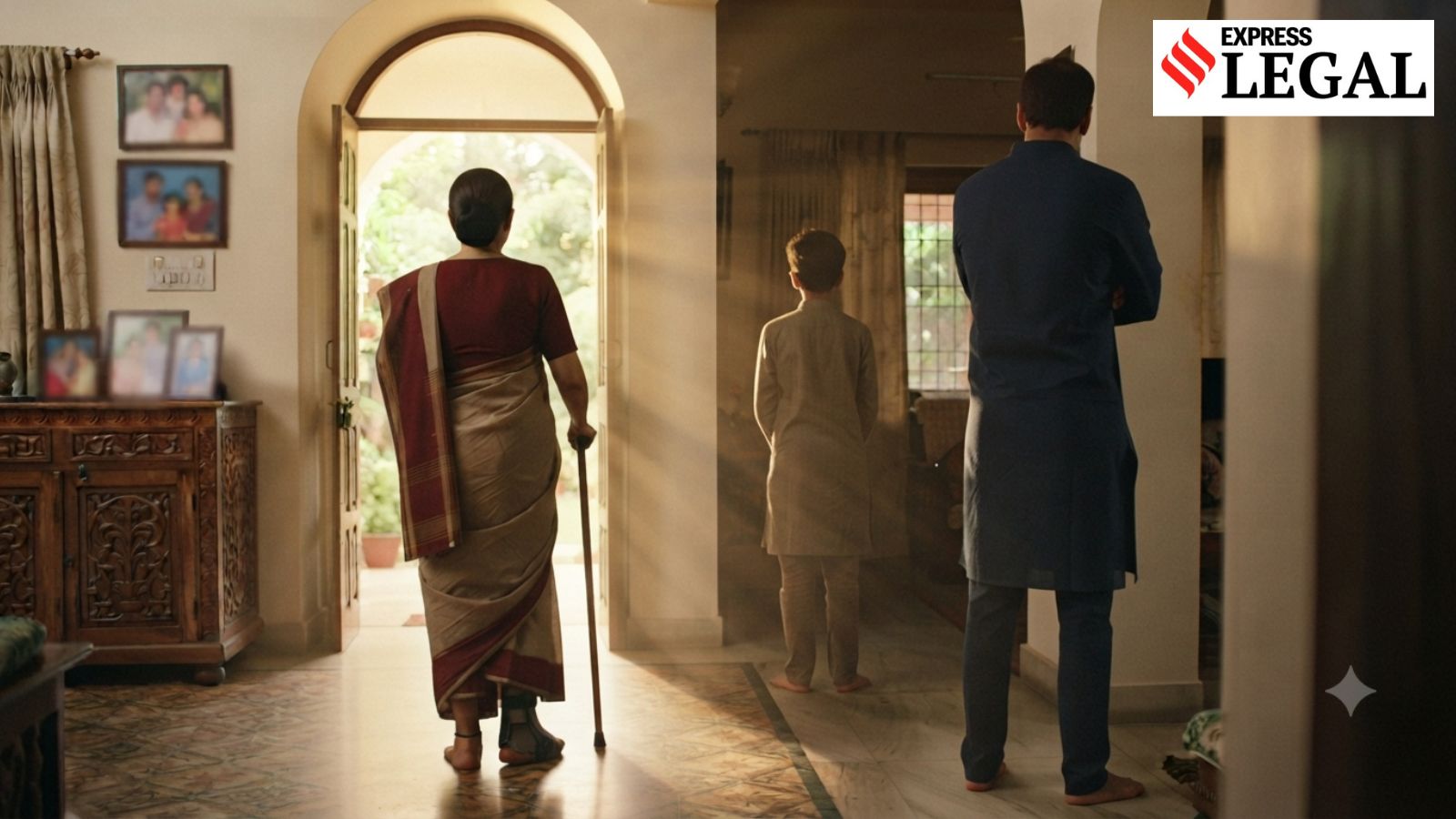
The Madras High Court has refused to dissolve a marriage, observing that the “true disability” in the case was the husband’s inability to acknowledge his wife’s positive qualities. The court held that a physical disability caused by an accident cannot be a ground for divorce, and that discrimination based on disability violates the constitutional values of equality, dignity and non-discrimination.
A division bench of Justices N Anand Venkatesh and K K Ramakrishnan was hearing a man’s appeal against a family court order that rejected his divorce petition. The husband alleged that his wife concealed a permanent physical disability she suffered in a road accident before their marriage, and that she subjected him to mental cruelty.
“The true disability in this case is the inability of the husband to acknowledge the positive side of the wife. To ostracise or discriminate a person merely on account of disability is contrary to the constitutional values of equality, dignity, and non-discrimination,” the bench said. It added that such an approach would undermine the rights of persons with disabilities and their participation in the mainstream of society.
The court noted that nations across the world have enacted legislative and policy measures to safeguard the rights of persons with disabilities. It also referred to the United Nations’ international instruments in this regard. India, in furtherance of its constitutional obligations and international commitments, has enacted comprehensive legislation, including the Rights of Persons with Disabilities Act, 2016, to ensure equal opportunities and protection of dignity for persons with disabilities.
The couple married on June 24, 2010, and had a son in July 2011. They have been living separately since August 2013. The husband contended that the wife’s family deliberately suppressed information about her injuries and her alleged treatment for depression before the marriage. He further claimed that she failed to discharge household responsibilities, frequently quarrelled, threatened to commit suicide, and caused him severe mental agony, which he said amounted to mental cruelty under Section 13(1)(i-a) of the Hindu Marriage Act, 1955.
The wife denied all allegations of suppression. She maintained that the husband was fully aware of her injuries before the wedding. She said the marriage was consummated, they led a normal marital life, had a child, and she was willing to continue the relationship.
Rejecting the husband’s main contention, the court held that a physical disability cannot make a person unfit for married life. “To recognise disability, by itself, as a ground for divorce in the facts of the present case would amount to legitimising discrimination against persons with disabilities and would undermine the very object sought to be achieved by the constitutional guarantees and the statutory protections afforded to them,” the bench said.
The court also found no merit in the allegations of cruelty. It upheld the family court’s decision of September 15, 2020, and dismissed the appeal on July 28.
The judgment sends a clear message that disability cannot be equated with incapacity for marriage. It reinforces the constitutional promise of equality and dignity for all, and reminds courts and litigants that matrimonial law must be interpreted in a manner that respects the rights of persons with disabilities.