Madras High Court Orders Fresh Autopsy for Newlywed Woman Citing Body as Key Witness
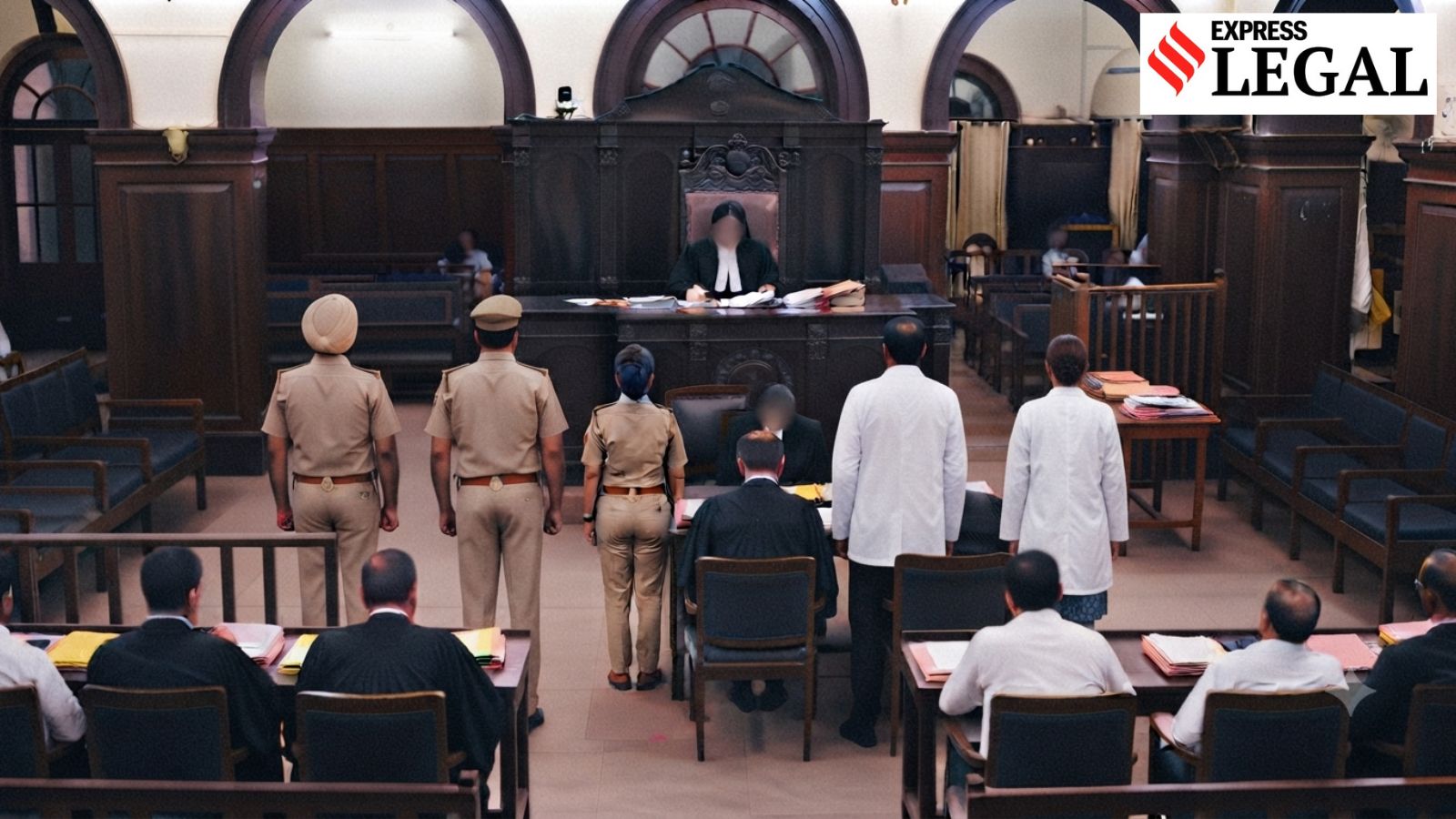
The Madras High Court has ordered a fresh investigation and post-mortem examination into the death of a 24-year-old newlywed woman in Sivagangai district, after her mother raised questions about the initial autopsy and alleged dowry harassment.
Justice L Victoria Gowri, hearing a writ petition on July 24, emphasised the importance of the human body as evidence in suspicious death cases. “In cases of unnatural or suspicious death, the body becomes the first and, at times, the most truthful witness… A post-mortem examination is not a routine administrative exercise. It is a solemn medico-legal exercise intended to place science at the service of justice,” the court observed.
The woman died on June 17, less than five months after her wedding on January 25. Her mother alleged that she had been subjected to dowry-related harassment over a demand for an additional 5.5 sovereigns of gold, and claimed she was around four months pregnant at the time of death. The family questioned the circumstances in which she was found hanging inside the matrimonial home.
The court noted that its duty is not to choose between competing narratives but to ensure that the process of discovering truth remains “legally sound, scientifically reliable and publicly credible”.
An independent forensic review by Dr S Angayarkanni, associate professor of Forensic Medicine at KAP Viswanatham Government Medical College, Tiruchirappalli, found several discrepancies between the original post-mortem report and video records. These included inconsistencies in the timing of autopsy, examination of clothing, documentation of the ligature mark, dissection of the neck, examination of skull structures, collection of biological samples, and recording of pregnancy-related findings.
The court clarified that the proceedings were not meant to determine negligence by doctors or police, but to ensure that the truth emerges through scientific means. “The final answer must come from the body, the preserved material, the digital record and a fair investigation,” it stated.
The woman's body had been preserved in the Government Medical College Hospital mortuary in Pudukkottai after her family refused to accept the original post-mortem findings. The court directed the director of medical education and research to constitute a multidisciplinary medical board within 24 hours, comprising senior forensic medicine professors, a forensic pathologist, a radiologist, an obstetrician-gynaecologist, and a forensic science expert, to conduct a fresh post-mortem examination.
Justice Gowri held that continued preservation of the body for an indefinite period would be inconsistent with the idea of providing dignity in death, and that valuable evidence could be permanently lost if the examination was delayed further. The court also ordered the transfer of the investigation to a Special Investigation Team (SIT) for a fair probe.