Madras High Court cancels liquor bar licence near temple, church citing Gandhi's prohibition vision
The Madras High Court has cancelled a liquor bar licence granted to a recreation club in Tamil Nadu's Karaikudi, invoking Mahatma Gandhi's vision of total prohibition. The court ruled that authorities failed to comply with mandatory legal safeguards and did not adequately assess public interest before permitting the sale of alcohol at a location near a temple, a church, and educational institutions.
A bench of Justices N Sathish Kumar and M Jothiraman was hearing two public interest litigations (PILs) challenging the FL2 licence issued by the commissioner of prohibition and excise to 'Santhosam Recreation Club' on November 12, 2025. The petitioners sought cancellation, alleging violations of statutory rules and questioning the suitability of the location.
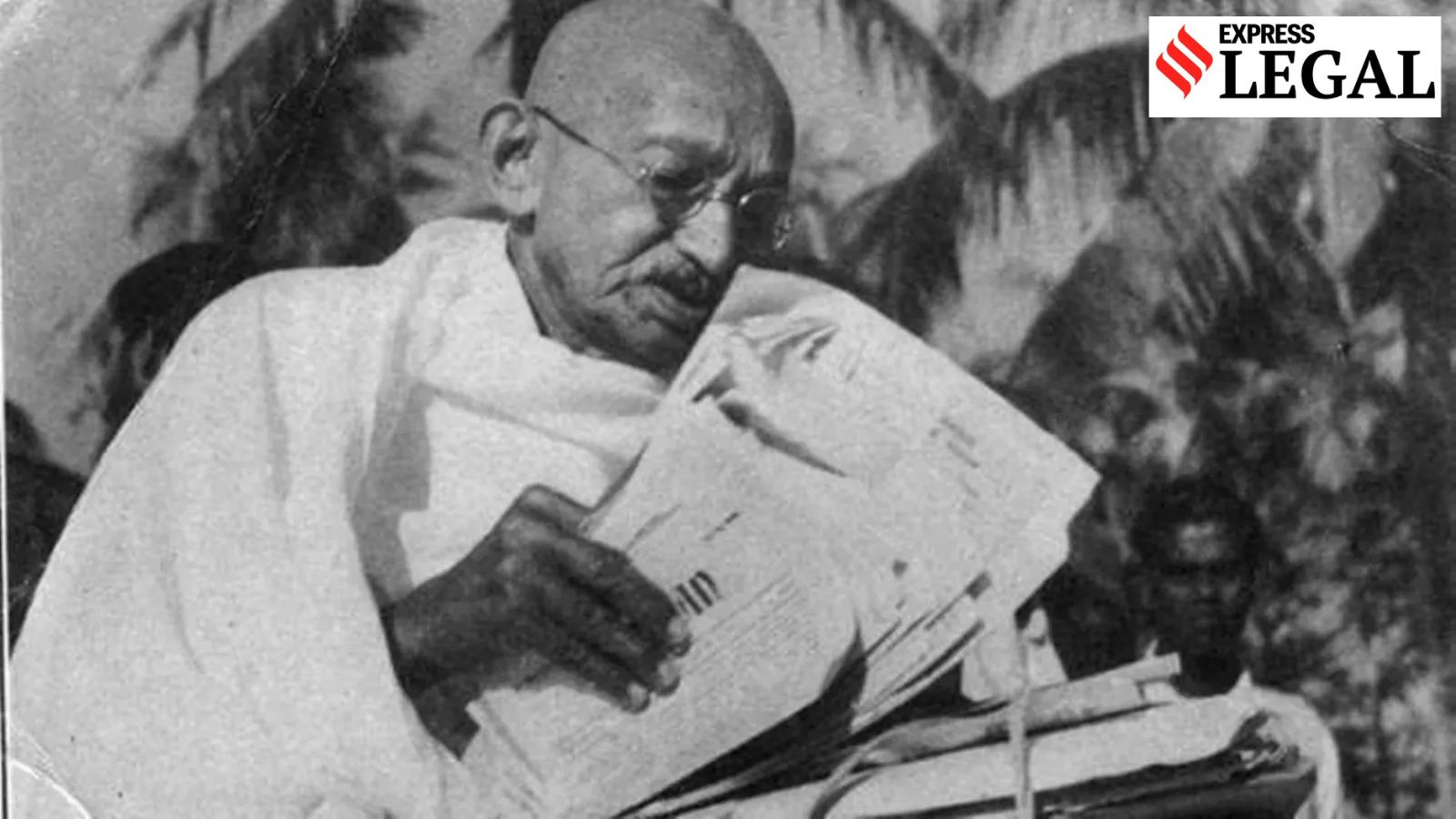
“It is pertinent to mention that Father of our Nation, Mahatma Gandhi tried to achieve three important objectives, namely, removal of untouchability, accomplishment of Hindu-Muslim unity and total prohibition of liquor,” the court said on June 23.
The case arose from objections by residents of Karaikudi's Burma Colony, who claimed the bar was permitted in a sensitive locality near places of worship, hospitals, and educational institutions. The establishment opened on November 17, 2025, but was temporarily closed on November 19, 2025 after sustained public protests.
The first petitioner, C Arundurai, contended that the club obtained the licence to serve liquor in a densely populated residential area. According to the plea, Sri Sakthi Veerakaaliyamman Temple and a church were nearby, while educational institutions associated with Alagappa University were also in the vicinity. The petitioner argued that the licence was granted in violation of statutory safeguards and without proper regard for public interest.
Another petitioner, Chithiral, told the court that Karaikudi is a major educational centre with several colleges and schools. The petition alleged that the licence was granted despite the presence of hospitals, religious institutions, and other public facilities. The petitioners further submitted that widespread public protests erupted soon after the licence became known.
The state government defended the licence, stating the application was processed after obtaining reports from the superintendent of police, revenue divisional officer, and tahsildar, all of whom recommended issuance. The district collector then forwarded a favourable recommendation to the commissioner of prohibition and excise.
The recreation club also defended the licence, arguing it was a registered society and applied to cater to its members. It contended that the temple and church were beyond the prescribed distance and that legal requirements were satisfied.
The high court appointed an advocate commissioner on April 10 to inspect the site and submit a report. After reviewing the report, the court concluded that the licence was granted without proper assessment of public interest and violated rules regarding proximity to religious and educational institutions. The court ordered cancellation of the licence, stating that authorities had failed to consider the potential nuisance and harm to the community.