Madhya Pradesh Rolls Out APAAR ID for School Students: A Digital Academic Record
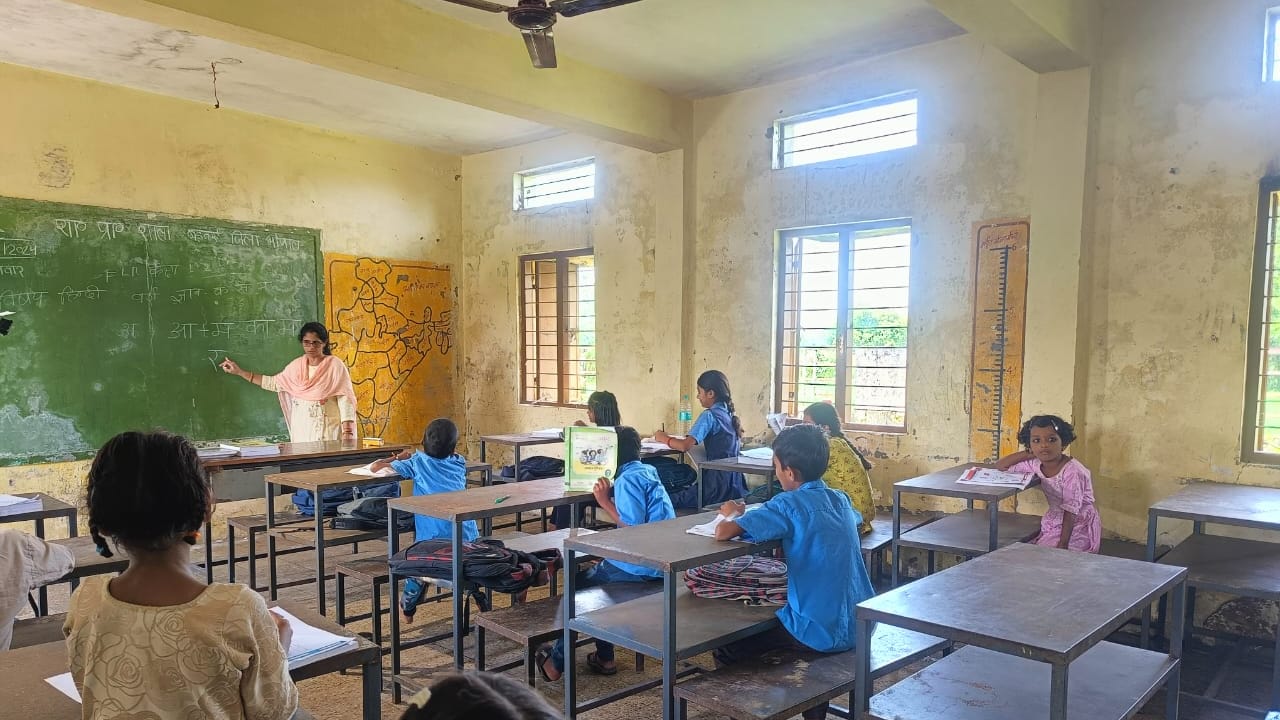
School students in Madhya Pradesh will each receive a 12-digit APAAR ID, a unique digital identity for their academic records, the state's School Education Department has announced. According to official figures, such IDs have already been created for 78.5 per cent of students in the state, with around one crore IDs generated so far.
APAAR stands for Automated Permanent Academic Account Registry. It is described in official documents as a specialised identification system for students in India and forms part of the 'One Nation, One Student ID' programme, which is aligned with the National Education Policy (NEP) 2020.
Announcing the rollout through its official handle on X, the School Education Department said: "Madhya Pradesh school students to have unique ID like 'Aadhaar'" and "All student information to be integrated in 12-digit APAAR ID."
Under the plan, details related to a student will be linked to a single 12-digit number so that a child's educational information is stored digitally and can be retrieved when needed. The stated objective is to reduce dependence on paper records and on the multiple documents that students and families currently carry when changing schools or applying for further study.
As per official information, APAAR enables students to accumulate and store their academic accomplishments and is intended to make transitions between institutions smoother for those pursuing further education. The official website states that the ID has simplified the processes of credit recognition and transfer from the school level onwards, thereby streamlining academic progression and recognition of prior learning.
The comparison with Aadhaar refers to the format of the number. Aadhaar is a 12-digit identity number issued by the Unique Identification Authority of India, while APAAR is a 12-digit record maintained for academic purposes. The two serve different functions, and official material describes APAAR as an academic registry rather than a general identity document.
According to the programme's guidelines, a student's APAAR ID is created with the consent of a parent or guardian, and Aadhaar details are used for verification of identity. The national framework describes the process as consent-based, with schools acting as the point of enrolment for students who are not yet covered.
Madhya Pradesh is among the states that have moved ahead on the programme, which is being implemented across the country under NEP 2020. The policy, adopted in 2020, sets out a wider plan for school and higher education, including the creation of a national digital repository of academic records. Officials have said such a repository is meant to help students produce verified certificates when they seek admission or employment, and to help institutions verify credentials without repeated paperwork.
Digital academic records of this kind are also intended to cut down the loss of documents that often follows migration, school changes or disruptions such as natural disasters. At the same time, the design of any system that holds large volumes of personal data continues to draw attention from parents, teachers and civil society groups, who have sought clarity on how information is stored, who can access it and how consent can be withdrawn.
The announcement did not specify a timeline for completing the rollout or the process by which the remaining students will receive their IDs. As per official information, the department will continue to generate unique IDs for the students still to be covered.