Lok Sabha Speaker to Hear TMC's Abhishek Banerjee on Party Split on June 19
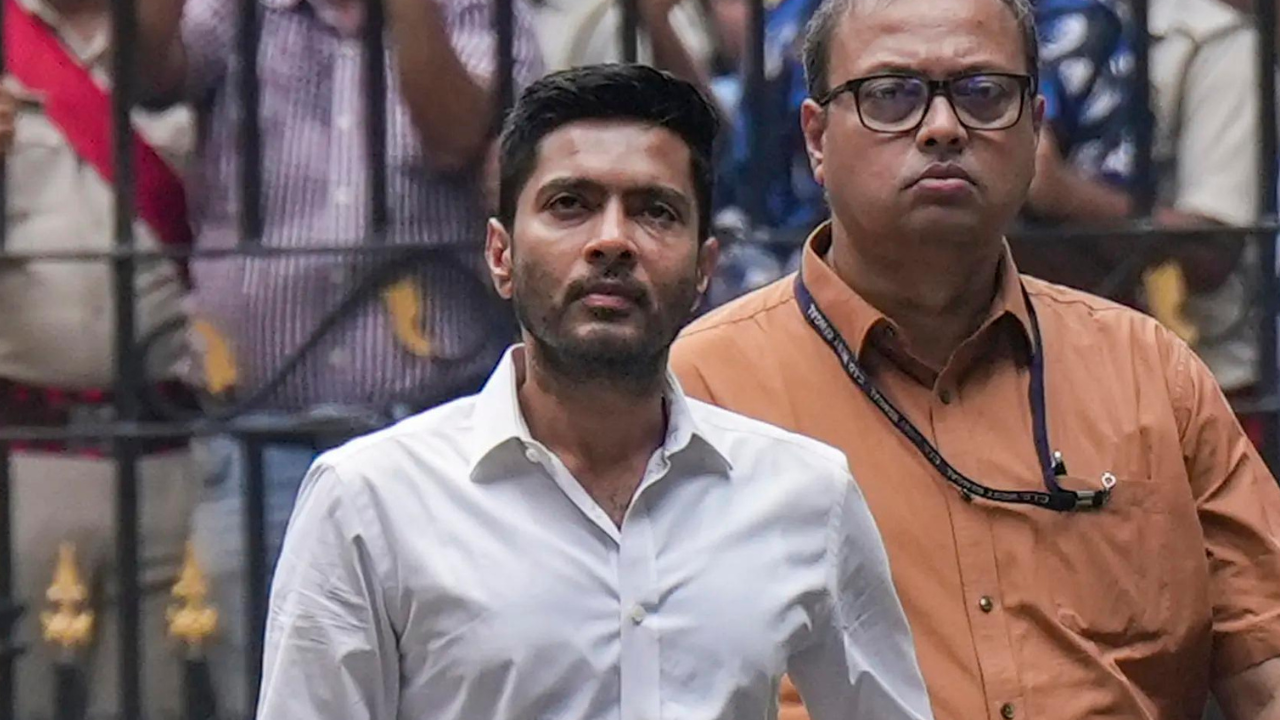
Lok Sabha Speaker Om Birla has invited Trinamool Congress (TMC) leader Abhishek Banerjee for a meeting on June 19 to present his views on the deepening split within the party. The meeting, scheduled for 5 pm at Parliament House, comes after a group of 20 rebel TMC MPs sought recognition as a separate faction in the lower house.
The rebel lawmakers have informed the Speaker that they have merged with the Nationalist Citizens Party of India (NCP-I) and are seeking to function as a distinct political entity. This move has set the stage for a potential leadership struggle in the TMC, which holds 29 seats in the current Lok Sabha.
The dispute traces back to internal dissensions within the TMC, with several MPs expressing discontent over the party's decision-making processes. The rebel group formally wrote to the Speaker in early June, requesting official recognition of their separation from the parent party. In response, Speaker Birla decided to hear both sides before arriving at a decision.
The Speaker's office had initially asked Banerjee, who serves as the TMC's floor leader in the Lok Sabha, to meet on Monday. However, Banerjee was occupied that day with questioning by the West Bengal Criminal Investigation Department (CID) in connection with multiple criminal cases registered against him. Taking this into account, the Speaker's office rescheduled the meeting to Friday.
On June 10, Banerjee had written to Speaker Birla, urging him not to accord any recognition to the rebel faction. In his letter, he argued that the Indian Constitution does not permit the formation of a separate group within an existing political party. He contended that allowing such a split would undermine the party's unity and set a dangerous precedent for parliamentary democracy.
The TMC, led by West Bengal Chief Minister Mamata Banerjee, has dismissed the rebel MPs' claims as a betrayal of the party's mandate. Party insiders maintain that the majority of its MPs remain loyal to the leadership. Abhishek Banerjee, who is also the party's national general secretary, is expected to present a robust case backed by legal and constitutional arguments.
As the presiding officer of the Lok Sabha, the Speaker holds significant discretionary powers in matters related to the recognition of parliamentary groups and split factions. The rules and precedents of the house require the Speaker to examine the factual and legal basis of such claims before issuing any order. A decision recognising the separate group could allow the rebels to claim separate seating, speaking time, and other privileges in the house.
Political analysts point out that the crisis could have wider implications for the opposition's unity in Parliament. The TMC has been a vocal critic of the government, and a divided house might dilute its effectiveness. However, the party leadership remains confident that the Speaker will rule in its favour, given what it calls a 'frivolous' attempt by a section of MPs to engineer a split.
The June 19 meeting is anticipated to be a critical juncture, as the Speaker's subsequent ruling will shape the parliamentary dynamics for the remainder of the term. Both the rebel MPs and the TMC leadership are likely to closely watch the proceedings, with the possibility of legal challenges looming if the decision is contested.
Historically, Lok Sabha Speakers have dealt with similar situations involving parties such as the Janata Dal and the Samajwadi Party, where split groups were recognised after thorough scrutiny. The Tenth Schedule of the Constitution, commonly known as the anti-defection law, primarily addresses defections by individual lawmakers but does not explicitly lay down procedures for recognising breakaway factions. Legal experts note that the Speaker's decision in such matters is quasi-judicial and can be challenged in court if it violates constitutional principles.


