Lok Sabha Passes Bill to Tighten Anti-Cheating Laws in Public Exams
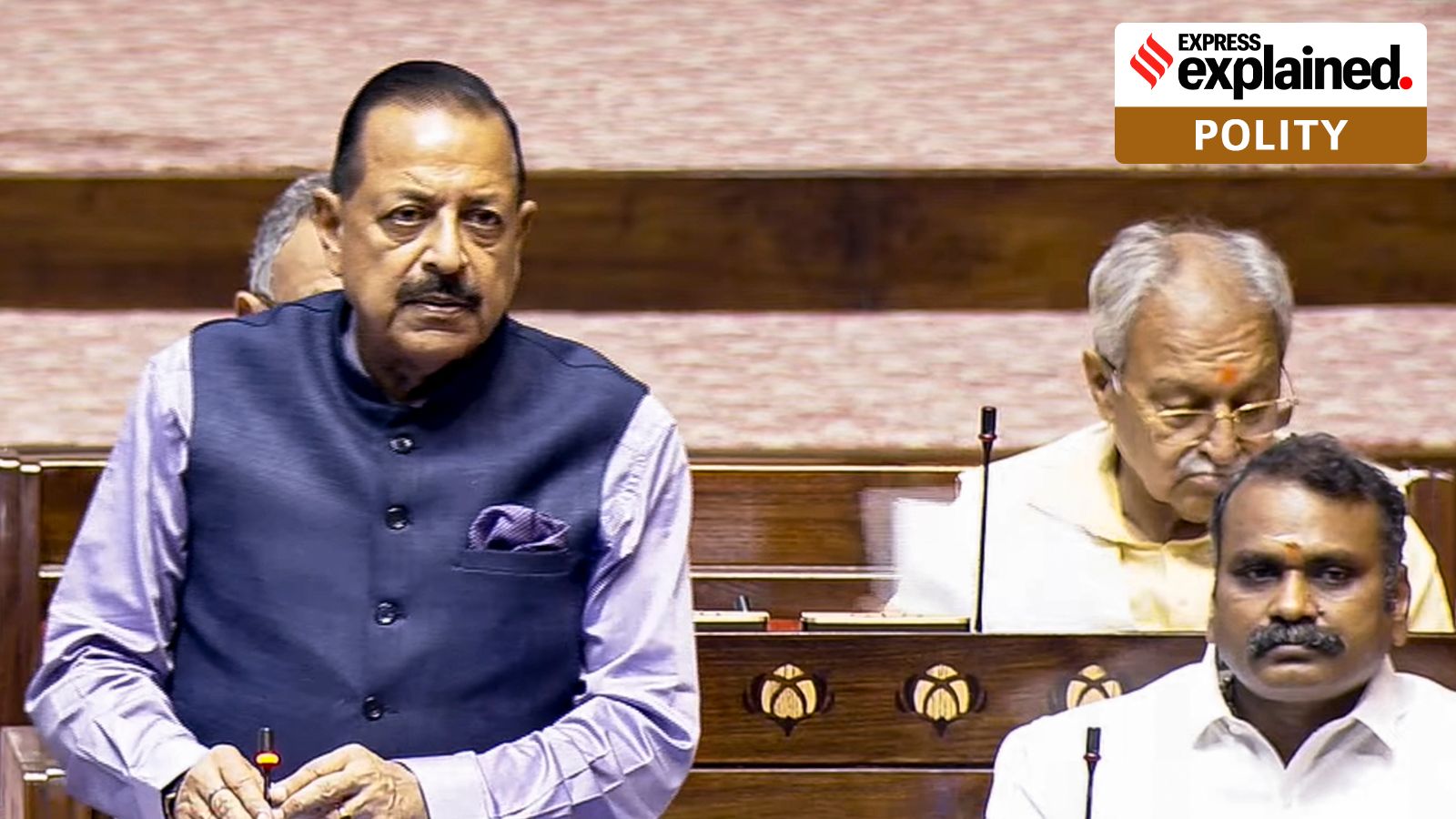
The Lok Sabha on Thursday passed the Public Examination (Prevention of Unfair Means) Amendment Bill, 2026, by a voice vote, amid ongoing protests over the NEET paper leak. The Bill, which aims to strengthen the existing 2024 law, was introduced following a directive from Prime Minister Narendra Modi after widespread student demonstrations against examination malpractices.
The original Act, passed in 2024, provided for strict punishments for those involved in unfair means in examinations conducted by key agencies such as the Union Public Service Commission (UPSC), Staff Selection Commission (SSC), Railway Recruitment Board (RRB), Institute of Banking Personnel Selection (IBPS), and the National Testing Agency (NTA). The new Bill enhances these penalties significantly.
According to the statement of objects and reasons, the Bill seeks to address recent incidents of question paper leaks and malpractices that have undermined the transparency and fairness of the public examination system. It aims to facilitate speedy trials and ensure time-bound investigations into such offences.
Key features of the Bill include enhanced punishments for individuals, service providers, and organised groups involved in cheating. For individuals, the maximum imprisonment has been increased from five to ten years, and the maximum fine from Rs. 10 lakh to Rs. 50 lakh. Service providers now face a fine of up to Rs. 5 crore (previously Rs. 1 crore) and a ban from examination-related work for eight years (previously four years). Directors or senior management found guilty will face a minimum five-year prison sentence and a fine of up to Rs. 5 crore. In cases of organised crime, the minimum imprisonment is seven years, with a fine up to Rs. 10 crore.
The Bill also provides statutory backing for the establishment of fast-track courts to try such offences, with a mandated five-month timeline for investigation and trial. Additionally, it empowers the central government to create a Special Task Force to investigate examination malpractices.
Fast-track courts have been used in the past for cases under the Protection of Children from Sexual Offences (POCSO) Act. The government has announced that such courts will be set up in four High Courts where NEET leak cases are pending.
The Bill is listed for consideration in the Rajya Sabha on Friday.