Kudankulam nuclear project cost rises 55%: What it means for India's clean energy push
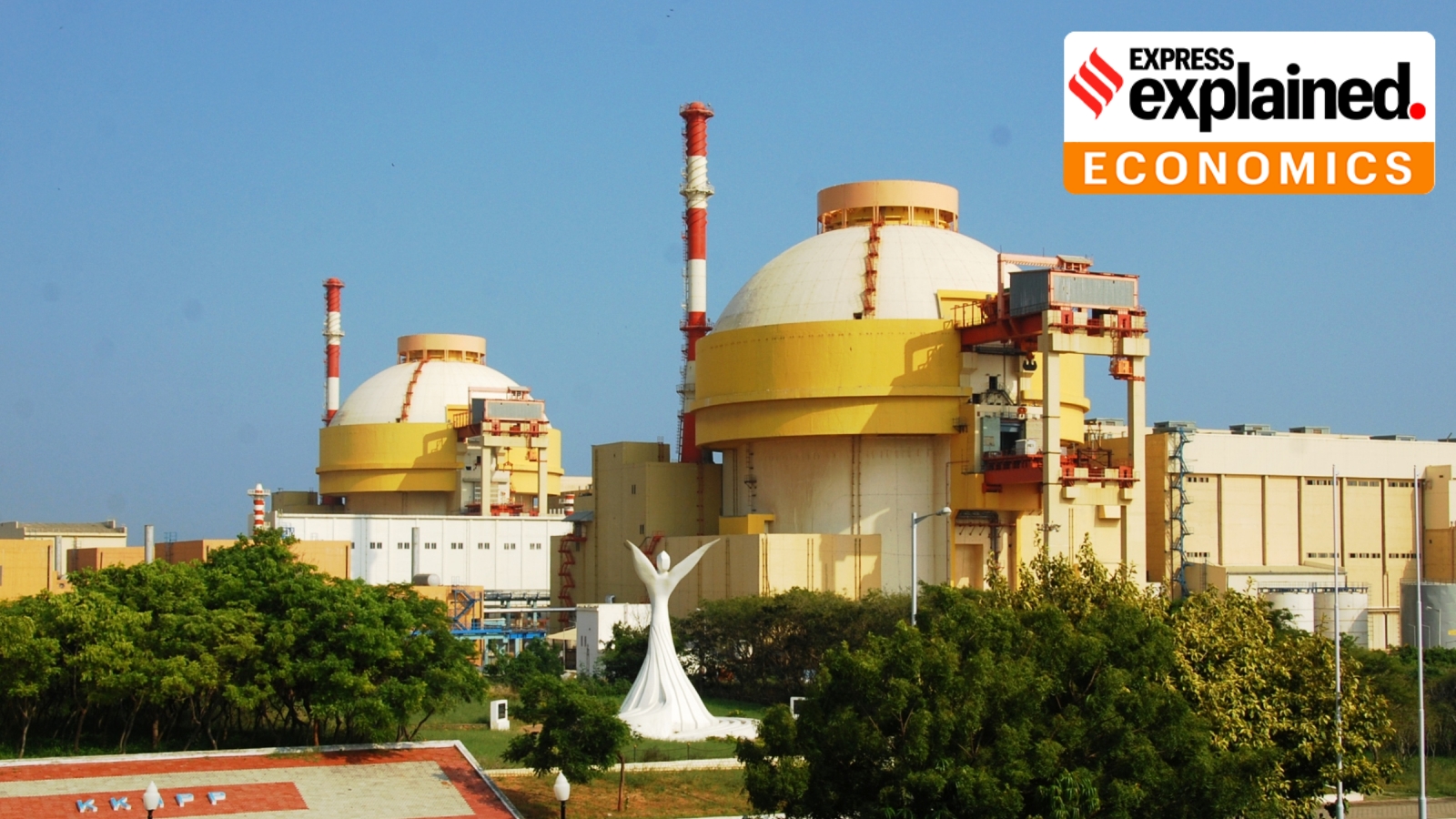
The cost of building four Russian-designed nuclear reactors at the Kudankulam Nuclear Power Plant (KKNP) in Tamil Nadu has risen by nearly 55 per cent from the original sanctioned amount since the outbreak of the Russia-Ukraine war, according to latest government data. The escalation raises questions about the financial viability of India's ambitious nuclear power expansion, even as the country seeks to reduce its reliance on fossil fuels.
KKNP, located in the Tirunelveli district of Tamil Nadu, is one of India's largest nuclear power projects. It comprises six pressurised water reactors of the VVER design, built in technical collaboration with Russia. The first two units – each with a capacity of 1,000 megawatts – are already operational. Units 3 and 4 are under construction and are scheduled to be commissioned by 2027, while Units 5 and 6 are at various stages of progress and are expected to become operational by 2030.
According to data provided by the central government to the Lok Sabha in response to a question, the project cost for the four under-construction reactors has increased from an initial sanctioned amount of Rs 89,470 crore to Rs 1,38,330 crore – a rise of 55 per cent. The increase is not uniform across all units. For Units 3 and 4, the cost has gone up by 72.9 per cent over their original sanctioned cost, while for Units 5 and 6 the rise is 39.9 per cent.
The cost escalation is attributed to supply chain disruptions and delays caused by the ongoing conflict between Russia and Ukraine. Russia is the principal supplier of equipment and technical expertise for these reactors. The war has led to delays in the delivery of critical components, higher freight charges, and increased insurance and financing costs. Additionally, fluctuations in foreign exchange rates have pushed up the rupee-denominated cost of imported equipment.
This development comes at a critical juncture for India's energy policy. The country has set a target of achieving 500 gigawatts of non-fossil fuel-based energy capacity by 2030, and nuclear power is expected to play a significant role in meeting this goal. Presently, nuclear energy contributes about 1.6 per cent to India's total electricity generation, with the government aiming to increase this share substantially in the coming decades.
The rise in project costs could have broader implications for India's clean energy transition. Higher capital costs may make nuclear power less competitive compared to other low-carbon sources such as solar and wind, which have seen significant cost reductions in recent years. It could also affect the economics of future nuclear projects, including the proposed construction of more reactors at Kudankulam and at other sites.
However, nuclear power offers advantages that intermittent renewable sources cannot easily match: it provides reliable, round-the-clock base-load power with low carbon emissions. For a rapidly growing economy like India, ensuring energy security while reducing emissions is a complex balancing act. The government has stated its commitment to expanding nuclear capacity despite the current challenges, and negotiations are ongoing with Russia to address the financial impact of the cost overruns.
Experts note that cost overruns are not unusual in large infrastructure projects, especially those involving imported technology. Yet, the scale of the increase at Kudankulam is significant and warrants careful scrutiny. Transparency in project costing and timely completion will be essential to maintain public trust and to justify the continued investment in nuclear energy.
As India moves forward with its clean energy plans, it will need to weigh the risks and benefits of nuclear power carefully. The Kudankulam experience highlights the vulnerabilities of relying on international partnerships for critical infrastructure. Diversifying sources of nuclear technology, improving domestic manufacturing capabilities, and ensuring robust project management could help mitigate such risks in the future.
In the immediate term, the cost escalation will put renewed focus on the effectiveness of India's nuclear power programme. The government has maintained that the long-term benefits of nuclear energy – in terms of stable power supply and environmental sustainability – outweigh the short-term financial challenges. But the rising price tag raises the stakes for the timely completion of the pending units and for the success of India's broader clean energy transition.