Kejriwal to march to PM's residence against E20 fuel, alleges Trump pressure

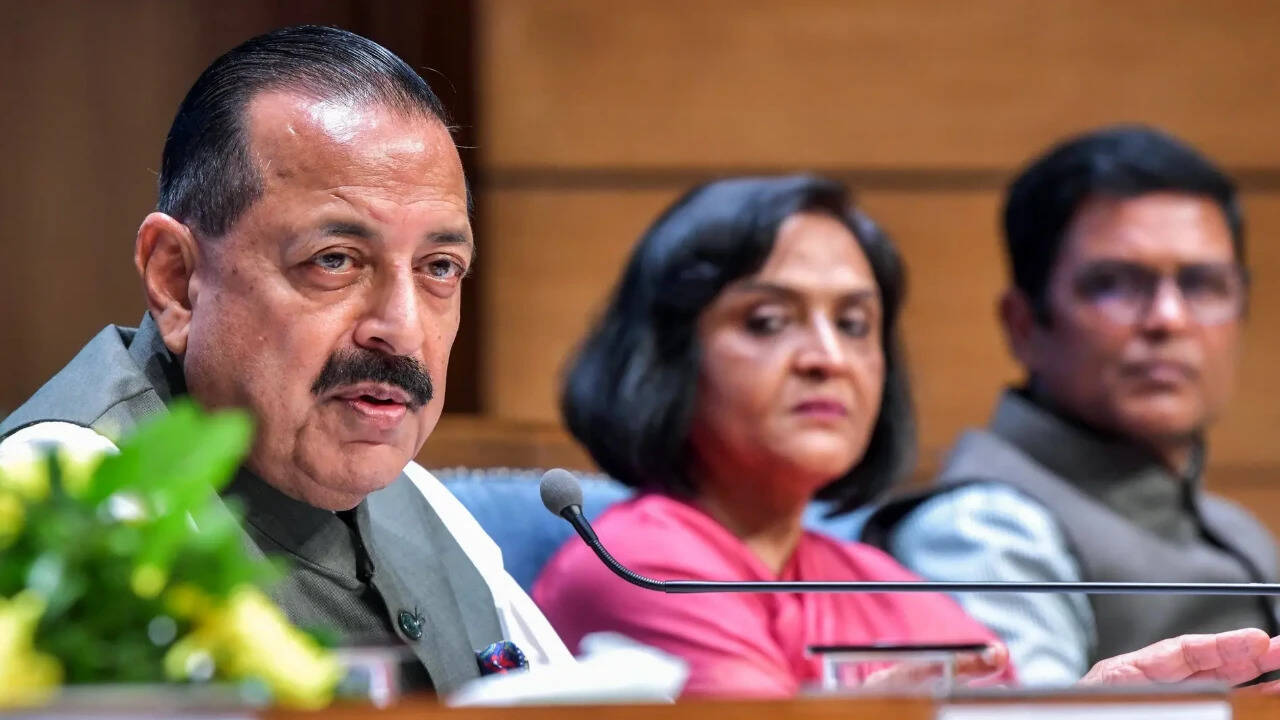
New Delhi, August 3: AAP national convenor Arvind Kejriwal on Monday announced that he would march to Prime Minister Narendra Modi's residence on Tuesday with 100 people to personally submit petitions against the use of E20 petrol. He alleged that the Centre's push for ethanol-blended fuel was influenced by pressure from U.S. President Donald Trump.
Speaking at a press conference, Mr. Kejriwal said the government had "yielded" to Mr. Trump to buy ethanol from the United States. He claimed that despite widespread complaints from vehicle owners, the government was continuing with the policy, which suggested a "hidden agenda".
"I will go to PM's residence tomorrow along with 100 people to personally hand over the petitions signed by the public and discuss issues related to ethanol-blended petrol. People are facing several problems in their vehicles despite all that the government is continuing with this, which means there is a hidden agenda," Mr. Kejriwal said.
He also said that many people believe "PM Modi is under pressure from Trump to buy ethanol from the United States". The AAP leader said he had written to the Prime Minister last month seeking an appointment to discuss concerns over E20 petrol, but had received no response.
In his letter, Mr. Kejriwal had sought the availability of both pure petrol and E20 fuel at petrol stations, and also demanded a reduction in the price of ethanol-blended petrol. He noted that more than two lakh people had signed an online petition launched by the AAP against the policy.
"We did not get any response on the letter, so now we will personally hand over the petition to PM Modi. We had launched a petition campaign against ethanol-blended petrol. More than 2 lakh people have signed this petition," he said.
Mr. Kejriwal also described the 'Ethanol Townhall' organised by the AAP last week as a "huge success", with several people joining virtually to share their grievances.
E20 fuel, a blend of 20% ethanol with petrol, is part of the central government's push to reduce vehicular emissions and cut crude oil imports. The government has said the policy helps farmers and supports energy security. Critics, however, have pointed to potential engine compatibility issues and fuel efficiency concerns. The AAP's campaign comes ahead of assembly elections in some states, where fuel prices are a key political issue.