Kejriwal hits out at Centre's E20 policy, claims ethanol diversion caused sugar shortage
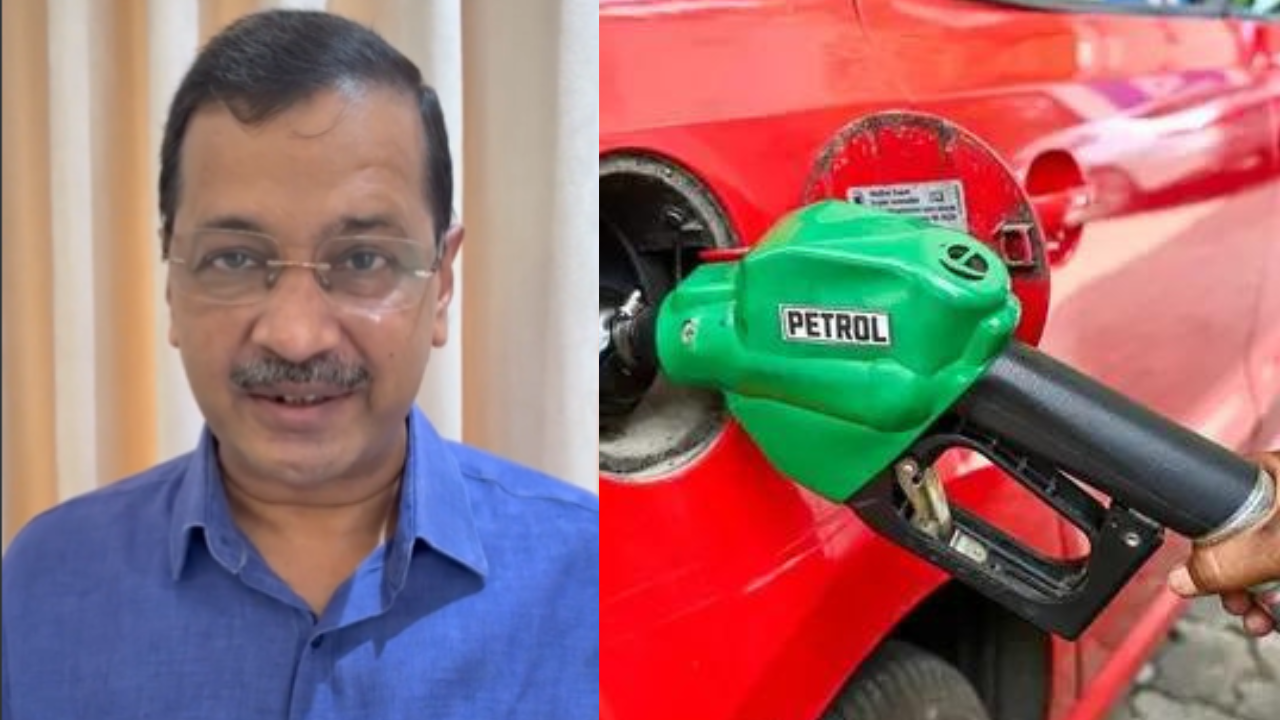
Delhi Chief Minister Arvind Kejriwal has accused the central government of creating an artificial sugar shortage by diverting sugarcane for ethanol production under the E20 fuel blending policy. In a sharp attack, he alleged that the policy has forced India to spend foreign exchange on sugar imports, calling the move 'illiterate governance'.
The E20 policy, announced by the Union government, mandates blending of 20% ethanol with petrol by 2025-26. Ethanol, produced from sugarcane juice and other by-products, is seen as a cleaner alternative to fossil fuels. The government has promoted the policy as a way to reduce crude oil imports and boost farmers' income. However, experts and industry bodies have repeatedly warned that excessive diversion of sugarcane for ethanol could lead to a sugar supply crunch.
India is the world's second-largest sugar producer and also one of the largest consumers. In the 2023-24 sugar season, lower rainfall in key producing states like Maharashtra and Karnataka led to a decline in sugarcane output. At the same time, the government encouraged sugar mills to divert a significant portion of cane juice and molasses towards ethanol production. As a result, sugar production fell short of domestic demand, and India, which normally exports surplus sugar, had to consider imports in early 2024.
Kejriwal's remarks come amid rising retail sugar prices in several states. The Delhi Chief Minister argued that the central government's priority on ethanol blending neglected the basic need of ensuring adequate sugar supply. 'The people are suffering because of this shortsighted policy. On one hand, we are spending foreign exchange to import sugar, and on the other, our farmers are being pushed to produce more cane for ethanol,' he said.
The central government, however, has defended the E20 policy, stating that it is a calibrated approach that balances fuel security with food security. Officials have pointed out that ethanol production is based on surplus sugarcane availability and does not compromise the minimum domestic requirement of sugar. They have also assured that the government is monitoring sugar prices and would take corrective measures if required.
Industry analysts suggest that the current shortage is temporary and may be addressed by a better crop in the 2024-25 season. The Sugar Mills Association has projected higher production next year, which could ease pressure on prices. However, the debate over the trade-off between ethanol blending and sugar availability is likely to continue, especially as the country moves toward higher blending targets.
Political observers view Kejriwal's criticism as part of the ongoing tussle between the Aam Aadmi Party-led Delhi government and the BJP-led central government. The two have been at loggerheads over a range of issues, including control of administrative services in Delhi. The sugar and ethanol issue has now become the latest flashpoint in this political confrontation.
While the government maintains that the E20 policy is in the national interest, the opposition has seized the opportunity to question its economic management. The challenge lies in ensuring that the push for cleaner fuel does not undermine the stability of essential food commodities. As India walks this tightrope, the need for transparent data and careful planning becomes ever more critical.







