Kejriwal alleges government pressure on automakers to silence E20 petrol concerns
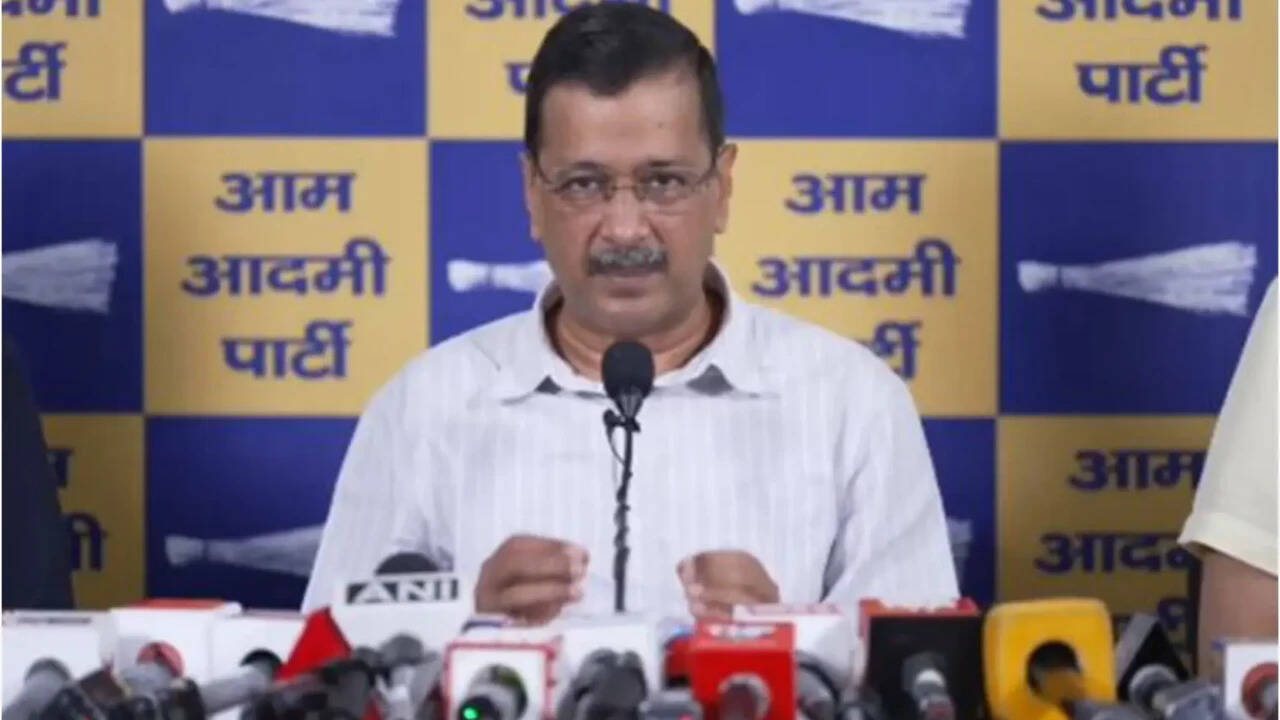
NEW DELHI: Former Delhi Chief Minister and Aam Aadmi Party (AAP) convenor Arvind Kejriwal on Wednesday accused the central government of pressuring automobile manufacturers to remain silent about the potential impact of E20 petrol on vehicles manufactured before 2023. The allegation was rejected by Delhi BJP president Harsh Malhotra, who challenged Kejriwal to produce evidence of vehicles damaged by ethanol-blended fuel.
Addressing a press conference, Kejriwal said he had written to 29 two-wheeler and four-wheeler manufacturers, asking whether E20 petrol can be safely used in pre-2023 vehicles and whether they would compensate consumers if such vehicles suffer damage or reduced fuel efficiency. He claimed that no company responded in writing, but officials from nine companies spoke to him on the phone. Quoting these officials, Kejriwal alleged that using E20 in older vehicles could damage the engine and fuel system and lower fuel efficiency.
Kejriwal further alleged that the central government had warned automobile companies against making such claims publicly, threatening them with action by agencies such as the Enforcement Directorate (ED), Central Bureau of Investigation (CBI), and Income Tax Department. He claimed companies were being pressured to certify that E20 petrol is safe, but that they were reluctant because consumers could seek compensation or replacement of damaged vehicles. Kejriwal argued that the government's decision to mandate E20 petrol could render nearly 30 crore pre-2023 vehicles as scrap.
In response, Delhi BJP chief Harsh Malhotra challenged Kejriwal to provide evidence. “I again challenge Arvind Kejriwal... to publicly bring forward 100 vehicles with mechanic certification that the vehicle has been damaged due to ethanol mixed petrol,” Malhotra said, rejecting the allegations as baseless.
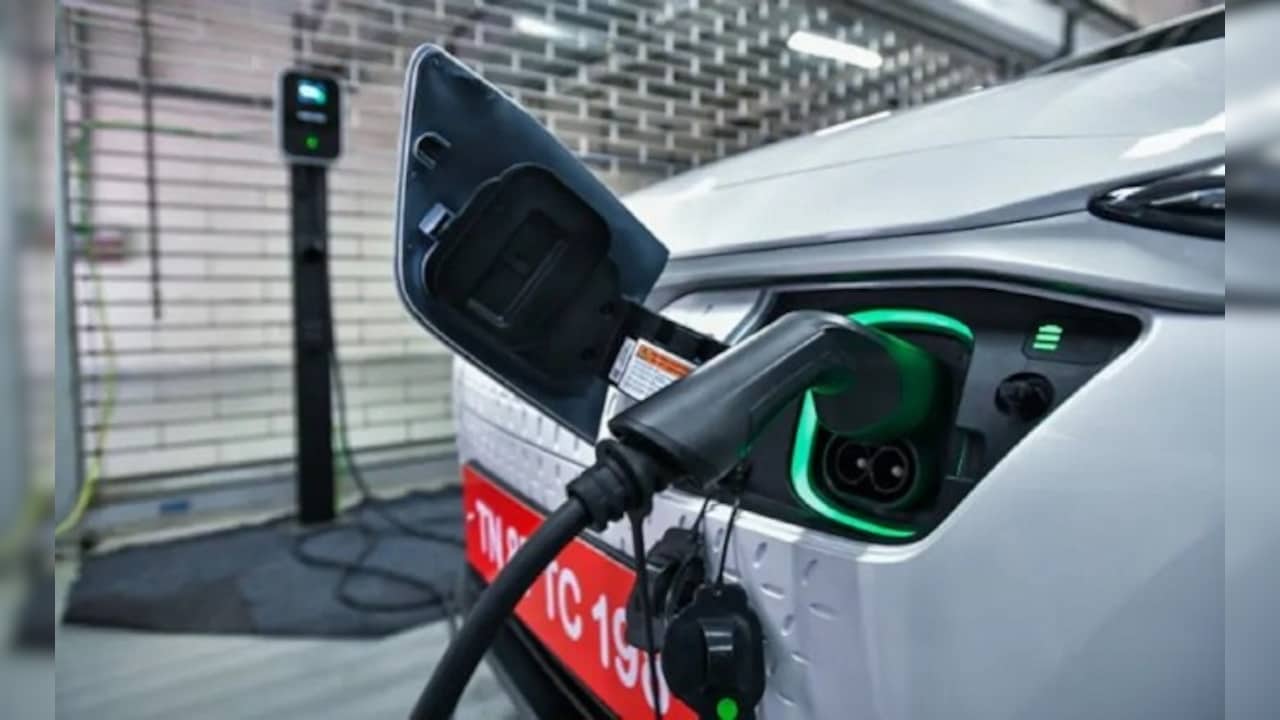
E20 petrol contains 20% ethanol blended with petrol. The Indian government has been promoting ethanol blending to reduce oil imports and cut emissions, with a target of 20% blending by 2025. However, automakers have expressed concerns about the compatibility of E20 with older vehicles, which may require modifications or could face warranty issues. The government has said that vehicles manufactured from 2023 onwards are designed to be E20-compatible.