Kejriwal alleges E20 fuel unsafe for pre-2023 vehicles; claims auto firms silent under pressure
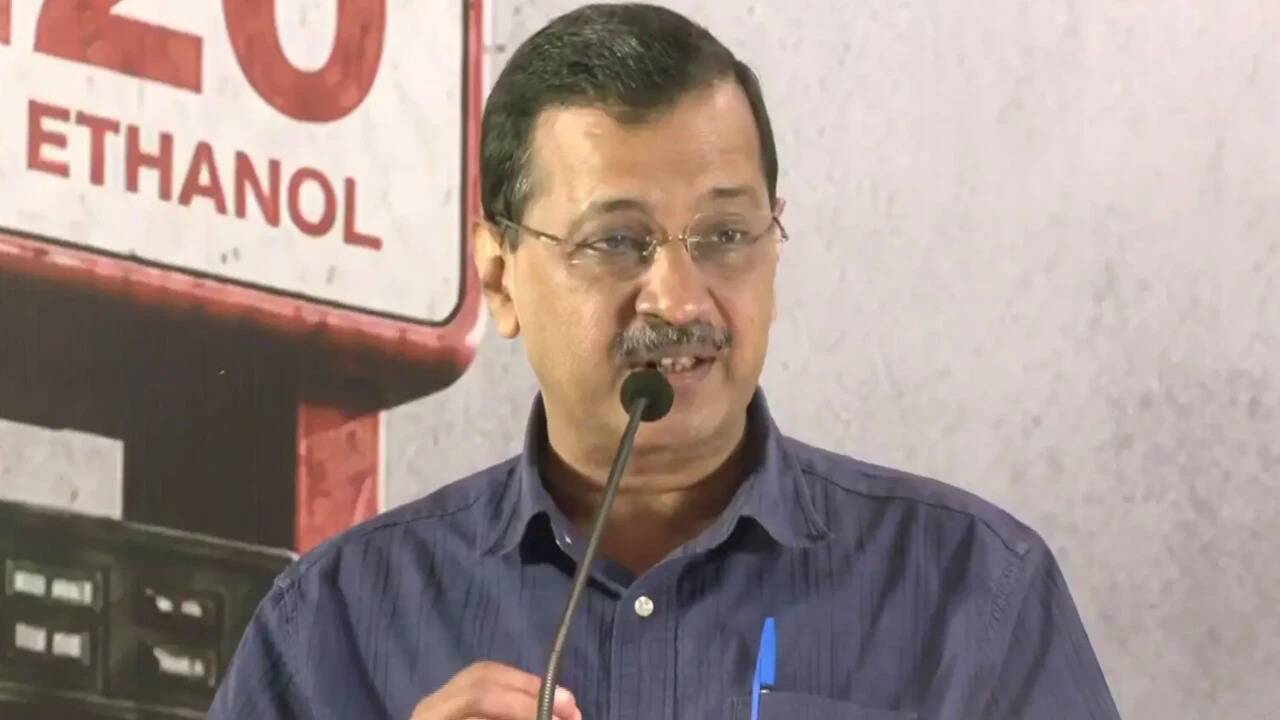
New Delhi: A political row has erupted over the use of E20 petrol, with former Delhi Chief Minister Arvind Kejriwal claiming that the blended fuel could cause significant damage to vehicles manufactured before 2023. Speaking at a press conference in Goa ahead of a town hall meeting, Kejriwal alleged that top executives from leading car and bike companies have privately admitted to the risks, but are refusing to speak publicly for fear of government action.
E20 is a blend of 20% ethanol with petrol, part of the Union government's plan to reduce vehicular emissions and cut oil imports. The fuel is expected to be rolled out across the country by April 2025. While newer vehicles are designed to run on E20, older models may face issues such as corrosion in fuel lines, degradation of rubber seals, and reduced engine efficiency.
Kejriwal, who is also the national convenor of the Aam Aadmi Party (AAP), said that the companies have been "silenced by the fear of raids" and other coercive measures. He did not name any specific manufacturer or provide documented evidence, but urged the government to reconsider the timeline and protect the interests of millions of vehicle owners.
The former chief minister's remarks come at a time when the central government is pushing for a faster adoption of ethanol-blended fuel. Officials have previously maintained that E20 is safe for most vehicles on Indian roads, and that the auto industry has been consulted during the transition. However, owners of pre-2023 vehicles may still face uncertainty regarding warranty coverage and long-term maintenance.
Automobile industry bodies have not yet issued a formal response to Kejriwal's allegations. In the past, manufacturers have expressed cautious support for the ethanol roadmap, while asking for clearer guidelines on retrofitting and consumer awareness. Some experts point out that even if E20 is safe in controlled tests, real-world conditions such as humidity, temperature, and fuel quality can affect performance.
The issue has taken on political significance as the national elections approach, with the AAP seeking to position itself as a defender of the common citizen against corporate and governmental overreach. Kejriwal has also alleged that the Enforcement Directorate and Income Tax department have been used to intimidate business leaders who speak against government policies.
The Union Ministry of Petroleum and Natural Gas has not yet commented on Kejriwal's specific claims. The ministry has earlier stated that the ethanol blending programme is being implemented in phases, with adequate testing and certification. It has also said that petrol pumps will display the ethanol blend percentage, allowing consumers to make informed choices.
For the average vehicle owner, the key question remains whether using E20 will void warranties or lead to expensive repairs. Several auto manufacturers have announced that their vehicles manufactured after April 2023 are E20-compliant, but models older than that may not be covered. Industry analysts suggest that owners of older vehicles should consult their manufacturers before using E20 at the pump.
Meanwhile, Goa, where Kejriwal made the remarks, has a high density of two-wheelers and older cars, many of which are not E20-ready. The town hall meeting is expected to bring consumer concerns to the forefront. Political observers say the issue could resonate with voters in semi-urban and rural areas, where the ability to repair vehicles is limited and replacement costs are significant.
Until the government and manufacturers provide clear, verified information on E20 compatibility, the debate is likely to continue. What remains important is that all parties—regulators, businesses, and political leaders—base their claims on scientific evidence and transparency, so that citizens can make safe and informed decisions.







