Karnataka Medical College Offers Free Government Quota MBBS Seats with 5-Year Bond
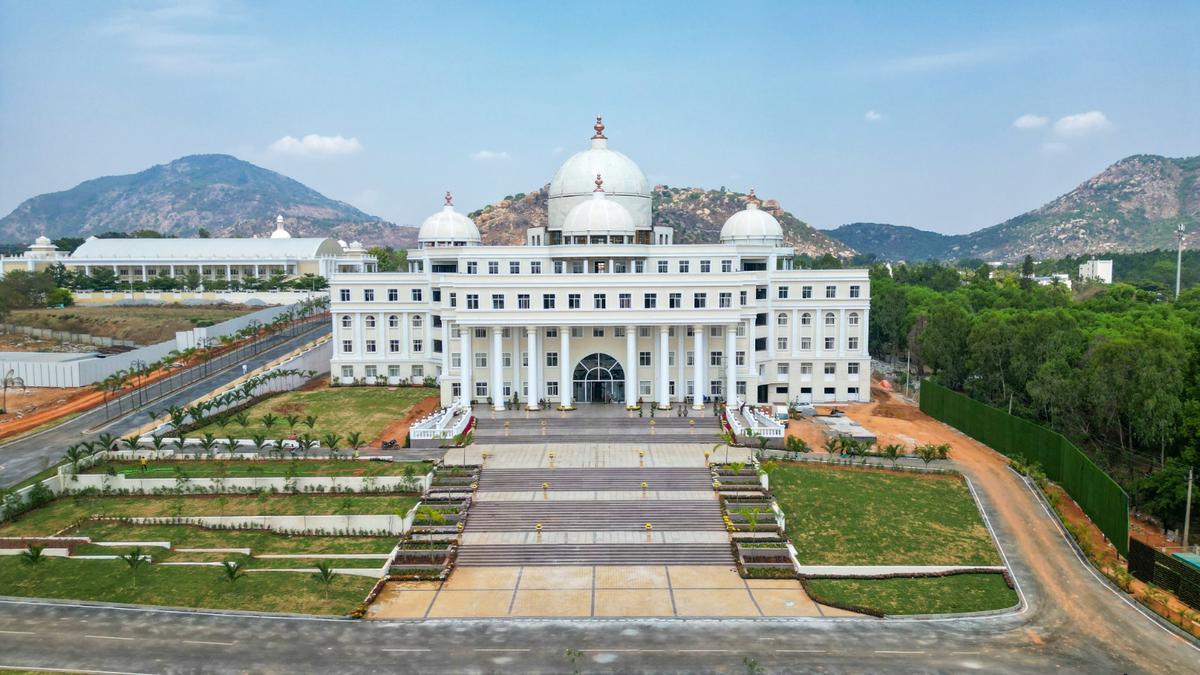
The Karnataka Examinations Authority (KEA) has permitted the Sri Madhusudan Sai Institute of Medical Sciences and Research (SMSIMSR) in Muddenahalli, Chikballapur, to offer free medical education for government quota seats. The decision follows a proposal from the State government, and students who accept these seats will be required to sign an agreement and fulfil a mandatory five-year service condition.
SMSIMSR, which has been permitted by the National Medical Commission (NMC) to offer 100 MBBS seats, has limited its intake to 50 seats for the academic year 2023-24. The NMC permission for 100 seats indicates the institution's capacity, but only 50 seats are being offered this year. According to the seat matrix, 40% (20 seats) are government quota seats and another 40% (20 seats) are private or payment seats, both offered with zero fees. This means a total of 40 out of 50 seats will be free of cost. The remaining 15% (7 seats) are NRI quota and 5% (3 seats) are management quota seats, which will be filled with an annual fee of ₹40 lakh.
Earlier, the SMSIMSR management had decided to offer free medical education to 40% of government quota seats along with 60% of management and other quota seats. The management had also requested the State government to reserve 40% of government quota seats for Karnataka students, including those who completed their qualifying examination from institutions under the Sri Sathya Sai University for Human Excellence or its sponsoring body, through a Special Free of Cost Admission Reservation Policy (SFCARP). However, introducing a separate policy would have taken time, so the government instructed KEA to allow SMSIMSR to offer free medical education under the existing government quota framework for students who opt for the institution along with its conditions.
Ramya S., Executive Director of KEA, said, "On the basis of the government proposal, we allowed SMSIMSR to offer free medical education for government quota seats. We will allot the government quota seats along with roster policy and other criteria. The terms and conditions agreement will be signed by the student."
Students who opt for the free medical education must compulsorily reside in the institution's hostel for the entire duration of the course. They must also serve for five years in any of the free hospitals established by the Sri Sathya Sai University for Human Excellence. During this service period, the university will pay a salary. If a candidate secures a postgraduate (PG) seat in another college, they will be allowed to pursue the course. However, after completing the PG course, whether in the same institution or another, the candidate will have to complete the remaining period of compulsory service in the university's hospitals.
The candidate opting for a seat in the institution need not pay any fee in any form. The seats will be allotted according to the roster policy and other criteria set by KEA. Students who abide by the conditions of the institution can opt for these seats this year.
Medical education in India is highly competitive, and private medical colleges often charge high fees. Government quota seats provide a subsidised option for students. This decision by KEA is expected to benefit students who qualify for the government quota but may not be able to afford the fees otherwise. The service bond is intended to ensure that doctors serve in areas where they are needed most. The five-year service bond is a condition that many medical institutions impose to ensure that doctors serve in rural or underserved areas. In this case, the service will be at hospitals run by the Sri Sathya Sai University for Human Excellence, which are stated to be free hospitals.