Karnataka High Court strikes down 56% quota; Siddaramaiah calls it a 'serious setback'
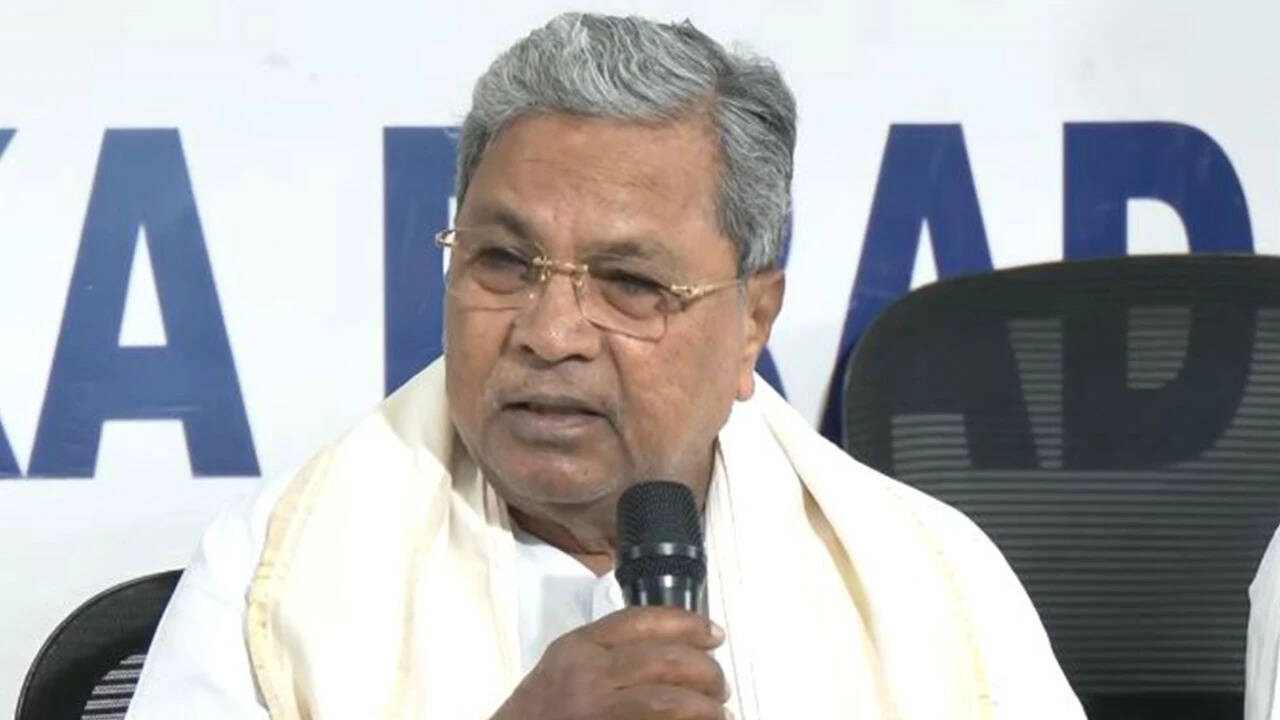
Senior Congress leader Siddaramaiah has described as a "serious setback" a Karnataka High Court order striking down the state's move to raise reservation in education and government employment to 56 per cent.
The order undoes a decision taken by the Siddaramaiah-led state government in 2024 to expand the share set aside for Other Backward Classes, lifting reservation in Karnataka above the 50 per cent ceiling that the Supreme Court has laid down as the general norm.
Before that change, Karnataka reserved 15 per cent of seats and posts for Scheduled Castes, 3 per cent for Scheduled Tribes and 32 per cent for Other Backward Classes — a total of exactly 50 per cent. The 2024 revision increased the OBC share, taking the overall figure to 56 per cent.
The state government said the revision followed a report by the Karnataka State Commission for Backward Classes, headed by Jayaprakash Hegde, which was asked to assess the relative social and educational backwardness of communities in the state. The government's argument has been that treating all Other Backward Classes as a single block did not reflect real differences in backwardness, and that some communities had been left behind.
The 50 per cent limit dates to the Supreme Court's 1992 judgment in Indra Sawhney versus Union of India, in which a nine-judge Constitution Bench held that reservation should not ordinarily exceed half the available seats or posts. The court permitted exceptions only in extraordinary circumstances, and the ceiling has been reaffirmed several times since.
In 2021, a five-judge Constitution Bench struck down Maharashtra's law granting reservation to the Maratha community, holding that it breached the 50 per cent cap. Tamil Nadu remains the best-known exception: its 69 per cent quota, introduced in 1980 and placed in the Ninth Schedule of the Constitution in 1994, has survived challenge because laws listed there are shielded from judicial review on certain grounds.
Reacting to the order, Siddaramaiah said the government would study the judgment in detail before deciding its next step. A state that loses such a case in a High Court can appeal to the Supreme Court, which is the final authority on the interpretation of the Constitution's equality provisions.
The ruling matters to a large number of people in Karnataka. Reservation rules shape admissions to professional courses and recruitment to state government jobs every year, and any change in the ceiling affects tens of thousands of applicants across communities.
Successive governments in Karnataka, as in several other states, have faced persistent demands from communities seeking inclusion in the OBC list, a larger share within it, or separate categories. Balancing those claims against the constitutional ceiling — and against the requirement that backwardness be demonstrated through data rather than assumed — is the central difficulty that courts have repeatedly flagged.
For now, the High Court's order restores the earlier 50 per cent position in Karnataka. The political contest over who gets how much is likely to continue, in the state legislature and, in all probability, in the Supreme Court.







