Karnataka cabinet snub: 'Resignations are part of politics', says DKS as two MLAs quit
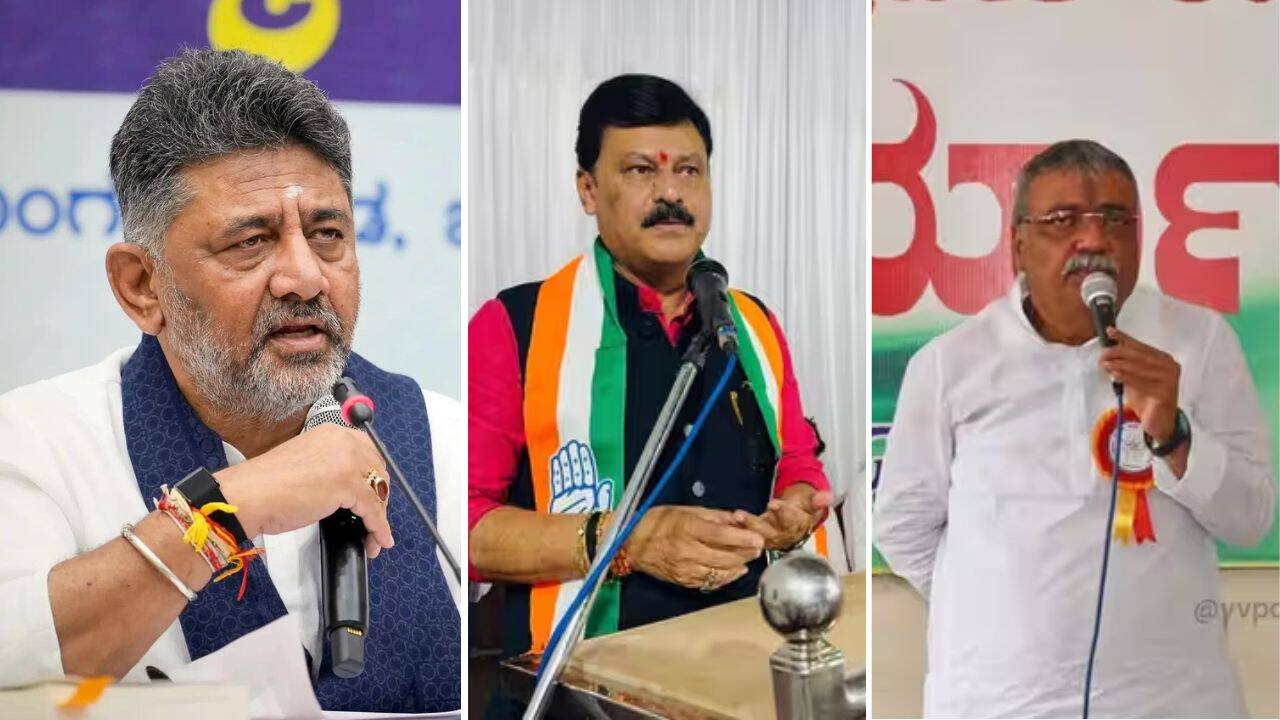
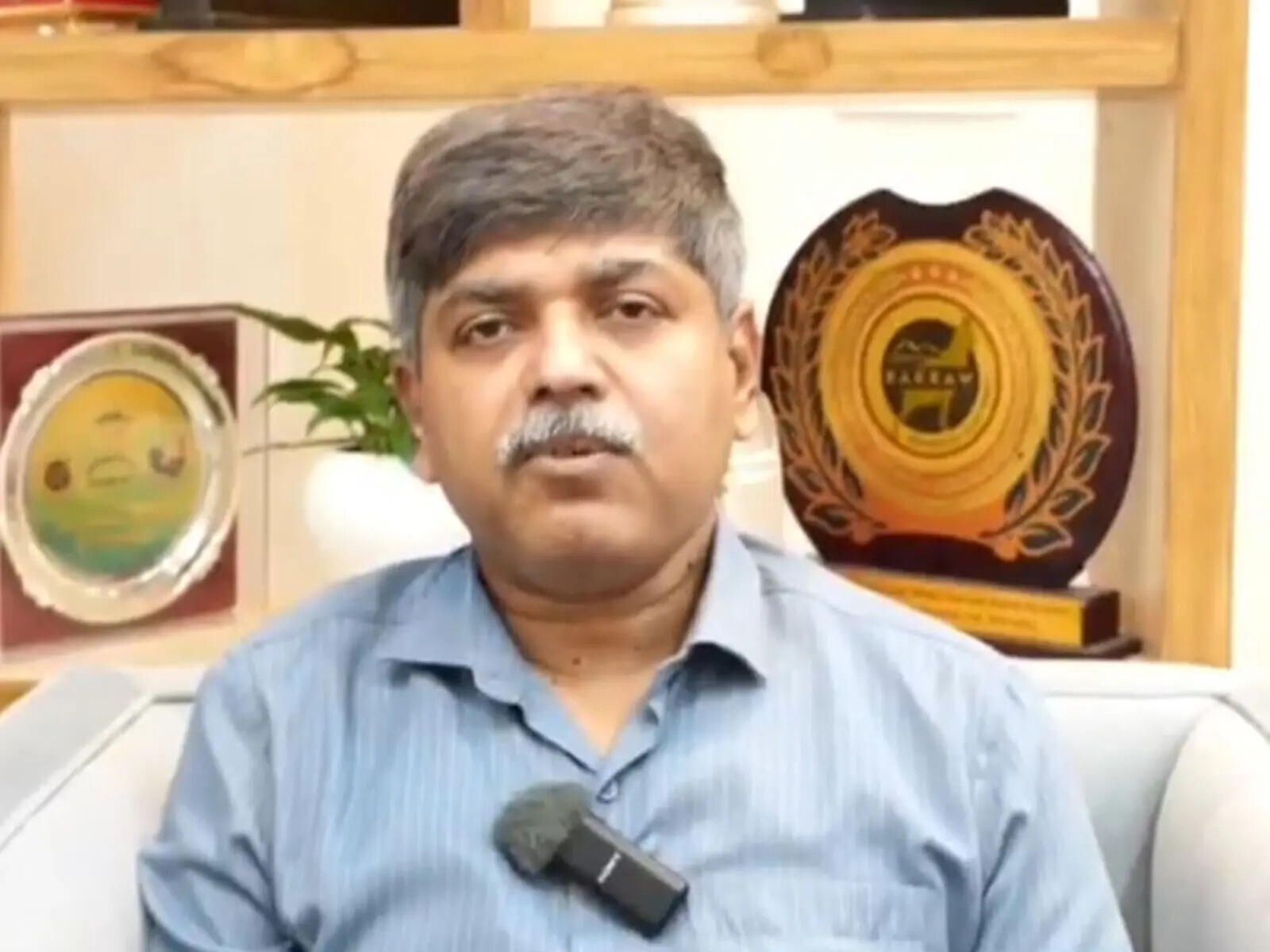
Karnataka Deputy Chief Minister and state Congress president D.K. Shivakumar on Tuesday downplayed the resignation of two Congress MLAs, saying such moves are a routine aspect of political life. The legislators stepped down after being left out of the state cabinet expansion, a development that has added to the Congress's internal challenges in the state.
"Resignations are part of politics," Shivakumar told reporters in Bengaluru. "We are in touch with the MLAs, and we will resolve the issue amicably. The party's doors are always open for dialogue." He did not specify whether the resignations would be accepted, but indicated that the leadership was working to address the grievances.
The two MLAs, whose identities have not been officially disclosed by the party, submitted their resignations to the Assembly Speaker following the cabinet expansion earlier this week. Sources said the lawmakers were upset over being overlooked for ministerial berths despite seniority and regional representation. The expansion included several new faces, which reportedly tipped the balance in favour of certain factions within the ruling coalition.
The incident highlights the delicate balancing act the Congress faces in Karnataka, where caste and regional equations play a significant role in political appointments. The party, which came to power in 2023 with a promise of inclusive governance, has had to manage competing aspirations from various groups and districts. Political analysts note that such friction is not uncommon in coalition politics, but repeated instances could weaken the government's stability.
Shivakumar, known for his crisis-management skills, urged patience among party workers. "No one is unhappy permanently. We understand the aspirations of our leaders and workers. The chief minister and I are personally monitoring the situation," he said. He also stressed that cabinet formation was a collective decision and not a reflection of anyone's contribution to the party.
The resignations come as the Congress gears up for upcoming elections in other states, and the Karnataka unit is seen as a key pillar. The leadership is keen to avoid any public display of discord that could be exploited by opposition parties. The Bharatiya Janata Party (BJP) has already seized the opportunity, with state BJP president B.Y. Vijayendra questioning the Congress's "internal democracy" and alleging that "inflated egos" were hurting governance.
Meanwhile, the two MLAs have remained silent on the issue, but sources close to them say they are determined not to withdraw their resignations unless the party leadership gives them a clear assurance of future ministerial roles or a position in the government. "It is not about power for us, but about respect and recognition of our work," one of the MLAs was quoted as saying in a local news channel.
The Congress high command is likely to intervene soon, with senior leaders scheduled to meet the dissenting legislators in the coming days. Party insiders suggest that a possible solution could involve appointing the MLAs as chairpersons of state-run boards or corporations, a common practice to pacify unhappy lawmakers.
This episode also underscores the challenges of coalition management in a diverse state like Karnataka. While the Congress-led government enjoys a comfortable majority, internal dissent can pose risks to its legislative agenda. The state is slated for local body elections next year, and the party cannot afford prolonged factionalism.
Political observers note that Shivakumar's remarks are aimed at projecting calm and normalising the situation, even as backroom negotiations continue. "In politics, resignations and withdrawals are tactical moves," said M. Veerappa, a retired political science professor. "The party leadership will likely use a mix of persuasion and incentives to resolve this."
As the day progressed, no official statement was issued on the resignations from the Speaker's office, indicating that the proceedings are being handled quietly. The unfolding drama serves as a reminder that in the complex world of Indian politics, a cabinet berth is often more than a portfolio—it is a symbol of political standing and influence.