Justice Varma's Exit: Parliament Removal Motion Effectively Over After Resignation
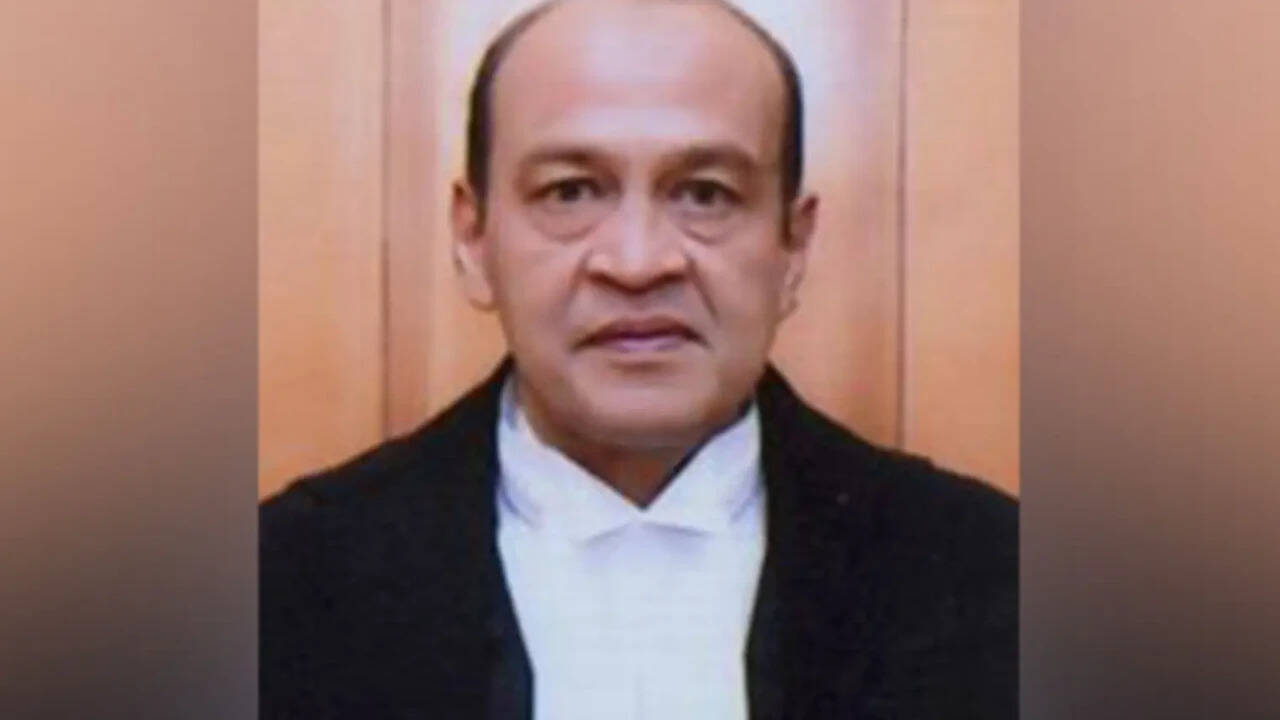
The resignation of Justice Yashwant Varma from the Allahabad High Court has effectively ended the possibility of Parliament proceeding with a motion to remove him, even as an inquiry committee has found proven the charges relating to the discovery of unaccounted currency notes at his official residence.
Justice Varma resigned on April 10 and withdrew from the inquiry proceedings, a move that aligns with the constitutional provision that a judge's resignation takes effect once it reaches the President. Under Article 217(1) of the Constitution, a judge of a High Court ceases to hold office upon resignation in writing addressed to the President.
The question of when a judge's resignation becomes effective was settled by a five-judge bench of the Supreme Court in the 1978 case of Gopal Chandra Misra. The court unanimously held that a judge is deemed to have ceased to be a judge once the resignation is sent to the President. However, in that case, the judge had specified a future date for his resignation to take effect and subsequently withdrew it before that date. The court, by a 4-1 majority, ruled that because the resignation was prospective, the judge had the right to withdraw it.
Justice Varma's resignation, made without any prospective date, is therefore final and cannot be withdrawn. Consequently, the removal motion in the Lok Sabha, which is a mechanism to address misconduct by a sitting judge, becomes irrelevant as he no longer holds judicial office.
The inquiry committee's findings, while significant, do not alter this constitutional reality. The removal process under Articles 124 and 217 is designed for judges who remain in office. Once a judge resigns, the impeachment route is no longer available.
This distinction between resignation and removal is crucial. Resignation is a unilateral act by the judge, while removal is a parliamentary process initiated on grounds of proved misbehaviour or incapacity. In this case, the judge chose to resign, thereby preempting the parliamentary process and bringing the matter to a close.
The Supreme Court's precedent in Gopal Chandra Misra clarified that a resignation, unless it is prospective, cannot be withdrawn once it reaches the President. Since Justice Varma's resignation was immediate, it took effect on the date it was sent, and he ceased to be a judge from that moment.
Thus, while the inquiry committee's findings might have led to a removal motion in the Lok Sabha, the resignation has made that step moot. The parliamentary removal process now has no judicial officer to act against, as Justice Varma is no longer a member of the judiciary.







