Justice Liberhan, Who Probed Babri Masjid Demolition, Passes Away at 87
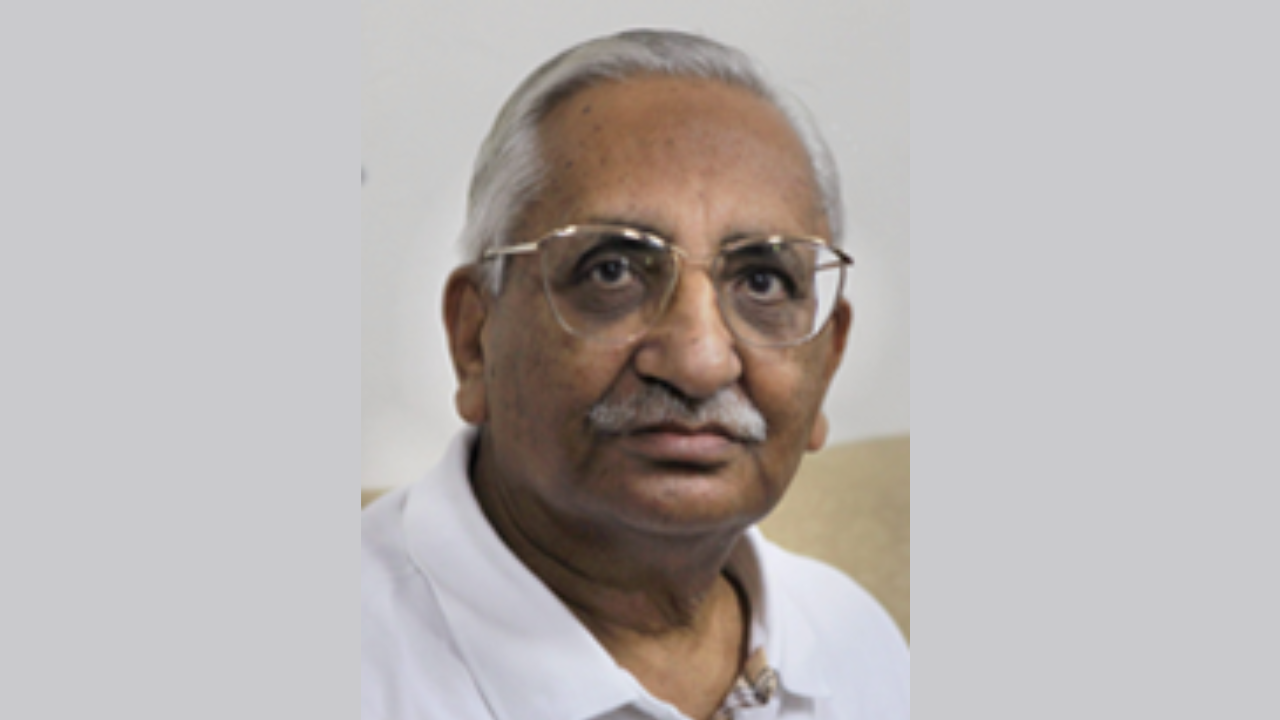
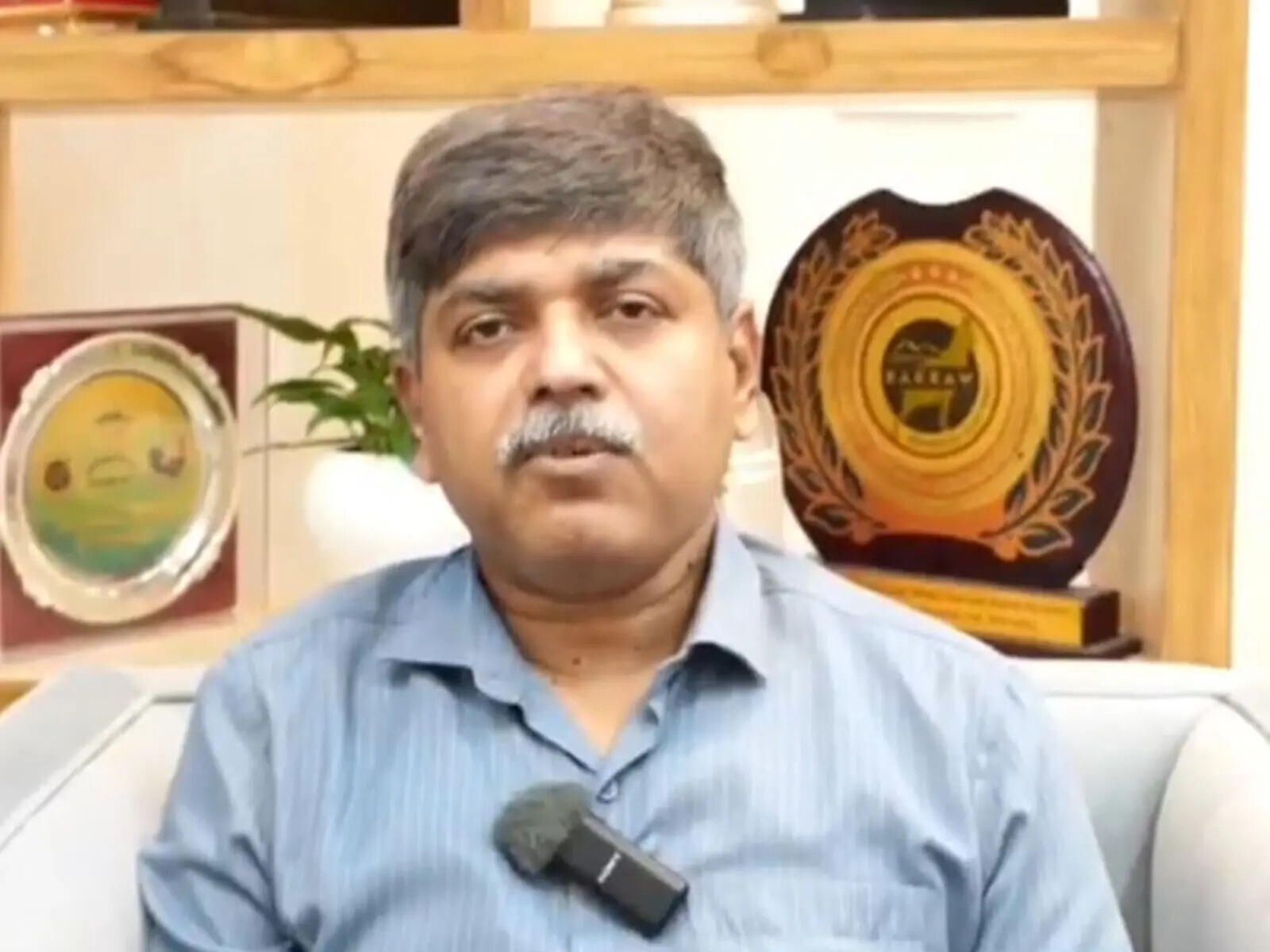
Justice Manmohan Singh Liberhan, the retired Chief Justice of the Andhra Pradesh High Court who headed the one-man commission investigating the demolition of the Babri Masjid in Ayodhya in 1992, died on Sunday in Chandigarh. He was 87.
The Punjab and Haryana High Court Bar Association president, Rohit Sud, confirmed his death. Sud said Justice Liberhan passed away peacefully, and his last rites will be held on Monday. Tributes poured in from legal fraternity members who remembered him as a meticulous jurist known for his integrity.
Justice Liberhan’s most notable assignment came on December 16, 1992, when the central government appointed him to lead the Liberhan Commission. The commission was tasked with investigating the circumstances leading to the demolition of the Babri Masjid on December 6, 1992, an event that deeply impacted India’s secular fabric and triggered communal violence in several parts of the country.
The commission became one of the longest-running inquiries in Indian history, spanning over 17 years. It submitted its report in June 2009 to President Pratibha Patil. The report was later tabled in Parliament on November 24, 2009. While the full text was not made public due to the sensitive nature of its findings, media reports at the time indicated that the commission had indicted several prominent political and religious leaders for their role in the demolition. The report’s recommendations, however, remained largely unimplemented.
Born in 1936, Justice Liberhan began his legal career in 1964 as an advocate at the Punjab and Haryana High Court. His diligence and legal acumen quickly earned him recognition. In August 1970, he was elected to the Punjab and Haryana Bar Council, where he served until February 11, 1987. During his tenure, he also held the position of Bar Council secretary from January 1976 to June 1983, contributing significantly to the legal community.
On February 11, 1987, he was elevated as a judge of the Punjab and Haryana High Court. A decade later, in July 1997, he was appointed Chief Justice of the Madras High Court. He then took over as Chief Justice of the Andhra Pradesh High Court in February 1998. He retired from the bench in 1999, but his judicial legacy continued through the Liberhan Commission, which he pursued with dedication, even after his retirement.
The Babri Masjid demolition itself was a watershed moment in Indian history. The mosque, believed to have been built in the 16th century, was razed by a large crowd of kar sevaks (volunteers) led by right-wing organisations, who sought to build a Ram temple at the disputed site. The event led to nationwide riots and communal polarisation, and it raised serious questions about the rule of law. The Supreme Court later ruled on the land dispute in 2019, clearing the way for the construction of a temple, with an alternate plot for a mosque.
Justice Liberhan’s death has been mourned by colleagues and historians who note that his commission, despite its prolonged timeline, was an earnest attempt to fix accountability when India’s secular institutions were under strain. As the nation remembers his contributions, the debate over the commission’s findings serves as a reminder of the challenges inherent in handling disputed history.
His passing marks a significant moment for the legal community, which has lost a seasoned jurist who spent decades upholding the law. He leaves behind a legacy of dogged perseverance and a commitment to judicial inquiry that transcended his active career.