JNU recruitment row: VC refutes 'fake propaganda' charge, cites 70% reserved-category appointments
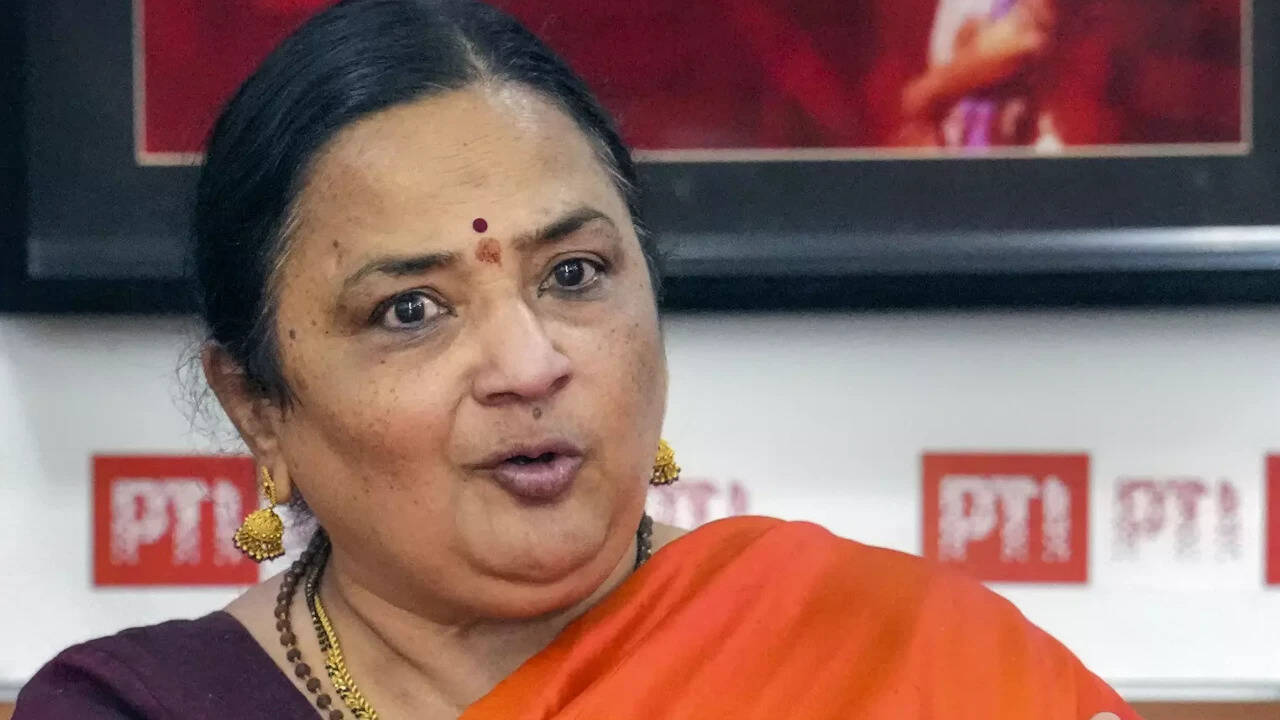
The Vice Chancellor of Jawaharlal Nehru University (JNU) has firmly rejected allegations of irregularities in the institution's faculty recruitment process, dismissing them as "fake propaganda". The university administration, in a detailed response, has sought to set the record straight amid growing scrutiny of its hiring practices.
According to the administration, more than 400 faculty interviews have been conducted and over 200 positions filled since February 2022. The university further claimed that nearly 70 per cent of those appointed belong to reserved and marginalised categories. It also stated that no complaints have been received from candidates regarding the interview process so far.
The administration explained that selection committees are constituted with three domain experts, a nominee of the Visitor (the President of India), the concerned dean, and the Vice Chancellor. This composition, it said, ensures a fair and transparent evaluation of all applicants.
The controversy has been brewing for several weeks, with various student groups and faculty associations raising questions about the transparency of the recruitment drive. Critics have alleged procedural lapses and favouritism in the selection process, though no specific evidence has been made public.
In its rebuttal, the university emphasised that all appointments are made strictly in accordance with the guidelines laid down by the University Grants Commission (UGC) and other statutory bodies. The VC's categorical denial of the charges is seen as an attempt to restore confidence among the academic community and the public at large.
JNU, a premier institution known for its academic rigour and progressive traditions, has often been in the news for administrative and political debates. This latest row has once again brought the focus onto its governance and the challenges of balancing academic excellence with social inclusion.
The administration's response underscores its position that the allegations are baseless and motivated. It has urged critics to come forward with concrete proof instead of resorting to what it terms as propaganda. The university has also expressed its willingness to engage in dialogue to address any genuine grievances.
As the recruitment process continues, the university has reassured stakeholders of its commitment to transparency and accountability. The emphasis, it says, remains on attracting the best academic talent while ensuring due representation for candidates from reserved categories, which is a constitutional mandate.
The onus now shifts to those who have levelled the allegations to substantiate their claims with facts. Until then, the university administration stands firm in its stance that the recruitment process has been conducted with integrity and in accordance with established norms.







