J&K: 10 Alleged Overground Workers Held in Shopian Terror Financing Case
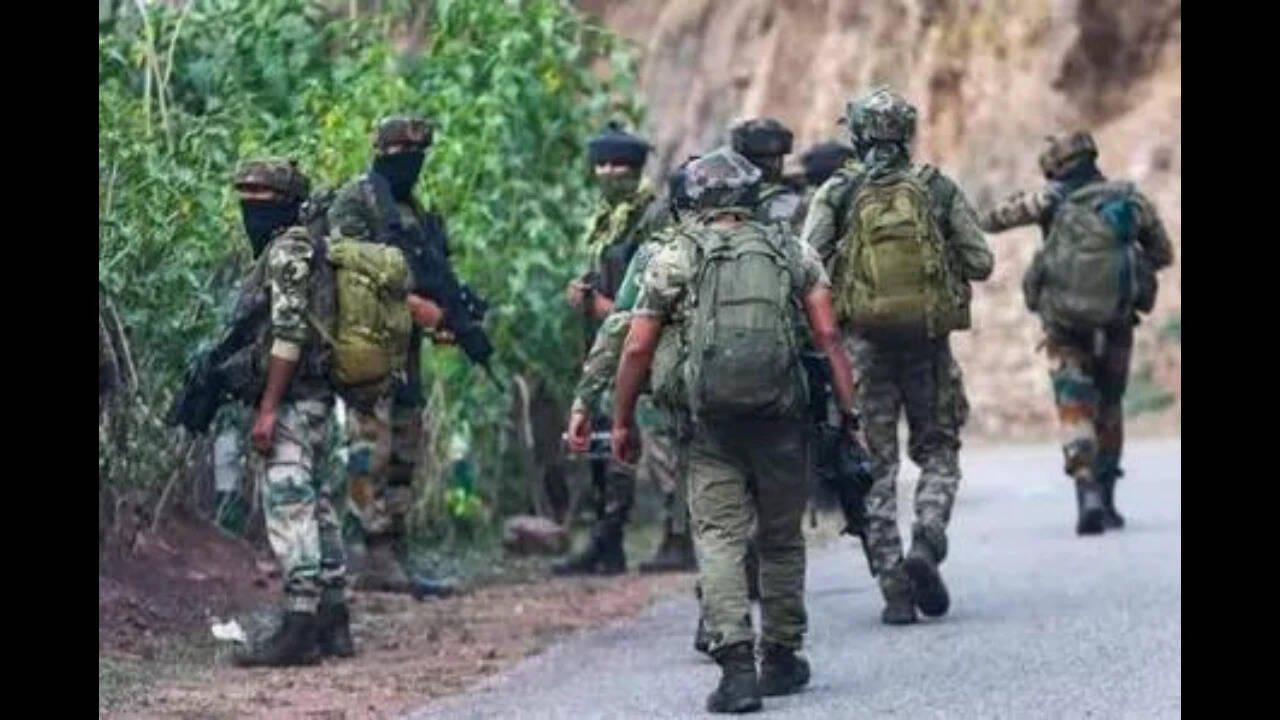
Ten people have been arrested in Jammu and Kashmir's Shopian district in connection with a case relating to the financing of terrorism, according to initial reports. Those held are described by investigators as "overground workers" — a term widely used in Kashmir for people accused of providing logistical, financial or other back-end support to militant groups without directly taking part in violence.
Reports did not immediately specify the names and ages of those arrested, the amounts allegedly involved, the groups they are accused of assisting, the date of the arrests or the agency that carried them out. These details matter, and readers would be well advised to treat the account as provisional until they are formally confirmed by the investigating agency or placed before a court.
The term "overground worker" has no separate definition in Indian statute. It is a policing label, and its use does not by itself establish that a person has committed an offence. Any case against those arrested must be built on evidence admissible under the criminal law, and each accused is entitled to the presumption of innocence until a competent court holds otherwise.
Terror financing is treated seriously by Indian law for a reason. Money is the oxygen of any armed organisation — it pays for weapons, shelter, communications and the upkeep of operatives. Tracing and choking such funding channels is a legitimate function of the state, and it is one that democratic governments everywhere undertake. The Financial Action Task Force, the global standard-setter on anti-money laundering and terror financing, has repeatedly stressed that such investigations must be evidence-led and proportionate, precisely because the consequences for those accused are severe.
In India, cases of this nature are typically investigated under the Unlawful Activities (Prevention) Act and, where money trails are involved, the Prevention of Money Laundering Act. Both laws carry heavy penalties and, in the case of the UAPA, restrictive bail provisions. That makes the quality of the investigation — and the care with which accusations are made — especially important. Blanket labelling of individuals as overground workers, without material to back it, has been criticised in the past by courts and by civil liberties groups, who argue that it can criminalise ordinary association.
Shopian, in south Kashmir, has been among the districts most affected by the conflict over the past three decades. Its residents have lived with crackdowns, encounters, curfews and, more recently, a surge in targeted killings of civilians, including migrants, minorities and government employees. In that environment, public trust in the police and in the fairness of investigations is itself a security asset. Communities that feel arbitrarily treated are less likely to cooperate with the very agencies trying to break financing networks.
For readers, the practical takeaway is this: arrests are the beginning of a legal process, not its conclusion. What will matter is whether the investigating agency files a chargesheet within the mandatory period, whether it produces material evidence before a court, and whether those arrested have access to legal counsel and a fair trial. A single announcement of arrests tells us little about the strength of the case.
This publication will report further verified details — the identities of the accused, the nature of the alleged transactions, and the response of the defence — as and when they are confirmed. Until then, the presumption of innocence applies to all ten.