Japan deploys 'human fridges' as heatwave claims 79 lives
Japan is battling one of its most severe summer heatwaves in recent years, with official figures showing that more than 53,000 people have been treated for heatstroke in the past two months. At least 79 deaths have been linked to the extreme temperatures, prompting authorities and businesses to look for innovative ways to protect the public.
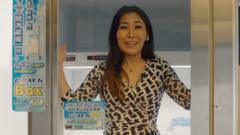
One such solution now appearing in public spaces and commercial premises is the 'Do Hiemon' — roughly translatable as 'The Cooling Box'. This human-sized booth, priced at 1.5 million yen (about $9,400 or £6,970), is designed to offer rapid relief from the heat. The manufacturer describes it as a personal cooling unit inspired by freezer vending machines.
Tetsuya Nakayama, the CEO of the company behind the device, told the BBC that the design was adapted from technology commonly used in vending machines. The booth allows a person to step inside and feel an immediate drop in temperature, offering a safe haven during peak heat hours.
BBC Tokyo correspondent Kurumi Mori had the chance to test the unit. She reported that the interior was noticeably cooler within seconds, and the experience reminded her of stepping into a cold storage room. The booth is being marketed to businesses such as construction sites, stadiums, and outdoor event venues, where workers and visitors are at high risk of heat-related illness.
The rollout comes as Japan's meteorological agency continues to issue heat advisories, particularly in central and southern regions. Cities like Tokyo have recorded temperatures exceeding 35°C for days on end. The elderly and young children are especially vulnerable, and health officials have urged people to stay hydrated and use air conditioning where possible.
While the 'human fridge' is a novel approach, experts caution that it is a supplementary measure rather than a replacement for broader public health strategies. 'It is vital to have accessible cooling points in urban environments,' said a climate health researcher who preferred not to be named. 'But the real answer lies in reducing urban heat islands and curbing greenhouse gas emissions.'
The Japanese government has been under pressure to enhance heat resilience as climate change makes heatwaves more frequent and intense. Neighbouring countries, including South Korea and China, have also reported record temperatures this summer, underscoring a regional challenge.
For now, the cooling booths are a small but visible sign of a society adapting to a warming world. As one Tokyo resident put it, 'If this can save even one life, it is worth it.' The company says it is ramping up production to meet demand, and hopes to export the units to other countries facing extreme heat.
However, the price tag remains a barrier for widespread adoption, and questions linger over the energy consumption of such devices. Environmentalists argue that air-conditioned booths, if powered by fossil fuels, could add to the very problem they are meant to mitigate. The manufacturer, for its part, claims the unit is energy-efficient, though independent verification is yet to be published.
As the summer continues, Japan's heatwave serves as a stark reminder of the urgent need for both short-term relief and long-term climate action.







