Iran Says New Hormuz Shipping Route Agreed with Oman
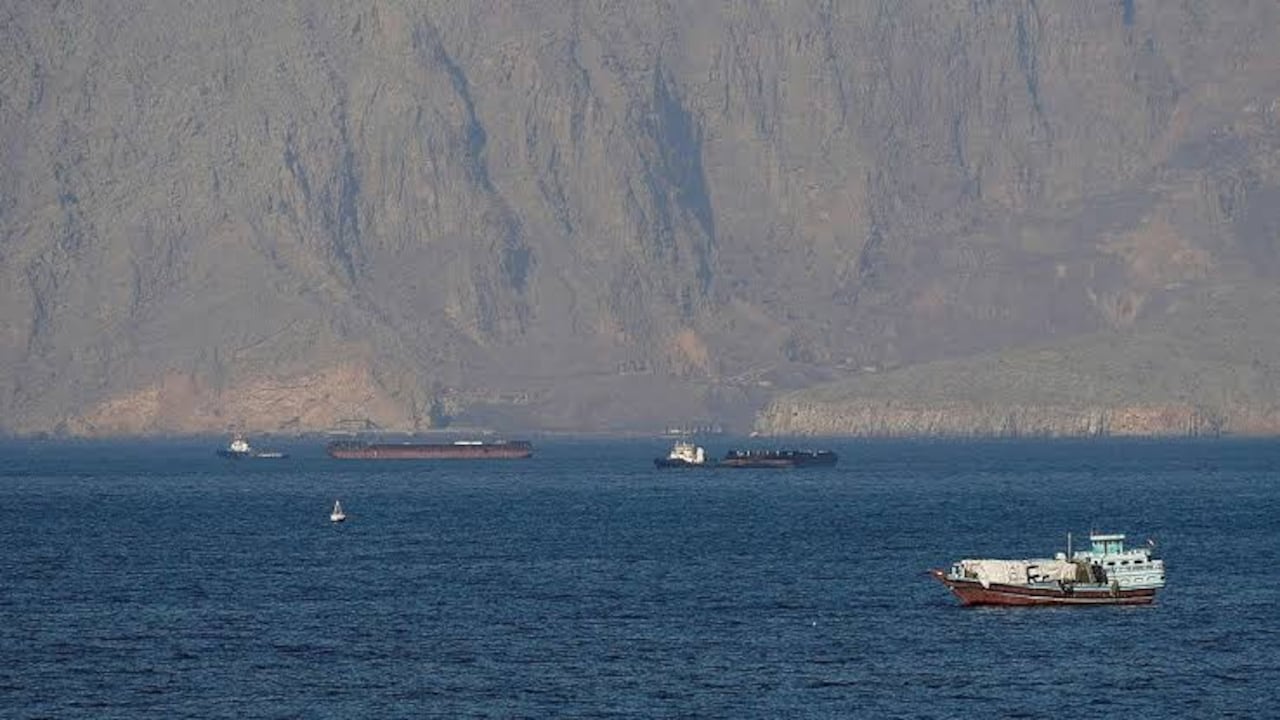
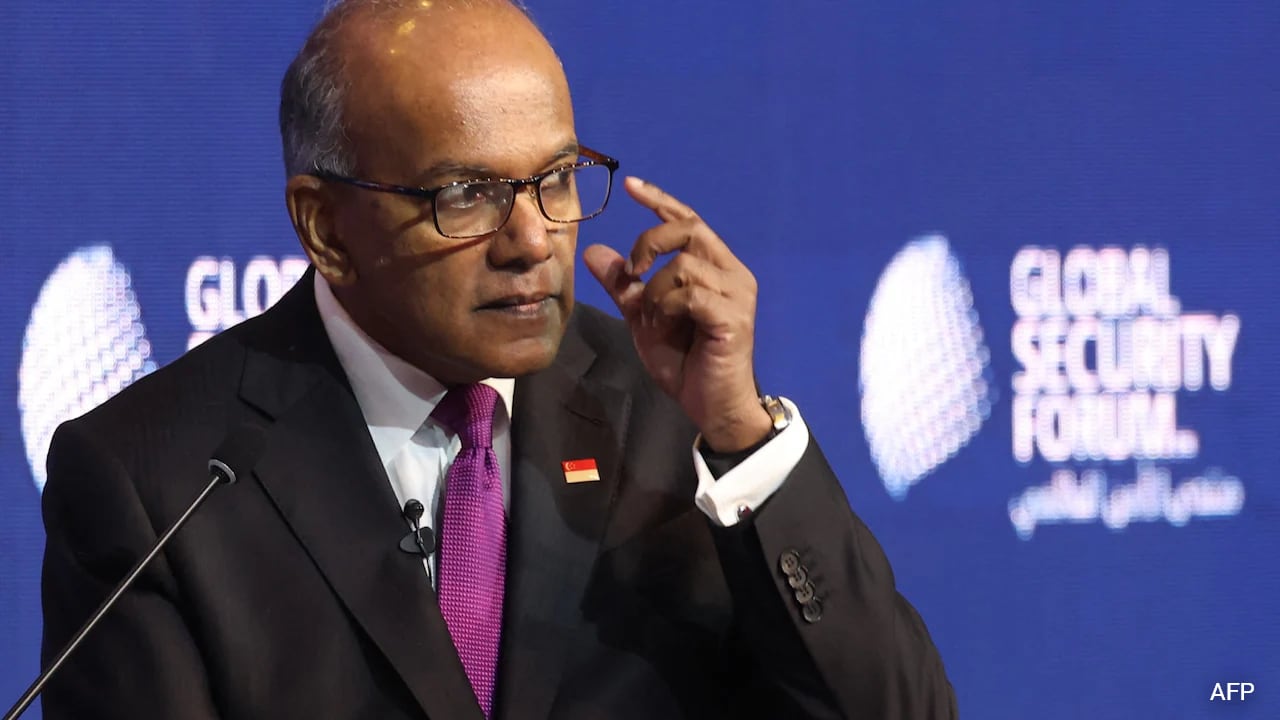
Iran's foreign ministry said on Wednesday that Tehran and Oman have agreed on a new route for ships passing through the Strait of Hormuz, one of the world's most critical waterways for energy transportation. The two countries are now putting the final touches on arrangements to jointly manage the passage, according to foreign ministry spokesperson Esmaeil Baghaei.
Speaking to reporters in Tehran, Baghaei said the geographical coordinates of the proposed route have been agreed upon by both sides. He added that a joint statement containing the main considerations and points of agreement is in the final review and drafting stage, provided that certain third parties do not obstruct the process. His remarks were reported by the state news agency IRNA.
The announcement comes after Iran assumed effective control of the strait following the outbreak of the conflict on February 28. The situation has raised concerns among maritime nations and energy markets, as the strait serves as a transit point for a significant share of the world's oil and liquefied natural gas exports.
Baghaei cautioned, however, that even if an understanding with Oman is reached, it would not mean the strait has become safe for all passing vessels. "The factors making the Strait of Hormuz insecure still exist on the part of the United States, particularly the naval blockade and other aggressive and threatening actions against Iran and its interests," he said.
Before the conflict, the Strait of Hormuz carried around a fifth of the world's oil and LNG exports. Any disruption to shipping through this narrow passage between Iran and Oman has the potential to cause significant volatility in global energy prices, and indeed prices have repeatedly surged since the dispute over the waterway erupted.
The strait is particularly vital for major oil producers like Saudi Arabia, Iraq, and the United Arab Emirates, which rely on it to export their crude. While some pipelines exist that bypass the strait, their capacity is limited, making the waterway nearly irreplaceable for global energy markets.
The repeated surges in energy prices have added economic and political pressure on Washington to find a way to end the standoff. Higher fuel costs have affected economies around the world, prompting concerns about inflation and supply chain disruptions. For the United States, the situation has become a factor in domestic politics as well, with calls for the administration to take decisive action to secure the waterway.
US President Donald Trump has repeatedly asserted that Tehran is keen to negotiate a deal to reopen the strait to shipping. But Iranian officials have time and again denied this, saying they are not interested in talks with Washington. Instead, Tehran says it will work with Oman, its neighbour across the strait, to manage the passage.
Oman has traditionally played a mediating role in regional disputes, maintaining diplomatic channels with both Iran and Western countries. Its geographical position at the mouth of the strait makes it a key partner in any effort to manage maritime traffic. The ongoing talks between Tehran and Muscat are being closely watched by international observers.
The latest remarks from Iran highlight the ongoing friction between Tehran and Washington. While Iran has insisted that its actions are defensive and aimed at protecting its interests, the United States has described them as threats to international navigation and global energy security.
The potential agreement between Iran and Oman, if finalised, could provide a mechanism for restoring some level of normalcy to shipping in the region. However, analysts point out that any new arrangement would require acceptance by other stakeholders, including international naval forces and major oil-importing nations.
Neither Oman nor the United States has yet issued an official response to Iran's latest statement. The situation remains fluid, and the future of the strait will depend on broader diplomatic efforts to resolve the conflict.