India's Sugar Price Surge: Overestimated Output, Not Ethanol, Is the Main Factor
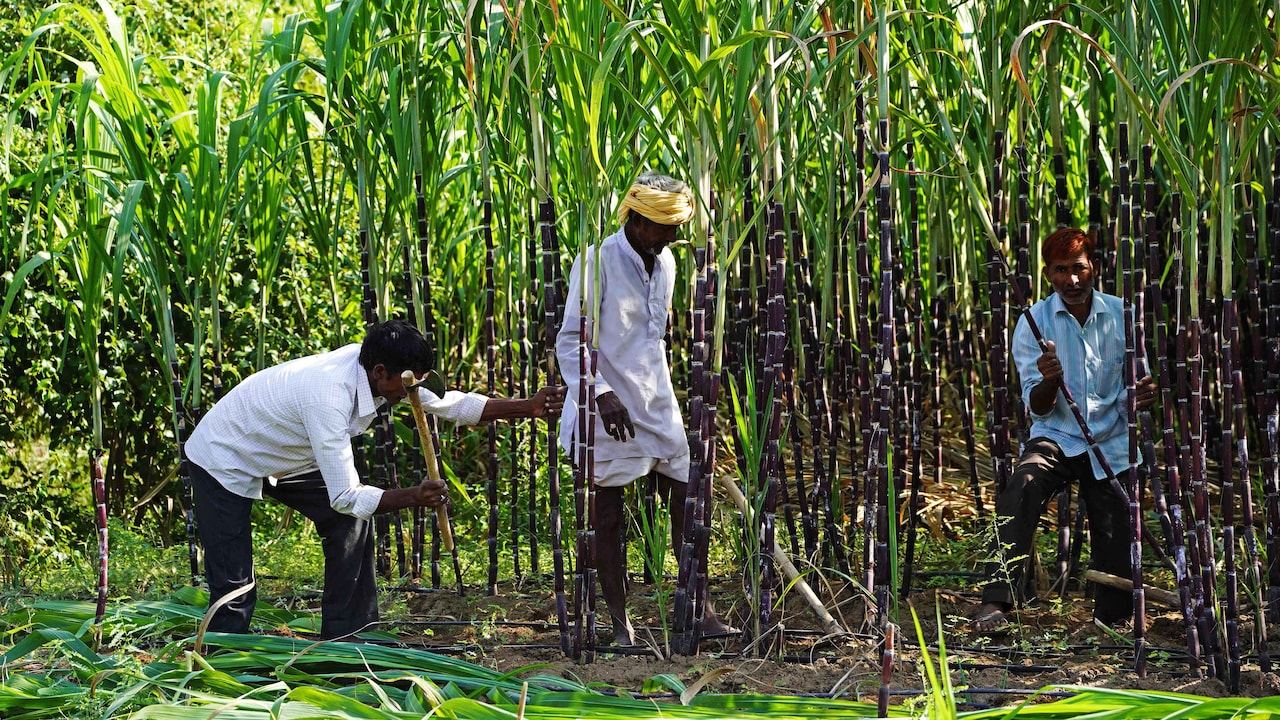
India, the world's second-largest sugar producer, is preparing to import sugar for the first time in a decade, just as domestic prices have climbed 16 per cent in a month. To cool the market, the government has allowed duty-free imports of up to 10 lakh tonnes of raw sugar until October 31. The move raises a key question: how did a country that was exporting sugar less than a year ago end up importing it?
The shift has been swift. In November 2025, the government permitted sugar mills to export 15 lakh tonnes, later raising the quota to 20 lakh tonnes on expectations of a comfortable surplus. But only about 8 lakh tonnes were actually shipped before the government banned exports on May 13 to safeguard domestic supplies. Now, barely months later, imports are being welcomed.
The reason is a sharp downgrade in production estimates. The government now expects output of around 306 lakh metric tonnes for the 2025-26 season, down from an initial estimate of 343 lakh tonnes. Red rot and top borer diseases, along with waterlogging from excessive rainfall, hurt sugarcane yields. Industry projections are even more pessimistic, with net sugar production after ethanol diversion estimated at 279 lakh tonnes. Opening stocks were about 47 lakh tonnes, but after consumption and exports, closing stocks could fall to just 35–39 lakh tonnes—well below the normative buffer of 60 lakh tonnes.
Ethanol has often been blamed for the squeeze, as mills divert sugarcane, juice, or molasses to fuel production instead of sugar. However, the Ministry of Consumer Affairs notes that the share of sugar diverted for ethanol has actually declined from 12 per cent in 2022-23 to about 9 per cent in 2025-26. Moreover, nearly three-fourths of India's ethanol now comes from grains, especially maize. Blaming the entire price rise on the E20 programme would be overly simplistic.
That does not mean ethanol is irrelevant. The blending programme has altered the economics of sugar mills, providing an alternative revenue stream when sugar prices are low. It has helped mills clear dues: by August 20, 97 per cent of cane payments for the 2025-26 season were settled. The real challenge, therefore, is not that ethanol suddenly consumed too much sugar, but that India had to balance multiple competing demands—consumer needs, fuel targets, mill viability, farmer payments, and adequate reserves for the next season—all at once.
The deeper issue appears to be a failure of forecasting. When export quotas were set, policymakers relied on initial production estimates that proved far too optimistic. The Indian Sugar & Bio-energy Manufacturers Association first projected 34.9 million tonnes, but the All India Sugar Trade Association later slashed that to 28.3 million tonnes. Former Agriculture Secretary Siraj Hussain has questioned the reliability of such forecasts, noting that decisions were made with faulty data.
As India opens its doors to imports, the episode highlights the need for more accurate crop assessments and a cautious approach to export policy. For consumers, the hope is that duty-free imports will ease prices in the coming weeks. For policymakers, the lesson is that overestimation—not a single factor like ethanol—can lead to a sudden reversal from exporter to importer.







