India's Solar Boom: From Power Deficit to Surplus Management
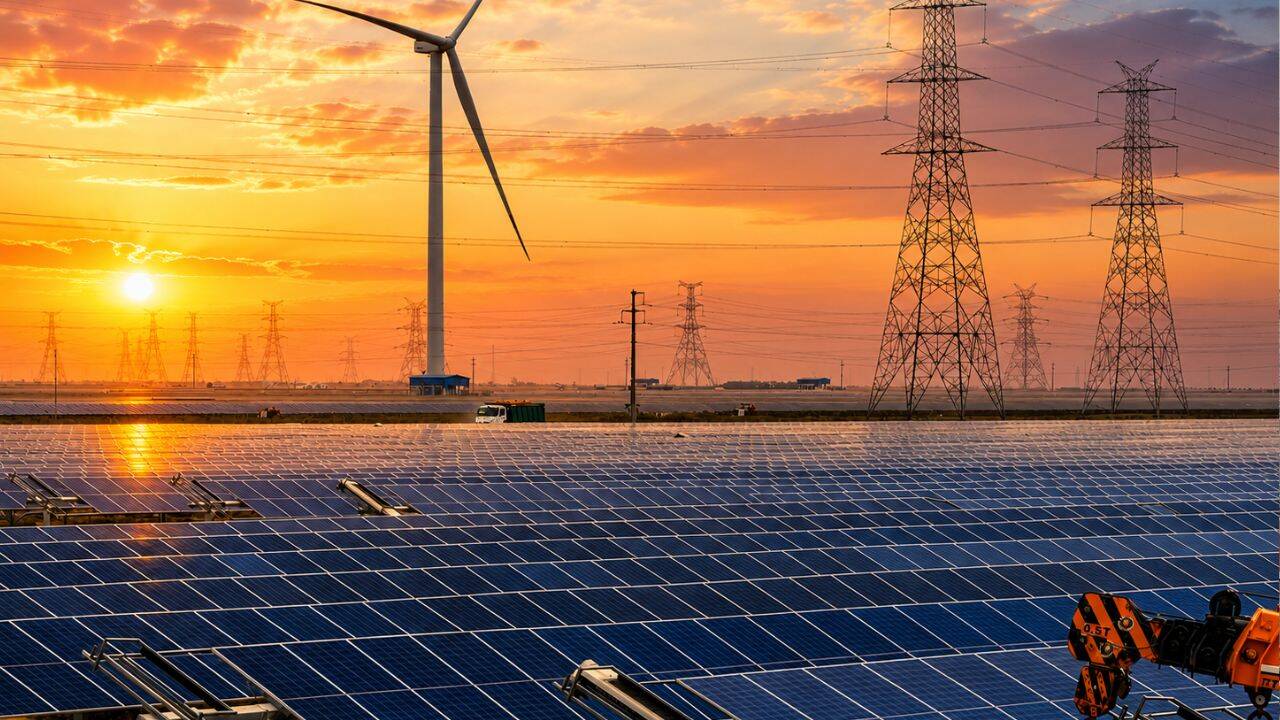
India's solar energy sector has reached a significant milestone: generation capacity has grown so rapidly that the challenge is no longer about producing enough power, but about managing the surplus. The country's solar installations have surged, driven by falling costs and government targets, leading to periods of oversupply that strain the grid.
According to recent data from the Ministry of New and Renewable Energy, India's solar capacity has crossed 70 GW, making it one of the world's top solar producers. However, this success has created a new problem: during peak sunlight hours, solar generation often exceeds demand, forcing grid operators to curtail output or seek storage solutions.
Experts point out that the existing infrastructure, including transmission lines and battery storage, is not yet equipped to handle these fluctuations. "We need to invest heavily in grid modernization and energy storage to fully utilize this clean energy," said a senior official at the Central Electricity Authority.
To address this, the government is promoting pumped hydro storage, battery projects, and green hydrogen production as ways to absorb excess power. The National Hydrogen Mission aims to use surplus solar electricity for hydrogen production, which can be stored and used later.
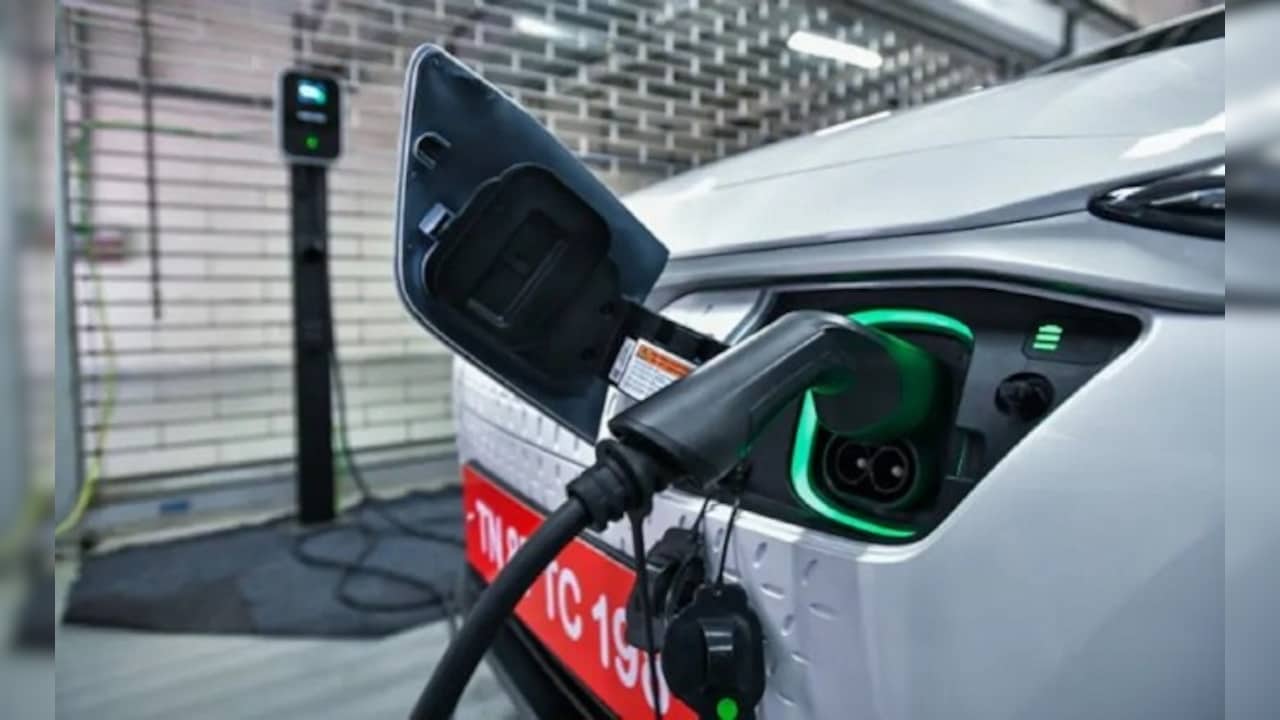
Another approach is to expand the grid's flexibility through smart meters and demand-side management, encouraging consumers to use power during sunny hours when it's abundant and cheaper. Some states have already introduced time-of-day tariffs to incentivize daytime consumption.
The shift from a generation deficit to surplus marks a pivotal moment for India's energy transition. But without urgent upgrades to the grid and storage capacity, the country risks wasting its solar potential. The challenge now is not just to generate clean power, but to manage it efficiently.