India’s freeze on Indus Waters Treaty: One year on, what has changed?
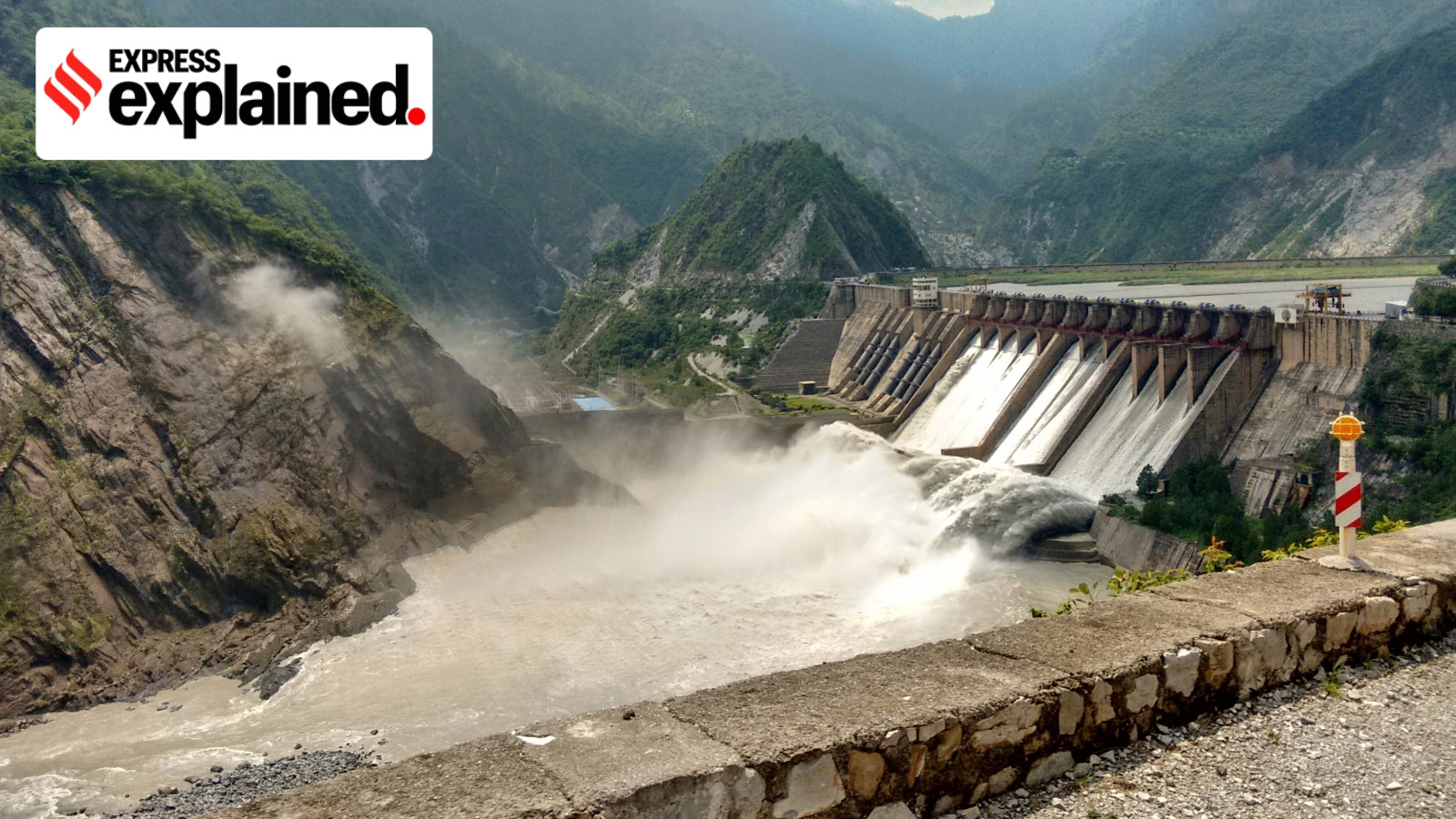
It has been over a year since India placed the Indus Waters Treaty in abeyance following the Pahalgam terror attack in April 2025. The decision, announced by the Cabinet Committee on Security, linked the treaty's suspension to Pakistan's continued support for cross-border terrorism. Now, New Delhi is reassessing its strategy as tensions over water security escalate.
Pakistan has responded aggressively. In recent weeks, its government organised a seminar in Islamabad featuring civilian leaders, climate experts and civil-military officials to discuss what it calls India's “weaponisation of the Indus waters”. Defence Minister Khawaja Asif warned that Pakistan would not hesitate to go to war if its water security is breached. The military, under General Asim Munir, issued a formal statement on July 6 signalling readiness to act.
India maintains it has adhered to the treaty for six decades, even during wars and crises, while Pakistan pursued cross-border terrorism. New Delhi argues that no agreement can remain insulated from persistent hostility. Indian officials also point to Pakistan's consistent obstruction of Indian projects on the Western Rivers — which are allocated to Pakistan — regardless of their size or design.
The dispute resolution mechanism, meant for genuine differences, has been used to delay Indian projects, officials say. India’s stance that “water and blood cannot flow together” is often seen as directed at domestic audiences, weakening its international argument. Pakistan, as the lower riparian, portrays itself as a victim, gaining sympathy globally.
Hydrological realities have also shifted since the treaty was signed in 1960. India's population has surged, raising demand for drinking water, irrigation and industrial use. States like Punjab, Haryana and Rajasthan face growing water stress. Groundwater levels are declining, making surface water utilisation urgent. Meanwhile, flows in the Eastern Rivers (for India) have decreased, while Western Rivers (for Pakistan) have not declined comparably. Climate change adds variability, requiring modern flood moderation, drought resilience and adaptive reservoir operations.
Engineering advancements — such as gated spillways, sediment management and flexible reservoir operations — were unavailable in 1960. India argues it needs these for dam safety and sustainability, but the treaty's rigid provisions hinder modernisation.
As India evaluates its next steps, the core question remains: can a water-sharing agreement survive when one party sponsors cross-border terrorism? New Delhi is likely to push for renegotiation or seek a permanent solution that addresses both contemporary hydrology and security concerns.