India's Data Centre Expansion: $300 Billion Investments to Drive Fourfold Growth by 2030
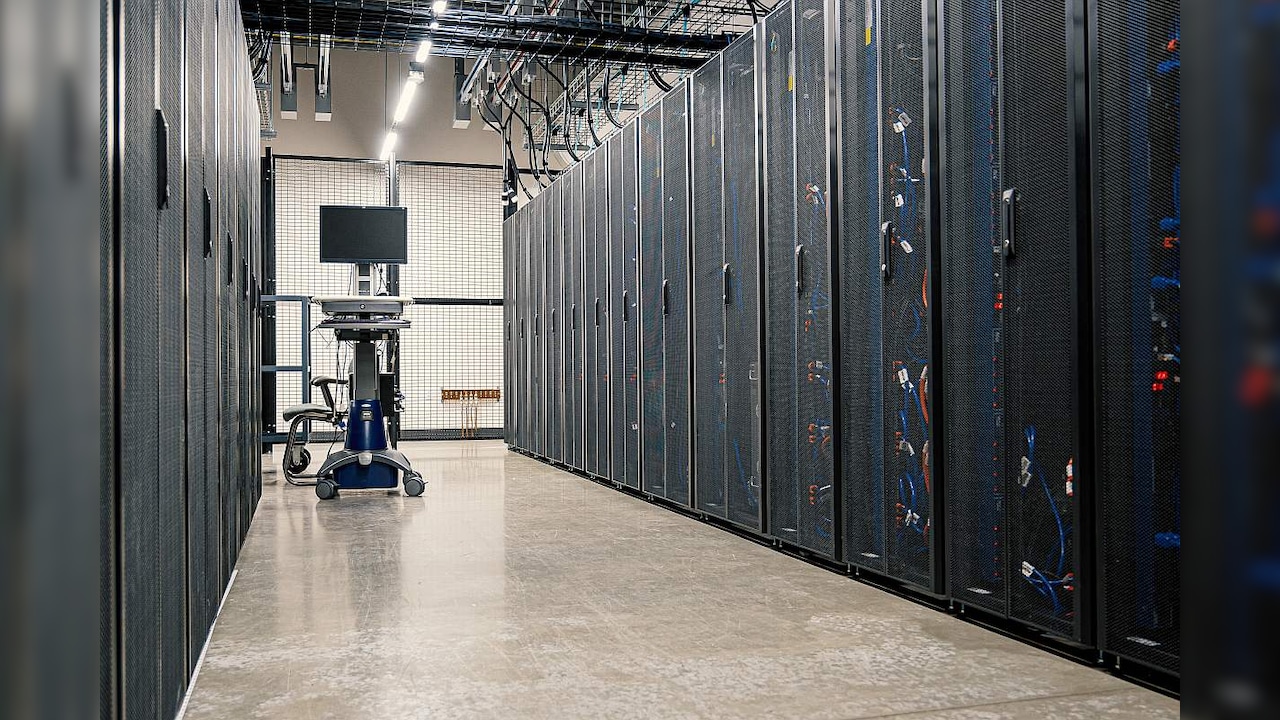
India's data centre sector is on the cusp of a major expansion. A new report by Anarock Capital projects that the country's data centre footprint will exceed 101 million square feet by 2030, a fourfold increase from the current level of nearly 27 million square feet. The sector has grown from a mere 0.6 million square feet in 2007 to become a critical component of India's digital infrastructure.
More than $300 billion in investment commitments are expected to fuel this growth. However, developing a data centre requires more than just land. It demands reliable power, water, connectivity, cooling, and increasingly, access to renewable energy. These requirements shape where and how data centres can be built.
For developers, data centres compete with traditional real estate such as homes, offices, and malls. Binitha Dalal, Founder and Managing Director of Mt K Kapital, notes that India does not yet have dedicated land categories for data centres. "There are no dedicated data centre lands; in India it is still an upcoming asset class," she said. Developers must weigh the returns from a data centre against what the same land could yield as residential or commercial projects.
Data centres require locations with robust municipal water networks and reliable electrical grids. They cannot simply be relegated to the outskirts merely because land is cheaper. They also need access to skilled teams for maintenance. Dalal pointed out that, in many cases, traditional real estate may still offer better margins. "As a pure play, data centres are not something where developers will make the margins they would normally make in any other asset class," she said.
However, in areas where data centres are already established and approved for hyperscale operators, land can command a premium over agricultural, residential, or commercial use. This is creating a new layer to India's land market, where the value of land is increasingly tied to its ability to support digital infrastructure.
The biggest driver of this demand is artificial intelligence. Anarock expects AI to be a major catalyst for data centre growth. AI workloads require significantly more computing power, storage, and energy than conventional digital services. But Gurleen Khurana, Co-Founder of SimplifyGenAI, highlights a less-discussed aspect: the consumption side. "Enterprise AI is moving from pilots to production, and production workloads never switch off," she said.
The distinction between AI training and inference is crucial. Training involves massive computing power to build models, while inference occurs every time an AI model responds to a user, generates an image, or processes a conversation. Inference workloads are numerous and continuous, requiring capacity closer to users to minimise latency. Energy efficiency is also vital, as these workloads operate around the clock.
As India's digital economy grows, the demand for data centres will continue to rise. The sector's expansion will depend on overcoming infrastructure challenges and balancing land use priorities. With the right planning and investment, data centres can become a cornerstone of the nation's technological future.







