India's Artisanal Cheese Wave: From Fridge Caves to Gourmet Tables
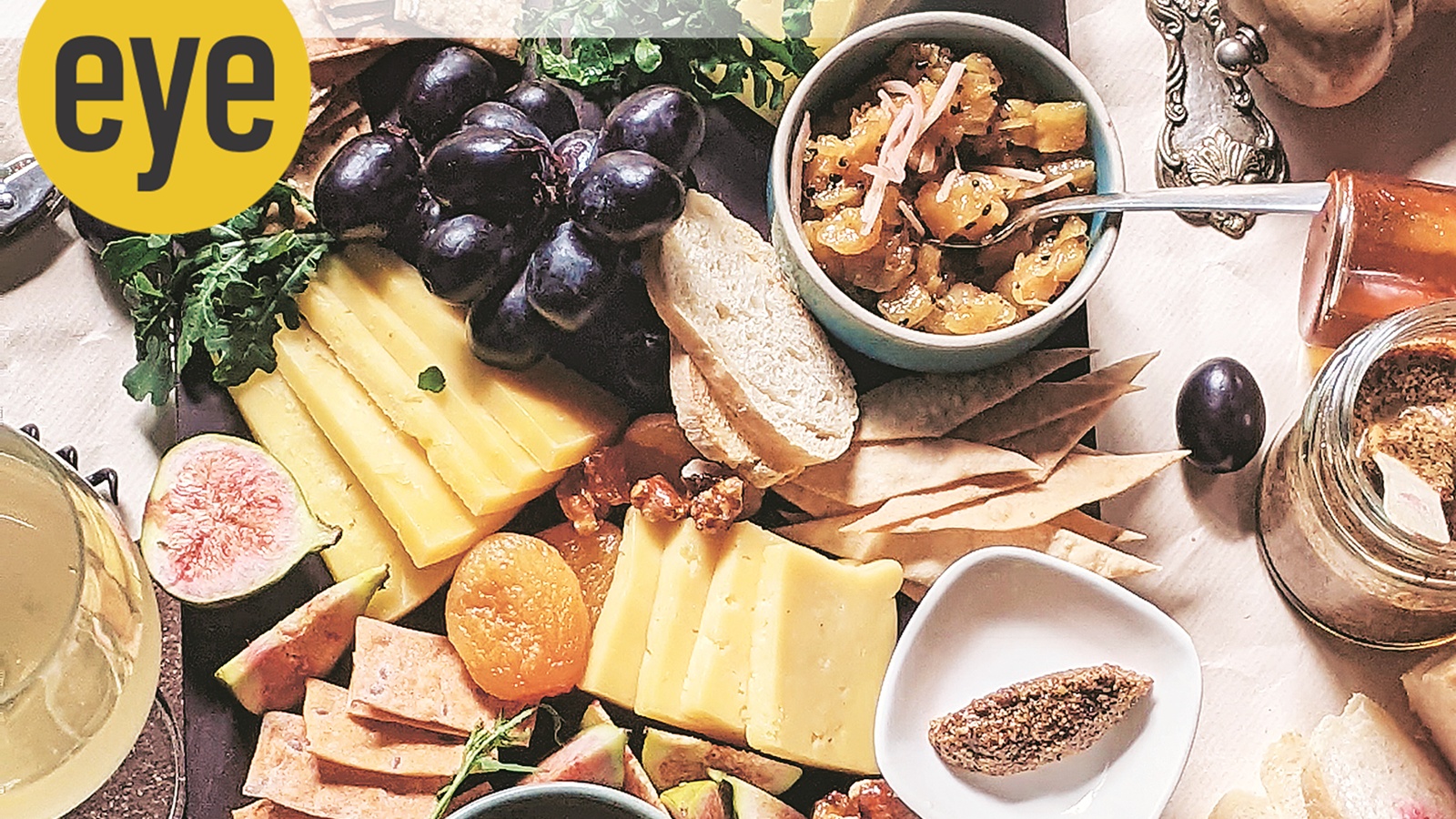
In a bedroom in Mulund, Mumbai, Mausam Narang transformed an ordinary fridge into a cheese cave, carefully adjusting the thermostat to 13°C and monitoring humidity. On weekends, she made cheese; on weekdays, she commuted to a corporate job. At its peak, her fridge aged 25 varieties, filling the room with the unmistakable scent of mould. Narang is part of a small but growing community of artisanal cheese makers in India, a country that is the world's largest producer and consumer of dairy.
Until a decade ago, cheese in most Indian households meant processed slices or cubes. Today, a constellation of makers — including Eleftheria and The Cheese Collective in Mumbai, Begum Victoria in Bengaluru, and Amiksa in the hills above Shimla — produce brie, burrata, gouda, feta, and smoked cheddar using Indian milk. This shift reflects broader changes in consumer tastes and the overcoming of historical barriers to cheese-making in India.
To understand why artisanal cheese is flourishing now, one must consider why it barely existed before. India has a deep tradition of milk consumption, but the European method of cheese-making — using rennet to curdle milk, then salting and ageing it — never took root. Cheesemaker and consultant Aditya Raghavan notes that traditional rennet, sourced from the stomach of unweaned calves, became unavailable after India prohibited the slaughter of young animals on cultural and religious grounds. The import of rennet was banned in 1984.
There is also a cultural taboo around curdling milk deliberately. Chhena, the base for sweets like rasgulla, was historically seen in many Hindu households as spoiled milk. Mansi Jasani, founder of The Cheese Collective, explains that cheese in Europe was a technology for surviving winter, using summer milk surplus in cool cellars. India, with its year-round milk supply and different climate, developed products like paneer, ghee, and dahi for immediate use rather than storage. Today, lab-produced vegetarian rennet, reliable cold chains, and a growing audience familiar with international cheeses have enabled the artisanal cheese movement.
Before the current wave, there were earlier outposts. In Kalimpong, Swiss missionaries introduced Gouda-style cheese in the 1950s, though production ceased in the 1990s. In the south, Auroville's cheese programme and La Ferme Cheese have operated for decades. In the west, Sohrab Chinoy founded ABC Farms in Pune in 1976, starting with two 200-litre drums and repurposed refrigerators. By the 1980s, Indian Airlines sourced ABC's cheese for sandwiches and first-class passenger cheese boards. Chinoy's daughter, Diana Sadri, now runs the company, continuing the legacy.
The artisanal cheese movement in India represents a blend of tradition and innovation, driven by passionate individuals who have turned constraints into opportunities. As more Indians travel abroad and develop a taste for diverse cheeses, the market is likely to expand further. However, challenges remain, including high production costs and the need for consistent quality. Nonetheless, the pioneers are optimistic that Indian cheese can find its place on the global stage.