Indian Railways Dismisses Viral Claim About Hydrogen Train Fault as Baseless
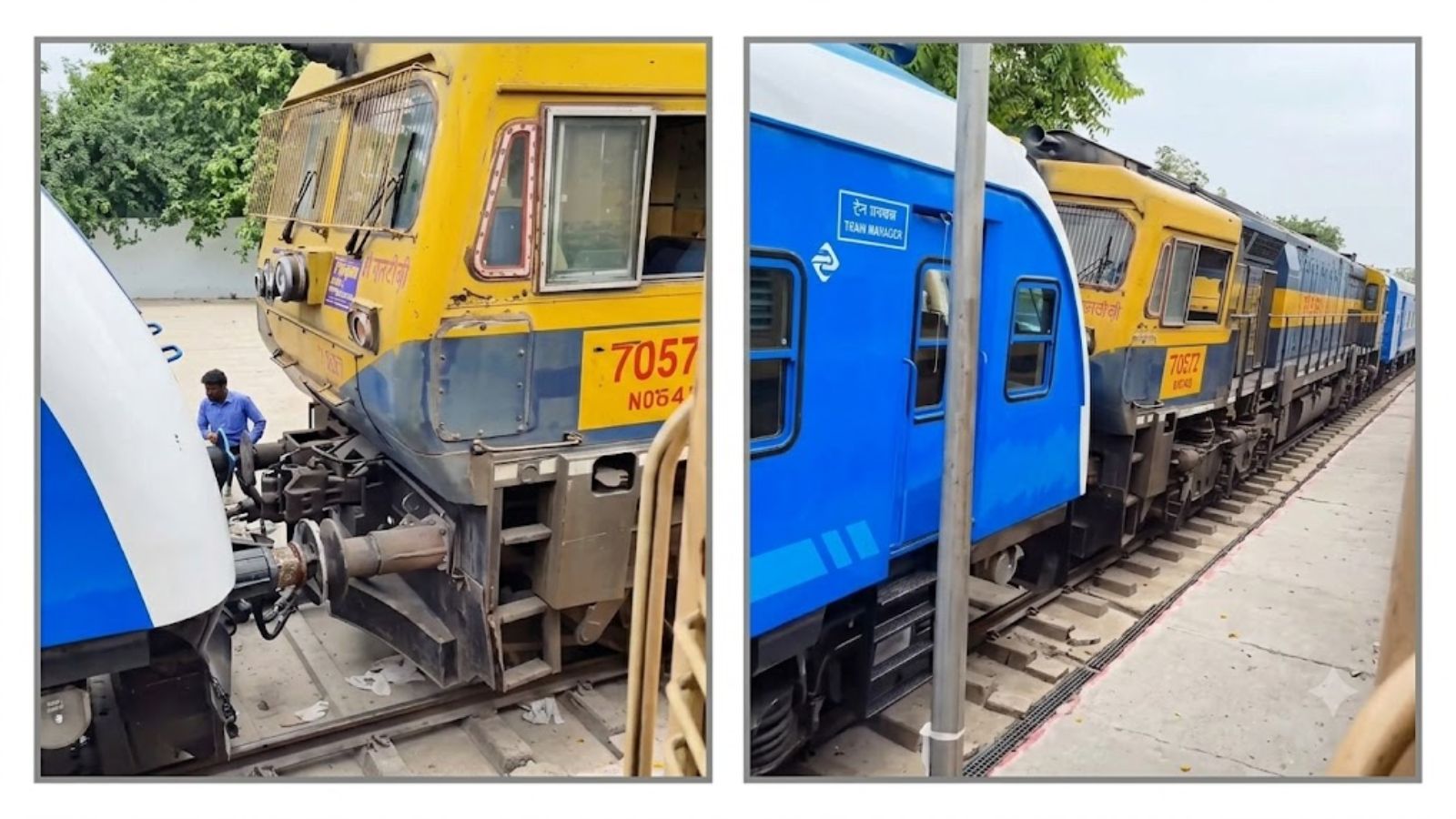
The Indian Railways has issued a clarification after a video went viral on social media alleging that the country’s first hydrogen train was being pulled by a diesel engine due to a fault in its hydrogen locomotive. The video, which circulated widely, claimed that the hydrogen train, flagged off by Prime Minister Narendra Modi on July 17, had broken down and required a diesel engine for towing.
In a statement, the Northern Railway division called the viral video "factually baseless and misleading." The Railways explained that the use of a diesel locomotive to move the hydrogen train is a standard operating procedure when the train is being taken to or from maintenance yards. "As per standard procedure, for the hydrogen train to come and go for maintenance, a locomotive will be used," the statement said, adding that there was no fault in the hydrogen fuel cell system.
The hydrogen train, which operates on the 89-kilometre section between Jind and Sonipat in Haryana, is part of Northern Railway’s Delhi Division. It is a significant step towards green mobility, as hydrogen is a zero-emission fuel when produced from renewable sources. The train has been designed to run on hydrogen fuel cells, which generate electricity to power the train's motors, producing only water vapour as a byproduct.
The clarification comes as social media users questioned the reliability of the hydrogen technology. However, railway officials emphasized that the hydrogen engine is functioning as intended and that the train has been running successfully since its launch. The viral video was likely recorded during a routine maintenance movement, not during revenue service.
This incident highlights the challenges of introducing new technology in the public eye, where misinformation can spread quickly. The Indian Railways has been at the forefront of adopting hydrogen fuel cell technology as part of its goal to become a net-zero carbon emitter by 2030. Several hydrogen trains are planned for various routes across the country.
Experts note that hydrogen trains are already in commercial operation in countries like Germany and are considered a viable alternative to diesel trains on non-electrified routes. The Indian Railways' hydrogen train is a prototype developed in collaboration with Indian research institutions and aims to demonstrate the feasibility of hydrogen propulsion in Indian conditions.
The Railways urged the public to verify information from official sources before sharing it on social media. "We request all to not fall for baseless claims and trust the official communication from Indian Railways," the statement concluded.