Indian boxer Narender Berwal recalls 2015 bout where Pakistani rival resented his name
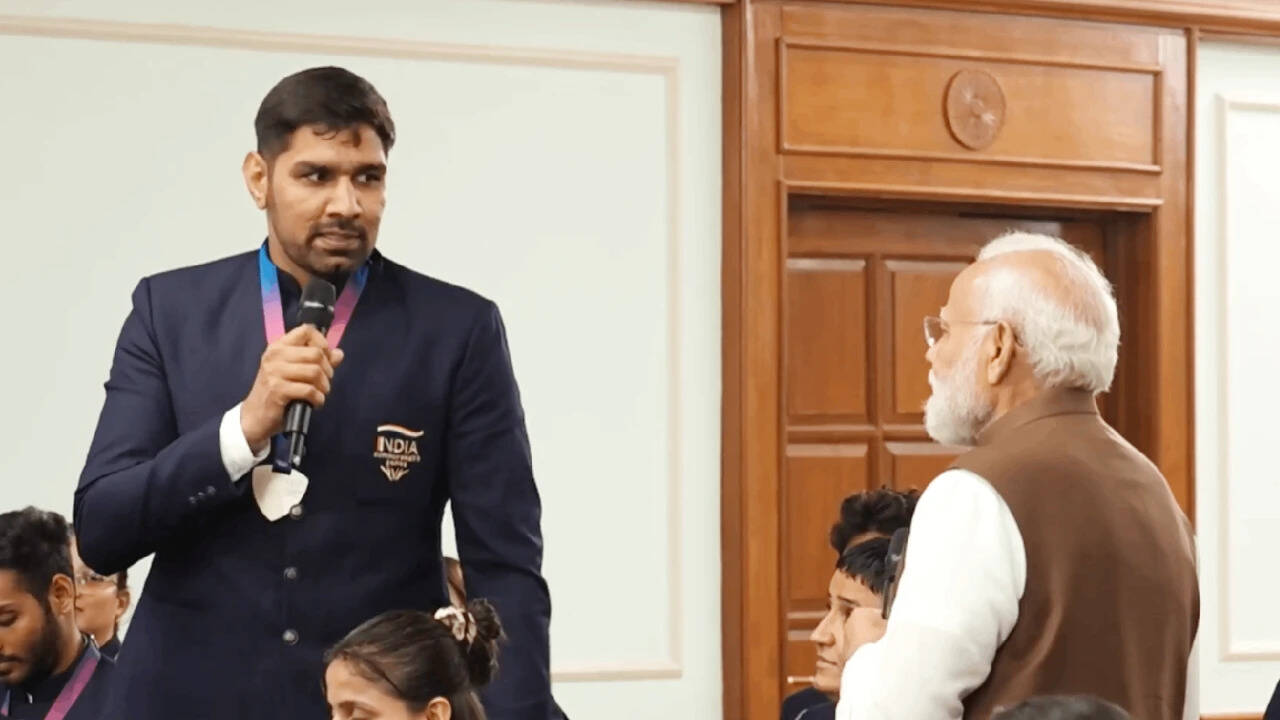
Indian boxer Narender Berwal has revisited a memorable encounter from the 2015 World Military Games, where he defeated a Pakistani opponent. According to Berwal, the contest extended beyond the ring, as his rival reportedly took exception to his name, which resonates with that of Prime Minister Narendra Modi.
The World Military Games, organised by the International Military Sports Council, bring together athletes from armed forces across the globe. In 2015, the games were held in Mungyeong, South Korea, where Berwal, representing India, faced his Pakistani counterpart in the super heavyweight category. Berwal emerged victorious, but the aftermath of the fight carried an unusual twist involving his name.
Berwal, a pugilist from Haryana, revealed that his opponent expressed displeasure over being introduced to him as 'Narender'. The name, common in India, is also the first name of the country's prime minister. The Pakistani boxer's reaction, as recounted by Berwal, underscored how political tensions can occasionally spill into sporting arenas, even at military games meant to foster camaraderie among soldiers and athletes.
Sports historians note that India-Pakistan contests have always been charged with emotion, given the complex history between the two nations. However, athletes on both sides have frequently demonstrated mutual respect, and instances of verbal or behavioural conflict are rare. Berwal's recollection serves as a reminder that while sport can be a bridge, it is not immune to the echoes of geopolitics.
Berwal, who has represented India in multiple international tournaments, including the Asian Games and Commonwealth Games, is known for his disciplined approach in the ring. His victory at the 2015 Military Games was one of the highlights of his career, showcasing his skill and endurance. The Indian boxer has often spoken about the importance of maintaining composure and focus, regardless of external provocations.
The incident, though minor, gained attention due to the coincidence of names and the charged atmosphere that defines India-Pakistan encounters. Berwal, in his recollections, chose not to dwell on the negativity, instead emphasising the spirit of sportsmanship. He acknowledged that his Pakistani opponent was a tough competitor and that the exchange was a momentary lapse, not a reflection of their mutual respect as athletes.
For readers, this story highlights a fundamental principle: sport should remain separate from politics. While names and identities carry meaning, the essence of athletic competition lies in adhering to rules and honouring the opponent. Berwal's experience at the 2015 World Military Games is a testament to the resilience required to navigate such delicate situations with dignity.
As India continues to produce exceptional boxers, stories like these offer a glimpse into the lives of athletes who balance national pride with personal integrity. The 2015 encounter remains a footnote in Berwal's career, but it serves as a conversation starter about the role of sport in fostering unity amid diversity.