India Says Monitoring US Bill That Seeks 100% Tariffs on Russian Oil Buyers
The Indian government on Friday said it is "closely monitoring" a United States Senate bill that would authorise the President to impose tariffs of up to 100 per cent on countries, including India, that purchase significant volumes of Russian oil and gas.
Responding to a question on the bill, External Affairs Ministry spokesperson Randhir Jaiswal said India's position on energy security has been "clarified and very well articulated" on several occasions. "It is something which is predicated on our national priorities and on securing the energy needs of our 1.4 billion people through diversified sources, which includes the US," he added.
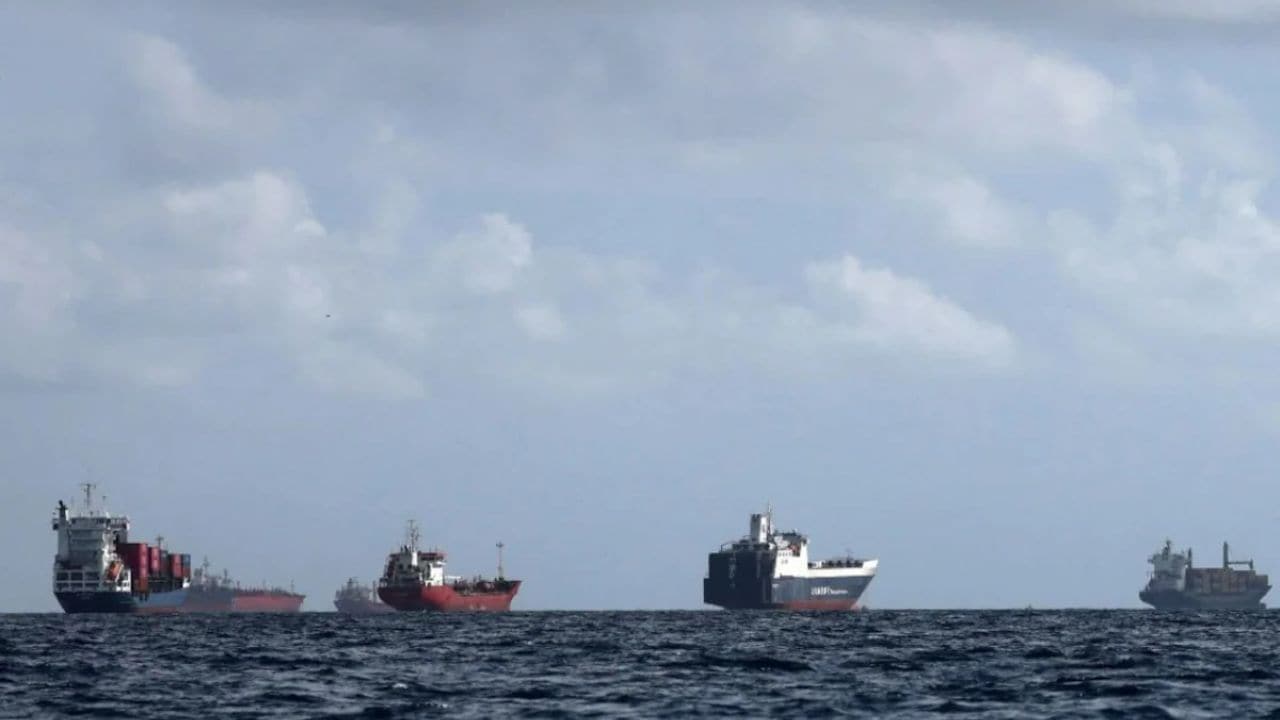
The bill, titled the Lindsey O Graham Sanctioning Russia and Iran Act of 2026, was passed by the Senate with an 86-12 vote. It will now be taken up by the House of Representatives for consideration. The legislation seeks to impose primary and secondary sanctions on Russia and on those supporting its war in Ukraine. It targets Russian officials, oligarchs, their family members, foreign persons, Russian banks and financial institutions, and the so-called Russian shadow fleet.
Section 113 of the bill specifically focuses on the five countries that purchase the largest volumes of Russian fuel or facilitate sanctions evasion. These countries could face additional 100 per cent tariffs. Besides India and China, the other top purchasers of Russian oil are Slovakia, Hungary, and Azerbaijan, according to the bill's provisions. The US Trade Representative would be required to review the list every 180 days and adjust tariff rates based on changes in purchasing behaviour.
The development comes as India has emerged as a major buyer of Russian crude oil in recent years, particularly after the outbreak of the Ukraine conflict. While Western nations have imposed sweeping sanctions on Moscow, New Delhi has maintained that its energy purchases are driven by national needs and are not meant to circumvent sanctions. India has also repeatedly pointed to its growing energy trade with the United States as evidence of its diversified procurement strategy.
Jaiswal said New Delhi remains "engaged with relevant stakeholders in the US at various levels" on the matter. The bill's passage through the Senate is a significant step, but its final form is yet to be determined, as it must be approved by the House and then signed into law by President Donald Trump, who may have discretion in implementing the tariffs.
Analysts suggest that the proposed tariffs, if enacted, could complicate trade relations between India and the United States, but note that India's response so far has been to signal openness to dialogue. India has historically balanced its ties with Russia, a long-standing defence and strategic partner, with its growing partnership with Washington in areas such as trade and technology.
The bill is named after Senator Lindsey Graham, one of its key sponsors, and combines sanctions on Russia and Iran. Its passage in the Senate reflects continued bipartisan pressure on the administration to take harder action against countries that continue to engage with Russia economically. However, the precise scope of the measures, and how they will apply to India, will depend on the final wording and the President's interpretation.
For now, India's official stance remains one of careful observation and continued diplomatic engagement. As the bill moves through the US legislative process, New Delhi will likely seek to protect its energy security interests while sustaining its strategic autonomy.