India rejects UN racial discrimination report as 'politically motivated, highly malicious'
India has strongly rejected observations made by a United Nations committee on the alleged targeting of minority communities and Rohingya refugees, describing the remarks as politically motivated and highly malicious. The response came after the UN Committee on the Elimination of Racial Discrimination issued a report following India's periodic review under the International Convention on the Elimination of All Forms of Racial Discrimination.
The committee had highlighted an increase in law enforcement operations targeting Rohingya, Bengali-speaking Muslims, migrants and asylum-seekers, particularly following the 2017 home affairs order and the April 2025 Pahalgam attack in Kashmir. The report called on India to take steps to prevent such operations and to ensure the protection of these communities.
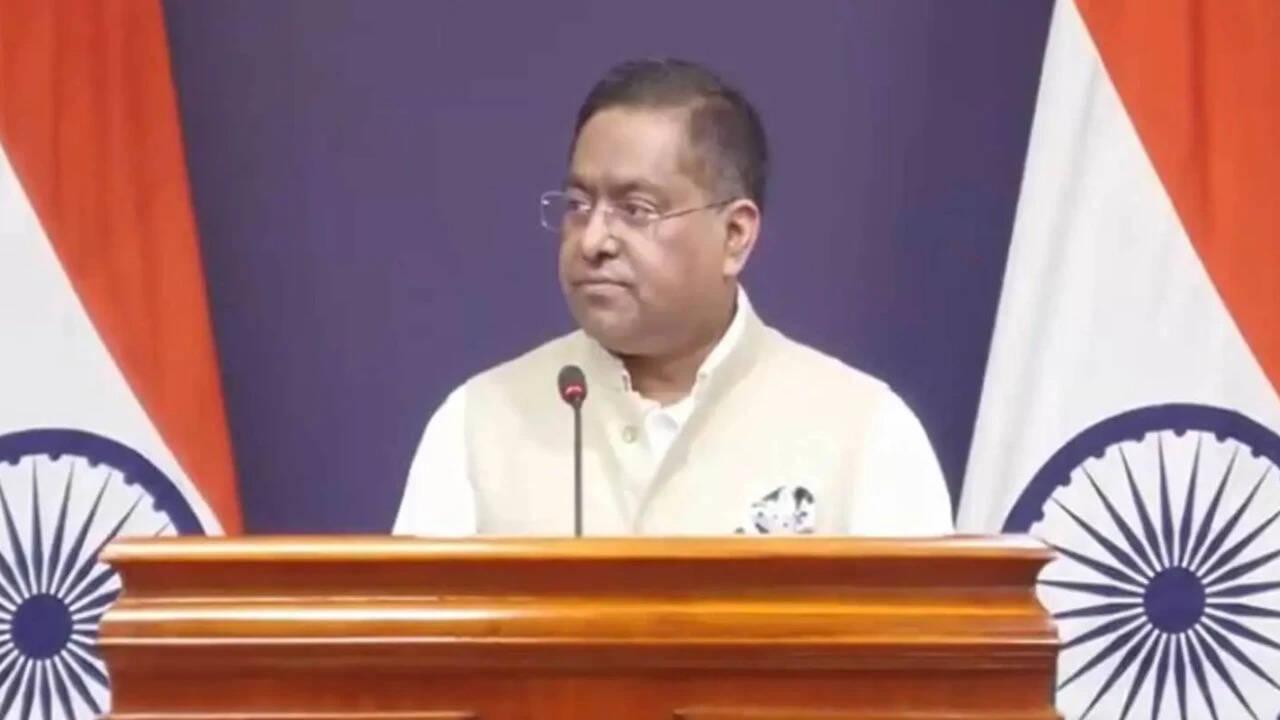
In a statement, Ministry of External Affairs spokesperson Randhir Jaiswal said, “India rejects any politically motivated, highly malicious references in the report with all the contempt that it deserves.” He added that India's commitment to combating racial discrimination remains unwavering.
The ministry clarified that the review was a routine treaty-body exercise, and India had participated in a spirit of constructive engagement. During the review, the Indian delegation highlighted the country's constitutional safeguards, robust legal framework, pluralism and sustained efforts to protect disadvantaged communities.
The inter-ministerial delegation, led by Solicitor General Tushar Mehta, had already rejected what it described as sweeping generalisations, unsubstantiated allegations and a tendency to exceed the convention's mandate during the review meeting. The delegation also noted that India's mission in Geneva had issued a detailed press release following the review, providing its full response to the committee's concerns.
The ministry said India will respond to the committee's observations through the established procedure. This includes submitting a formal response to the committee, which is expected to take into account the delegation's objections and India's position on the issues raised.
The UN committee's report is part of a periodic review process that all countries undergo as signatories to the convention. India has been a party to the convention since 1968 and has regularly submitted reports to the committee. The committee's observations are not legally binding, but they carry moral weight and are often used by civil society groups to press for changes in policy.
The Pahalgam attack, which took place in April 2025, was a militant strike that killed several tourists and security personnel. The attack led to heightened security operations in Kashmir, which the committee said may have disproportionately affected minority communities. However, Indian officials have maintained that all operations are conducted in accordance with the law and with the aim of maintaining public order.
This is not the first time India has rejected UN committee reports. In previous reviews, India has dismissed similar criticisms as lacking understanding of the country's complex social fabric and legal framework. Officials have repeatedly stressed that India's Constitution and laws provide equal protection to all citizens, regardless of religion or ethnicity.
The government's firm stance reflects its broader approach to international scrutiny of its human rights record. New Delhi has often accused some international bodies of bias and of failing to recognize the progress India has made in uplifting marginalized groups.
As the process moves forward, India is expected to file its formal response in the coming months. The committee, in turn, will review India's reply and may issue further recommendations. Whether this leads to a constructive dialogue or further friction remains to be seen.







