India Pushes for Indus Treaty Renegotiation, Accelerates Chenab Hydropower Projects
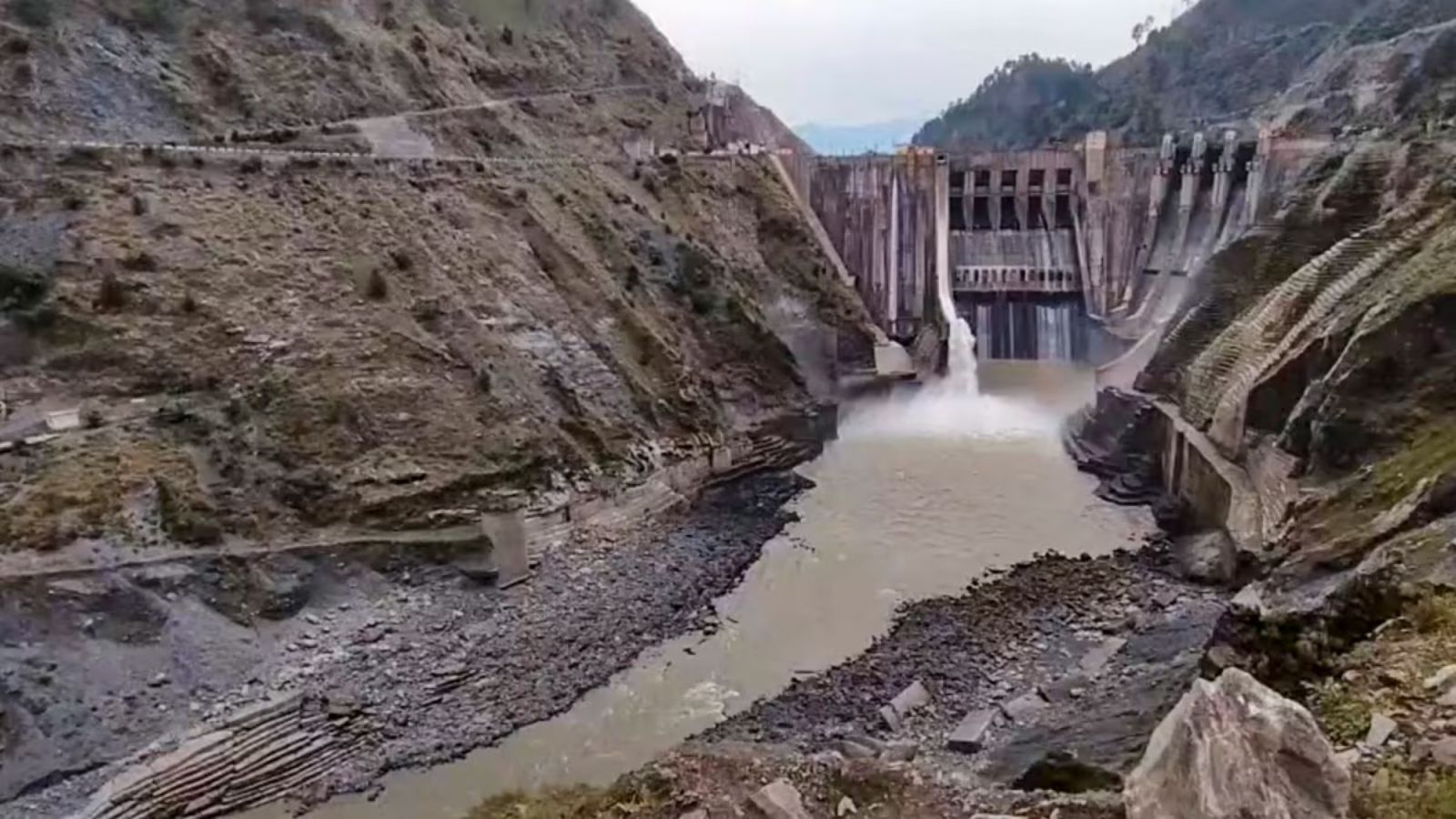
One year after India suspended the Indus Waters Treaty (IWT) following the Pahalgam terror attack, the government is prioritising the rapid development of hydropower projects on the Chenab river with a combined capacity exceeding 5,000 megawatts, and seeking renegotiation of the six-decade-old agreement, official sources stated on Monday.
The government has concluded that the treaty has outlived its utility and is prepared to renegotiate its terms with Pakistan to create a more balanced framework. “IWT, in its present form, cannot function again,” a senior source said. Sources added that Pakistan has not demonstrated any steps to end cross-border terrorism against India—a condition India has set for resuming cooperation under the treaty.
For any future revival of the water-sharing provisions, the treaty would need to be renegotiated in a modified format. This step remains contingent on Islamabad permanently ceasing its support for terrorism directed against India, sources clarified.
The Indian Express has learned that New Delhi's key focus is the swift completion of several hydropower projects on the Chenab: the 1,856 MW Sawalkote Hydroelectric Project, 1,000 MW Pakal Dul Project, 850 MW Ratle Project, 624 MW Kiru Project, and 540 MW Kwar Project. While the Kiru and Pakal projects are expected to be completed by the end of this year, the remaining are slated for completion within the next two to three years.
These projects are critical for India's clean energy transition, grid stability, and regional development. They will substantially enhance India's hydropower capacity while enabling fuller utilisation of its legitimate rights under the Indus basin, sources said. “Together with accelerated hydropower development and modern basin management, these initiatives will ensure that India’s legitimate share of the Indus waters is utilised efficiently, sustainably and in accordance with its long-term developmental, water security and clean energy objectives,” they added.
Providing context, sources noted that the IWT was negotiated and implemented in a spirit of goodwill, friendship, and peaceful coexistence. “Like any enduring international arrangement, it depended not merely on legal obligations but on mutual trust, reciprocity and good faith. For over six decades, India honoured both the letter and spirit of the treaty, maintaining uninterrupted implementation even during wars, military crises and prolonged periods of bilateral hostility.”
However, sources said Pakistan simultaneously pursued a sustained policy of cross-border terrorism against India. “Such conduct has fundamentally destroyed the atmosphere of trust necessary for cooperative implementation of the treaty. Agreements of this nature cannot remain insulated from persistent acts of hostility and terrorism.”