India Plans Three-Year Pollution Certificate Validity for New BS-VI Vehicles
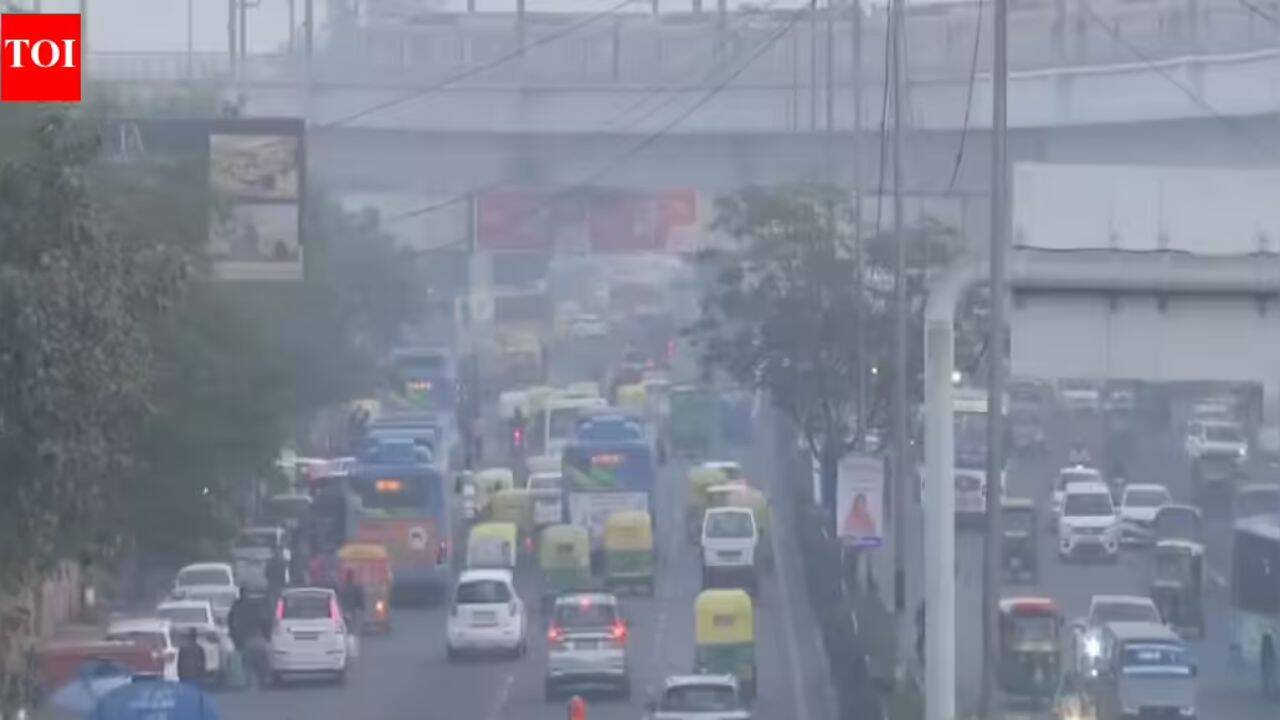
The Indian government is considering a significant change to the validity period of Pollution Under Control Certificates (PUCC) for private vehicles, with a proposal to extend the validity for newer BS-VI vehicles up to six years old to three years. Currently, all vehicles must renew their PUCC annually.
According to sources familiar with the development, the proposal is part of a larger overhaul of the pollution certification system, termed 'PUCC 3.0'. The move is intended to reduce the compliance burden on owners of modern, cleaner vehicles while tightening norms for older, more polluting ones.
Under the proposed plan, BS-VI private vehicles aged between six and ten years would need to renew their PUCC annually, and those older than ten years would require renewal every six months. For commercial BS-VI vehicles up to six years old, the proposed validity is two years, with the same norms as private vehicles for those older than six years.
The government also plans to introduce stricter renewal schedules for older private vehicles. Owners of BS-IV vehicles — manufactured before March 2020 — may have to renew their PUCC every six months, compared with the current requirement of once a year. For BS-I to BS-III vehicles, renewal would be mandatory every three months, down from the current six-month interval.
Officials said the changes are designed to reflect the significantly lower emissions from BS-VI vehicles, which emit up to 82% less particulate matter (PM) and 25% less nitrogen oxides (NOx) than BS-IV vehicles. The proposal also aims to disincentivise the use of older, more polluting vehicles.
Additionally, the government is working on improving the PUCC testing process to prevent manipulation of readings. 'The process for PUCC is also being improved to ensure there is no manipulation in readings,' an official said.
A former joint secretary in the road transport ministry welcomed the proposal, noting that new BS-VI vehicles have lower emissions. However, Anil Chhikara, a former deputy transport commissioner, cautioned that the maintenance of even new vehicles can affect emissions. 'Government should take into consideration that maintenance of even new vehicles has an impact on emission,' he said.