India Monitoring Pakistan-Saudi-Turkey Defence Pact, Weighing Security Impact
India has said it is closely studying the new defence pact between Pakistan, Saudi Arabia and Turkey, with the Ministry of External Affairs (MEA) assessing what the agreement could mean for New Delhi's national security and for peace in the region.
Speaking on Tuesday, MEA spokesperson Randhir Jaiswal said India was examining the agreement against the backdrop of a volatile security situation in West Asia. "We continue to closely follow developments in the West Asia conflict," he said. "As far as this particular agreement is concerned, we are examining its implications, both from the perspective of our national security as well as considerations of regional stability, peace and stability."
Jaiswal stressed that India would protect its interests if necessary. "India remains fully committed to meeting or safeguarding its national interests and will take all necessary measures in this regard," he added.
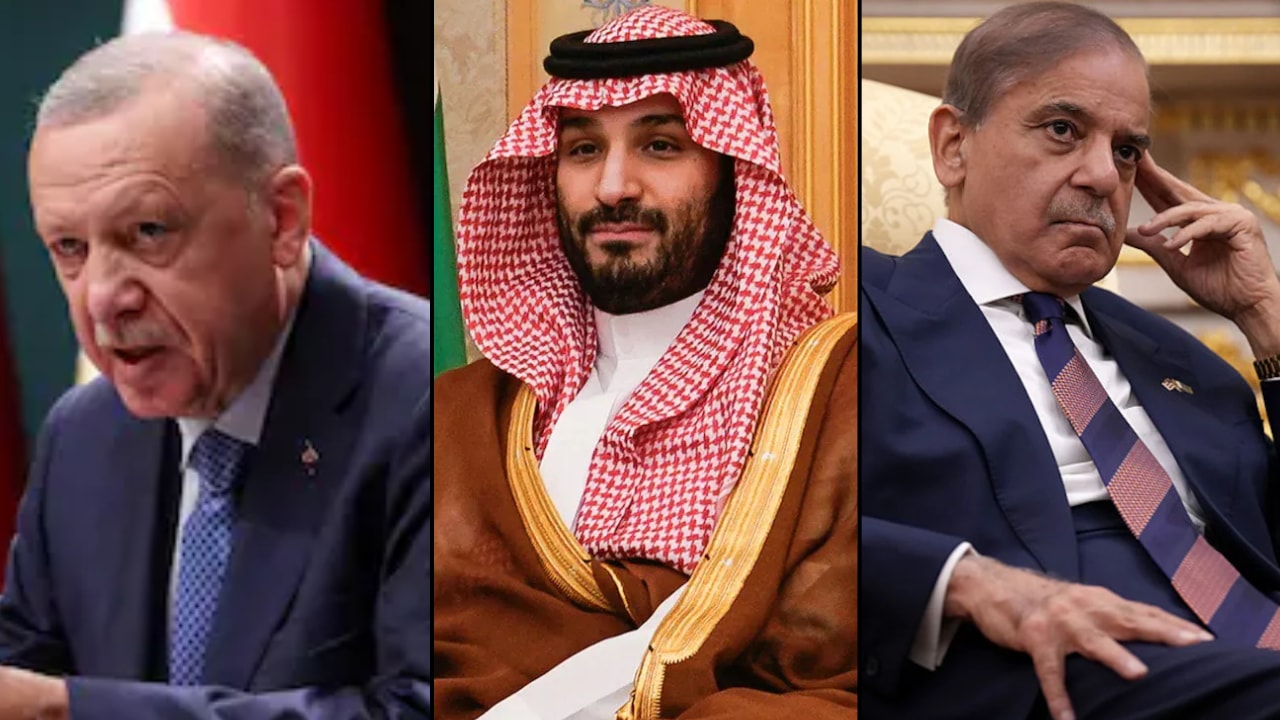
The agreement, signed in Mecca on Friday, brings together Saudi Crown Prince Mohammed bin Salman, Turkish President Recep Tayyip Erdogan and Pakistan Prime Minister Shehbaz Sharif. According to official statements from the three countries, the central clause commits collective defence: an armed attack on one signatory would be treated as aggression against all three.
The text says the pact is "intended to strengthen collective deterrence against any act of aggression" and "provides for the enhancement of all aspects of defence cooperation among the three states." It also includes plans for deeper military cooperation, including joint defence manufacturing and counter-terrorism efforts.
Saudi Arabia has been quick to clarify that the agreement is not a new military or religious bloc. In a separate statement, Riyadh said the pact is neither a military alliance nor a religious faction, and that it does not involve nuclear ambitions or an attempt to trigger a regional arms race. Instead, the treaty aims at "building sustainable self-reliant capabilities" while maintaining Saudi Arabia's existing relationships with Gulf, Arab and international partners.
Turkey has similarly framed the agreement as a broad regional security framework, not a pact aimed at any specific country. President Erdogan said on social media that the arrangement is based on collective deterrence and would expand defence cooperation, support joint defence production and strengthen counter-terrorism efforts. He also noted that the pact recognises the right to self-defence under Article 51 of the UN Charter, does not target any particular nation, and could be open to other countries committed to regional peace, prosperity and stability.
The new security arrangement comes at a time of heightened tension in the Middle East. Since late February, the region has witnessed direct military exchanges, the breakdown of ceasefires and major disruptions around the Strait of Hormuz, with global repercussions for energy supplies and shipping.
For India, the pact holds added significance because of its close ties with Saudi Arabia, its strategic relationship with Turkey, and its long-standing security concerns involving Pakistan. The Mecca agreement builds on an earlier Pakistan-Saudi defence pact signed in September, which already included a similar provision treating an attack on one signatory as an attack on both.
New Delhi's decision to publicly underline that it is assessing the pact's implications signals that the emerging security arrangement is firmly on India's radar, even as officials stop short of calling it a direct threat. The MEA's comments reflect a cautious, watchful approach, emphasising diplomacy and readiness to act if India's interests are affected.







