India Completes Landmark Catalogue of 13,703 Butterfly and Moth Species
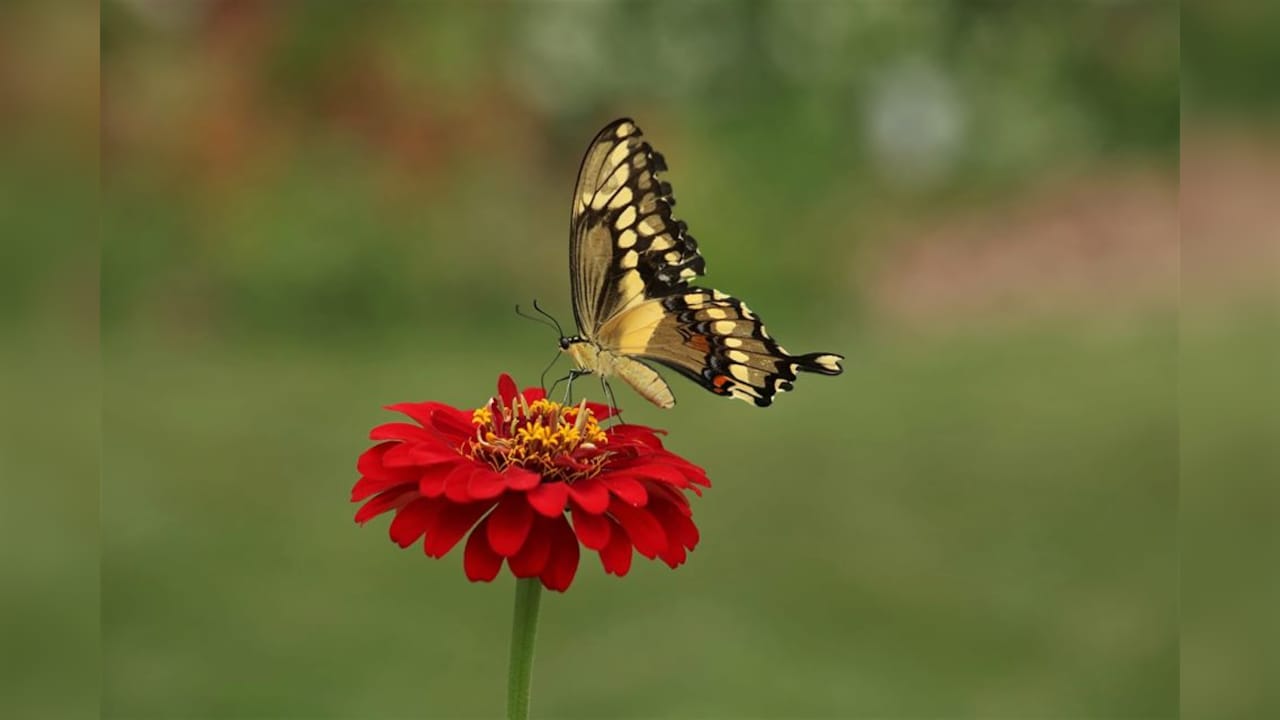
After more than 12 years of meticulous work, India has achieved a significant milestone in biodiversity documentation. The Zoological Survey of India (ZSI) has released the country's first comprehensive catalogue of butterflies and moths, listing 13,703 species. This monumental effort bridges taxonomic gaps that remained unresolved for over a century.
The catalogue, prepared under the Union Ministry of Environment, Forest and Climate Change, spans 22 volumes. It offers an updated taxonomic inventory of Indian Lepidoptera, the insect order that includes butterflies and moths. The final volume, authored by ZSI taxonomists Dr Rahul Joshi and Dr Navneet Singh, was published in the international journal Zootaxa.
According to the survey, India is home to 13,703 species belonging to 3,705 genera, 240 subfamilies, 102 families, and 31 superfamilies. This accounts for approximately 8.25 per cent of the world's known Lepidoptera diversity. The concluding volume catalogues 1,689 species, completing what the ZSI described as the country's first authoritative and centralised taxonomic reference for this group.
A significant component of the project is a dedicated catalogue of the moth superfamily Geometroidea. This records 2,205 species under 479 genera, 13 subfamilies, and four families in India. The Geometroidea fauna represents about 8.8 per cent of the world's known diversity in this superfamily. Among the four families, Geometridae is the largest with 2,100 species, followed by Uraniidae with 95 species, Epicopeiidae with nine species, and Pseudobistonidae with a single species. The family Sematuridae is absent from India. The most species-rich subfamilies are Ennominae with 895 species, Larentiinae with 565 species, and Geometrinae with 309 species.
The project involved extensive field surveys, examination of museum collections, and verification of scientific literature over more than a decade. ZSI Director Dr Dhriti Banerjee highlighted the importance of this work, stating: "These catalogue volumes will serve as a vital national asset for biodiversity research, ecological monitoring, and global conservation strategies. Such comprehensive catalogues ensure these species are given an authoritative voice, a clear legal identity, and a permanent place in scientific history."
Butterflies and moths play an essential ecological role as pollinators, herbivores, and detritivores. They form a critical part of the food chain for birds, bats, and other insectivores. Many species also have significant implications for agriculture and forestry, making this inventory valuable for managing ecosystems and addressing climate change impacts.
The consolidated inventory provides researchers, conservationists, and policymakers with a scientific baseline for biodiversity assessment, ecological monitoring, and studies on the effects of climate change across India's diverse ecosystems. With this comprehensive catalogue, India strengthens its position in global biodiversity research and conservation planning.