India, Bangladesh Explore Tarique Rahman's Visit Next Week
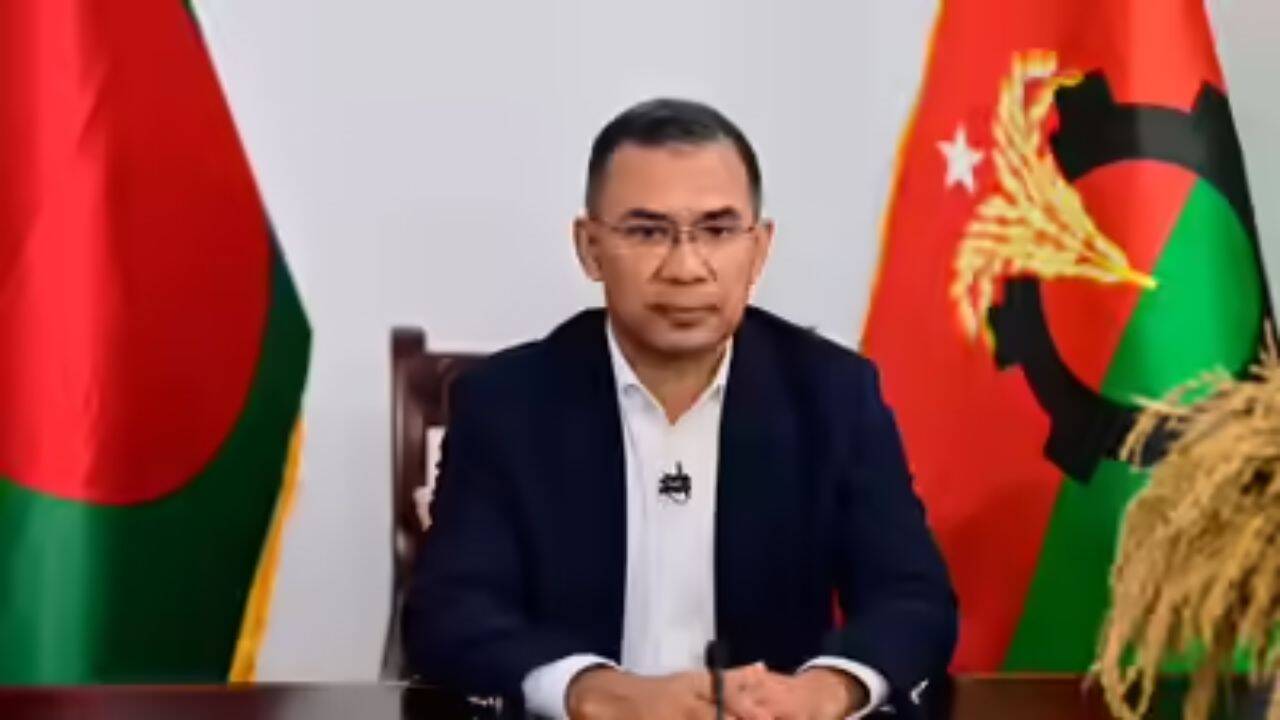
Diplomatic discussions are underway between India and Bangladesh regarding a potential visit by Tarique Rahman, the acting chairman of the Bangladesh Nationalist Party (BNP), next week, according to sources familiar with the matter. The visit, if confirmed, would mark a significant engagement between New Delhi and a prominent opposition leader in Bangladesh, amid the country's transitional political landscape.
Mr. Rahman, who has been living in London since 2008, is not the Prime Minister of Bangladesh, contrary to some reports. The South Asian nation is currently governed by an interim administration led by Chief Adviser Muhammad Yunus, following the resignation and departure of former Prime Minister Sheikh Hasina in August 2025. The BNP, one of the country's major political parties, has been navigating a complex political environment ahead of expected national elections.
The proposed visit is at an exploratory stage, with discussions focusing on logistics and agenda. Talks are said to include bilateral trade, border security, and broader regional cooperation. However, no official announcement has been made by either government, and both sides have refrained from public commentary.
If the visit materialises, it would be Mr. Rahman's first to India in nearly two decades. His previous interactions with Indian leaders have been limited, and the BNP has historically maintained a nuanced stance in its relations with India, balancing domestic political considerations with diplomatic engagement.
The potential visit comes at a delicate juncture in India-Bangladesh relations. The political upheaval in Bangladesh and the change in governance have prompted India to reassess its ties with its eastern neighbour. New Delhi has expressed support for a democratic and stable Bangladesh, while also engaging with the interim government to ensure continuity in developmental and security cooperation.
Observers suggest that engaging with the BNP could be part of India's broader strategy to build relationships across the political spectrum in Bangladesh. The BNP's participation in the electoral process and its stance on regional issues will be closely watched by Indian policymakers.
Political analysts in Dhaka have noted that Mr. Rahman's visit could boost the BNP's profile ahead of elections, though it is unlikely to fundamentally alter the party's political position. The party has called for a free and fair election and has been critical of certain actions by the interim government.
However, Mr. Rahman's legal situation adds complexity. He has been convicted in absentia in several corruption cases and faces arrest upon returning to Bangladesh. Legal experts say that any travel would require careful coordination between the authorities and the judiciary, possibly involving temporary legal exemptions or other arrangements.
Indian officials have not responded to requests for comment, and the Bangladesh foreign ministry has also declined to confirm or deny the talks. The ambiguity reflects the careful diplomatic calibration both nations are exercising during this transitional period.
Historically, India and Bangladesh have shared deep cultural and economic ties, with cooperation spanning trade, energy, and connectivity. The last BNP-led government, in office from 2001 to 2006, had a mixed relationship with India, but both countries consistently worked on border management and counter-terrorism. A visit by Mr. Rahman could open new avenues for dialogue, though it remains a developing story with details yet to be finalised.
As talks progress, the region will be watching for any official confirmation. The visit, if it happens, could signal a more inclusive approach by India in its engagement with Bangladesh's diverse political landscape.







