Independence Day: The Story Behind PM Modi's Signature Red Fort Turbans
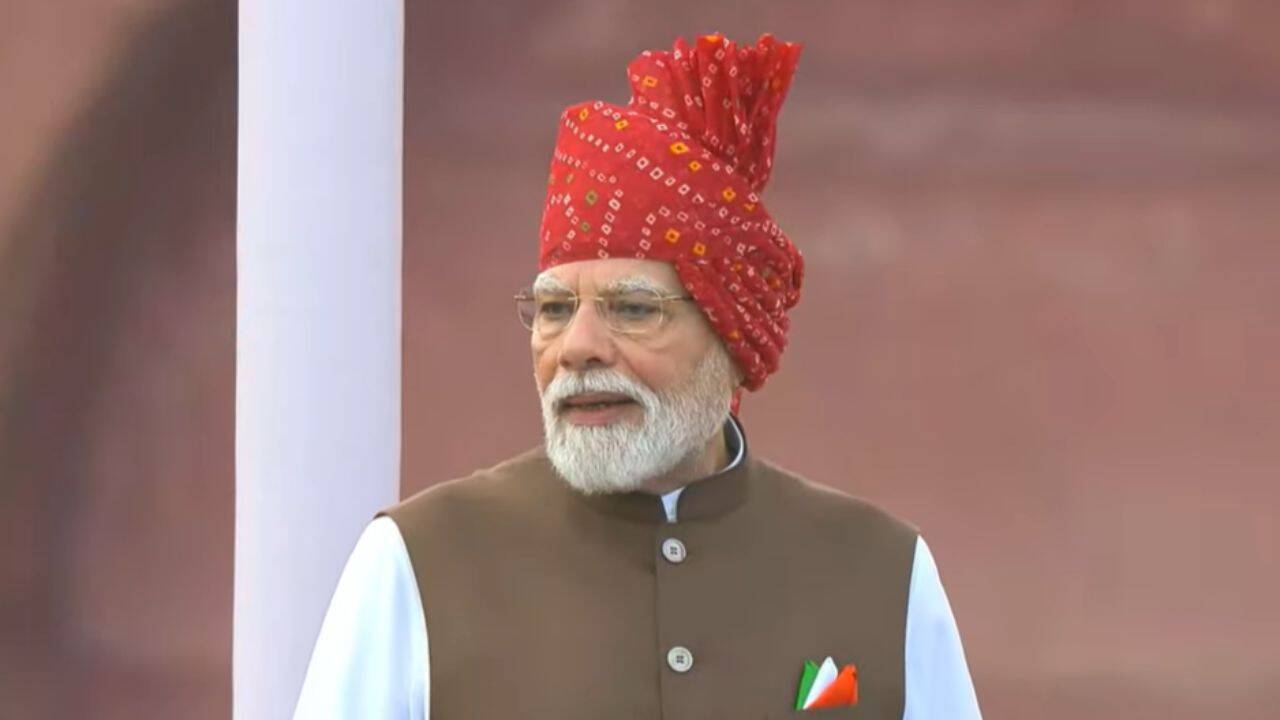
As India marks its 80th Independence Day on August 15, Prime Minister Narendra Modi will once again address the nation from the ramparts of the Red Fort in Delhi. While his speech is the centrepiece of the ceremony, another element has become a regular talking point over the years: his choice of turban.
Known for wearing a different style of headgear each year on this occasion, the Prime Minister's turban has evolved into a subtle but significant part of the Independence Day tradition. The practice is seen by many as a nod to India's rich cultural and regional diversity, with each unique style representing a different part of the country.
Turbans hold deep cultural meaning in several Indian states. In Rajasthan, the 'safa' is a mark of honour; in Punjab, the 'pagri' is a symbol of pride and faith; in Maharashtra, the 'pheta' is worn during auspicious occasions; and in the southern states like Karnataka and Tamil Nadu, the traditional turbans carry their own distinctive hues and styles. By wearing different turbans, leaders often signal respect for local traditions, particularly during public celebrations.
Prime Minister Modi's choice of turbans at the Red Fort has drawn attention not just for their visual appeal but also for the political and cultural messages they convey. Over the years, he has been seen in colourful Rajasthani turbans, multi-layered Maharashtrian phetas, and other regional styles. These choices have been interpreted by observers as an attempt to reflect the country's 'unity in diversity' and to connect with citizens across regions and communities.
The 80th Independence Day is a milestone year, coming at a time when India is celebrating its Amrit Mahotsav, the 75th year of Independence, which was marked with grand ceremonies and cultural programmes. While the government has planned a range of events, the Red Fort function remains the most visible. The Prime Minister is expected to focus his address on development, national security, and social welfare issues that resonate with the common citizen.
At the same time, the tradition of wearing a special turban is not unique to Modi. Many political leaders in India have used attire to symbolise respect for local culture. However, the consistency of Prime Minister Modi's practice has made it a distinctive feature of his public appearances on key national days. It also generates curiosity among viewers, many of whom look forward to seeing which state's tradition he will represent each year.
Textile experts note that the turbans worn by leaders are often handcrafted by local artisans, giving indirect visibility to traditional crafts. On a platform like the Red Fort, watched by millions, this exposure can spark interest in regional weaves and styles. Some designers have even observed an increase in demand for certain types of turbans after they are worn by prominent figures.
This year, with heightened attention on the 80th anniversary, the Prime Minister's turban is likely to be observed as closely as his policy announcements. The event will be covered by national and international media, and social media users are expected to share their own interpretations of the choice. Yet, beyond the fashion commentary, the practice is rooted in a simple and enduring message: that India's strength lies in its cultural pluralism.
As the tricolour is hoisted and the national anthem echoes across the lawns of the Red Fort, the sight of the Prime Minister wearing a traditional headgear is a reminder of the many strands that together form the fabric of the nation. Whether it is a ceremonial pheta or a colourful safa, the turban has become more than just an item of clothing in this context — it is a symbol of identity, respect, and belonging.
For the common citizen, the Independence Day aerial view of the Red Fort, the singing of patriotic songs, and the Prime Minister's address are all part of a shared memory. The addition of a distinctive turban only enriches that visual narrative, making each year's celebration both familiar and unique. As India moves forward, such traditions connect the present to the past, while also offering a glimpse of the country's ever-evolving public culture.







