IIT Guwahati develops Rs 3,500 portable device to detect arsenic, bacteria in water
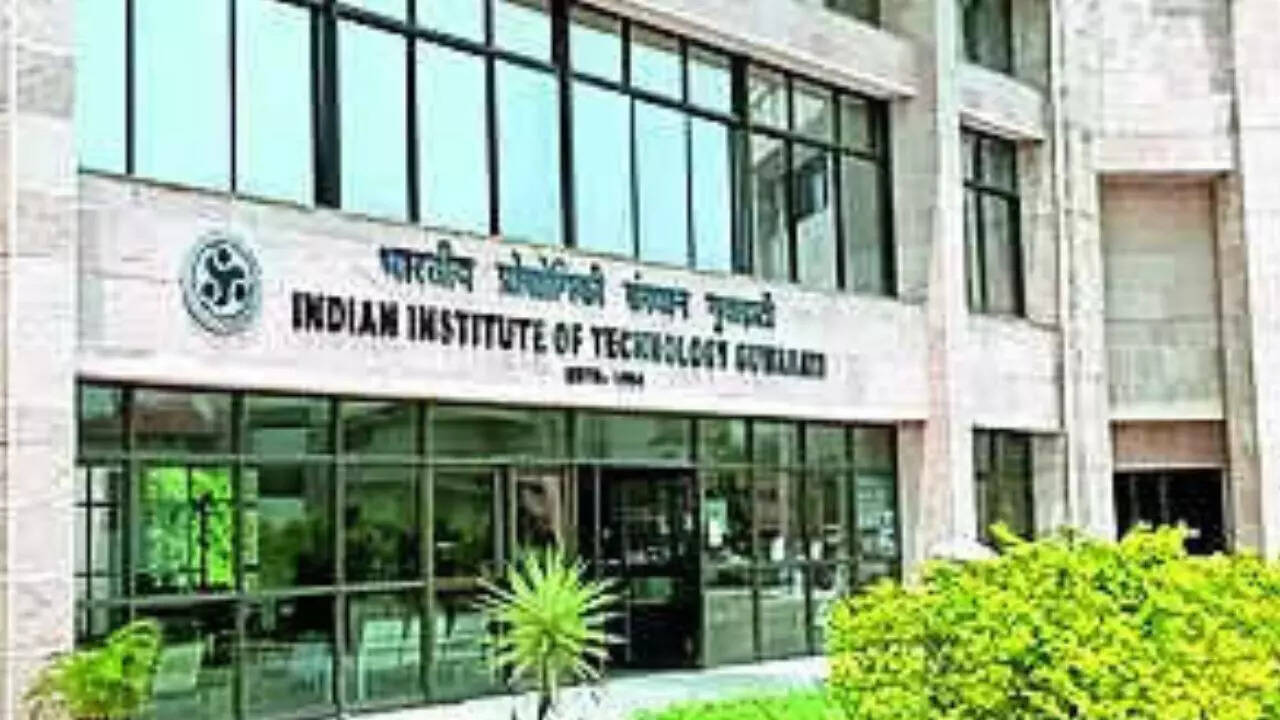
Access to safe drinking water remains a major challenge in many parts of India, with contamination from heavy metals and bacteria posing serious health risks. Traditional testing methods require sophisticated laboratory equipment and trained personnel, making them inaccessible to many rural communities. Against this backdrop, researchers at the Indian Institute of Technology (IIT) Guwahati have developed a portable optical sensing device called E-Eye that can rapidly detect toxic metals, fluoride, and bacteria in water samples.
The institute said on Thursday that laboratory tests have shown the device to be effective in detecting arsenic, lead, iron, chromium, fluoride, and Escherichia coli (E. coli) bacteria. The device is estimated to cost about Rs 3,500, with each sample test costing around Rs 2, making it a low-cost tool for on-site water-quality checks.
E-Eye works by using a chemical reaction that produces a coloured compound. The intensity of the colour changes according to the concentration of the contaminant. The device analyses this colour through optical sensing, converts the reading into digital data, and displays the concentration of the toxicant. According to the researchers, it operates on the Beer-Lambert law, combining optical sensing with digital electronics to generate accurate quantitative measurements.
Unlike conventional testing equipment, which generally requires water samples to be transported to laboratories, E-Eye can be deployed directly at water sources. The portable system can also wirelessly transmit test results to water-treatment facilities, enabling real-time monitoring and faster corrective action.
The researchers said the results from E-Eye were comparable to those obtained through standard laboratory instruments such as UV-Visible and Atomic Absorption spectrophotometers. More than 2,700 water samples have been tested using the device so far, they added.
The device could support water-quality monitoring under the Jal Jeevan Mission, the central government's programme that aims to provide piped tap water to rural households while ensuring the water is safe for consumption. The mission emphasises the need for regular testing of water quality at the village level.
In addition to drinking water, E-Eye can be used to test environmental and biological samples, vegetables, food products, tea, herbal products, soil, and milk. It may also help industries monitor liquid effluents that contain heavy metals, bacteria, and odour-causing compounds.
The research was supported by a grant from the Ministry of Electronics and Information Technology and has been published in the IEEE Sensors Journal. The development team includes IIT Guwahati professors Tapas K Mandal and Harshal B Nemade, along with researchers from the institute, KIIT Bhubaneswar, and Ramakrishna Mission Residential College, Kolkata.
The researchers have established ENVIONIX Labs Pvt Ltd to commercialise the technology and are exploring an industry partnership for its transfer. They are also working to integrate solar panels and cloud connectivity into the device for remote monitoring and data management.