Housing Sales Dip 6% in Top Cities: Middle-Class Affordability Under Spotlight
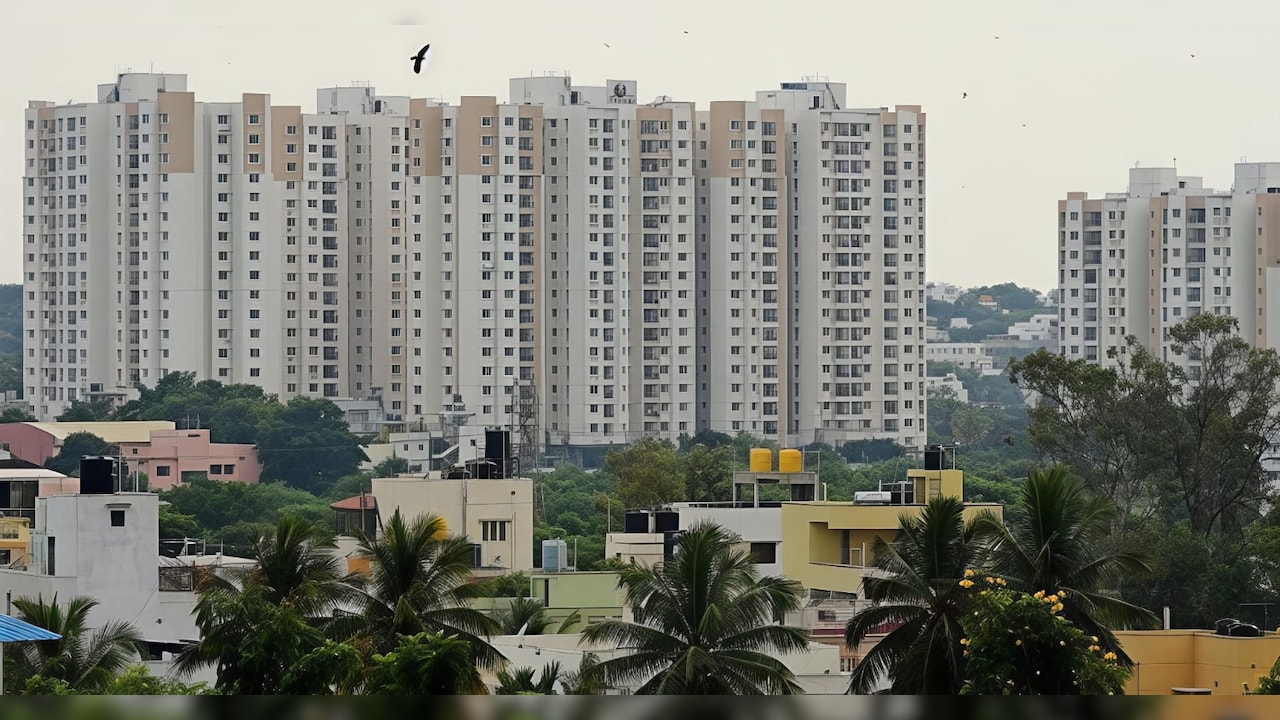
Housing sales across India's seven major residential markets—Delhi-NCR, Mumbai Metropolitan Region, Pune, Bengaluru, Hyderabad, Chennai and Kolkata—fell 6 per cent year-on-year during the April-June quarter, according to industry data. The decline comes after a strong post-pandemic run, but developers remain confident, launching nearly 1.06 lakh new homes—7 per cent more than a year ago.
Industry leaders caution against reading the slowdown as a market crash. G Ram Reddy, President-Elect of CREDAI, said the moderation reflects a return to normalcy rather than a downturn. He cited short-term factors such as global geopolitical uncertainty, affordability concerns and changing employment trends that have made buyers cautious. However, long-term drivers—urbanisation, infrastructure projects and end-user demand—remain intact, supporting developer confidence.
A key issue emerging is housing affordability. Reddy argued that rising development costs have altered home buying economics, necessitating a revision of India's affordable housing definition to align with current market realities. This sentiment is echoed by other experts. Shailendra Shukla, a property consultant and director of Lucknow-based S Squire Realtors, noted that developers have shifted focus toward luxury and ultra-luxury housing, sidelining affordable and mid-income segments. This imbalance, he said, distorts sales data: a small rise in luxury sales yields high growth rates, while the affordable segment—accounting for larger volumes—appears sluggish. He emphasised that pricing must match purchasing power for sustainable growth.
The middle class is feeling the squeeze. Pawan Agarwal, Managing Director of NK Realtors, highlighted that property prices in major cities have risen faster than household incomes. Coupled with higher borrowing costs, construction expenses, and stamp duty charges, even households earning around Rs 1 lakh a month find it difficult to buy homes without straining finances. Many are postponing purchases or opting for smaller homes in peripheral areas.
The data underscores a structural shift rather than a cyclical downturn. While luxury demand remains robust, the affordable segment's slowdown raises concerns about inclusive growth. Policymakers and developers face the challenge of bridging the affordability gap to ensure the housing market serves a broader population.