Hormuz crisis: 13 India-bound ships identified for evacuation amid rising maritime risk
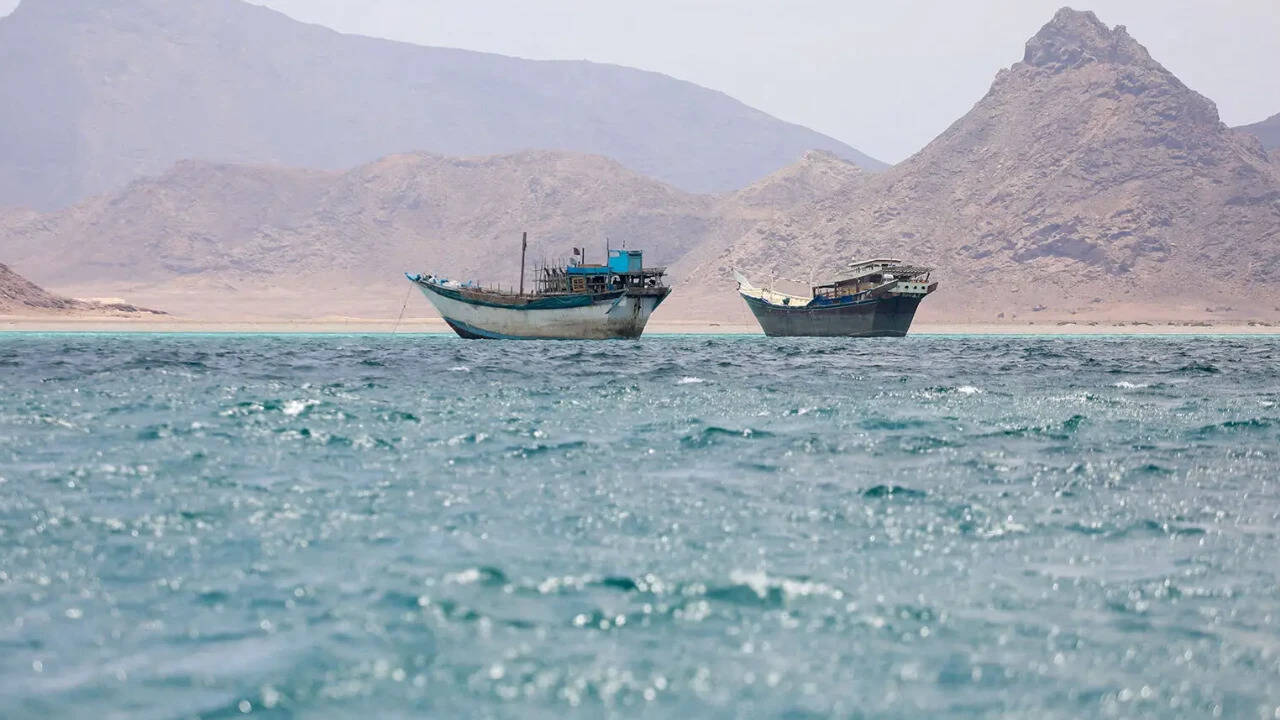
NEW DELHI: Around three dozen Indian and India-bound ships are currently situated in the western and eastern stretches of the Strait of Hormuz and the Red Sea, with 25 vessels located in the Hormuz region alone. The government has identified 13 of these ships for urgent evacuation, including eight carriers of fertilisers critical for the ongoing Kharif crop season and three vessels transporting energy products.
Officials said that 17 India-flagged vessels, along with several foreign-flagged ships bound for India, are in the area. Indian seafarers are part of the crews on both flagged categories. The development comes as heightened conflict in West Asia has made the Strait of Hormuz, the Red Sea, and the Gulf of Aden high-risk maritime zones.
Chairing a review meeting with senior officials, Union Minister for Ports, Shipping and Waterways Sarbananda Sonowal said, “Indian seafarers are key global workers, and the Modi government stands firmly with them and their families. The safety of our maritime heroes remains our paramount priority.” He added that the maritime regulator DGMA is operating round-the-clock to monitor distress alerts and coordinate rescue efforts.
“During the ongoing crisis, 4,052 stranded Indian seafarers have been safely repatriated. A total of 16,448 calls and 40,594 emails have been handled by our emergency response. DGMA is providing repatriation support, medical assistance, counselling and continuous engagement with affected families,” Sonowal said. He also noted that financial assistance of Rs 10 lakh is being provided to the next of kin of deceased seafarers.
Officials said that since the outbreak of the West Asia conflict, 67 ships of Indian interest have successfully crossed the conflict-hit sea channel. Separately, reports from seafarer safety organisations indicate over four incidents involving Indian vessels, 33 incidents involving foreign-flagged ships in the Persian Gulf (west of the Strait of Hormuz), and 22 incidents in the Black Sea.
In view of the elevated risk, the government has cautioned ships and shipping lines transiting through these volatile waters. The advisory urges enhanced vigilance and adherence to safety protocols. The evacuation of the 13 identified vessels is expected to begin soon, prioritising the safety of crew members and essential cargo.
The focus on fertiliser carriers underscores the importance of maintaining supply chains for agriculture, especially during the Kharif sowing season. Any disruption could have cascading effects on farmers and food security. The government’s coordinated response aims to minimise such risks while ensuring the safe return of Indian seafarers.
The ongoing situation highlights the broader challenges faced by global maritime trade during regional conflicts. India has ramped up its emergency response mechanisms, including round-the-clock monitoring and direct communication with affected families, to ensure timely assistance. The repatriation of thousands of seafarers reflects the sustained efforts of authorities amidst a complex and fluid security environment.