Historic First: Vande Mataram Sung at Red Fort During Independence Day Celebrations
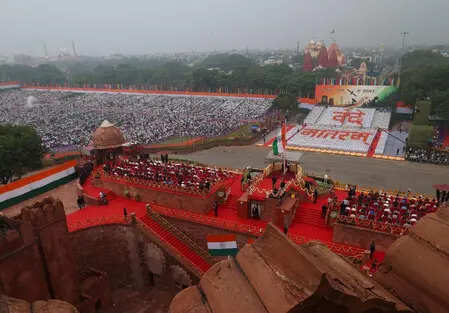
In a significant departure from tradition, the national song 'Vande Mataram' was sung at the Red Fort during this year's Independence Day celebrations, marking the first time the song has been performed at the historic venue on this occasion. The event, which took place after the Prime Minister's address to the nation, saw a stirring rendition of the song that has deep roots in India's freedom struggle.
The Red Fort has long been the symbolic heart of Independence Day festivities, with the Prime Minister hoisting the national flag and addressing the nation from its ramparts. The ceremony typically includes the playing of the national anthem 'Jana Gana Mana' and other patriotic songs. However, the inclusion of 'Vande Mataram' on this year's programme has been described as a notable addition, honouring a song that inspired generations of freedom fighters.
'Vande Mataram', composed by Bankim Chandra Chattopadhyay in the 1870s, was a rallying cry during the Swadeshi movement and the struggle for independence. Its first two verses were adopted as the national song in 1937, and it holds a unique place in Indian culture, evoking a deep sense of patriotism and reverence for the motherland.
The decision to include 'Vande Mataram' at the Red Fort ceremony is seen by many as a tribute to the song's enduring legacy and a recognition of its role in shaping the nation's identity. While the national anthem remains the official ceremonial song, the addition of 'Vande Mataram' adds a layer of historical and emotional resonance to the celebrations.
Reports from the event indicate that the rendition was met with enthusiasm by the attendees, who joined in singing the familiar verses. The atmosphere at the Red Fort was charged with patriotic fervour, as citizens from across the country gathered to witness the occasion. The Prime Minister, in his address, emphasised the importance of unity and progress, drawing on the spirit of 'Vande Mataram' to underscore his message.
This year's Independence Day celebrations also featured a display of India's cultural diversity, with performances from various states and a showcase of the country's military strength. The singing of 'Vande Mataram' at the Red Fort has been widely discussed on social media, with many hailing it as a fitting tribute to the nation's heritage.
Historians note that the song's journey from a literary composition to a national anthem has been remarkable. It was first sung publicly at the Indian National Congress session in 1896, and its popularity grew during the boycott of British goods. The song has been a source of inspiration for many leaders, including Mahatma Gandhi, who called it a 'treasure' of the nation.
The inclusion of 'Vande Mataram' at the Red Fort is being viewed as a symbolic bridge between the country's past and its present, reminding citizens of the sacrifices made by their forebears. It also reflects a broader effort to celebrate indigenous traditions and cultural symbols.
As the nation marks its 78th year of independence, the singing of 'Vande Mataram' at the Red Fort serves as a powerful reminder of the values that unite India. The event has been lauded by political leaders, cultural figures, and citizens alike, who see it as a moment of pride and reflection.
The Red Fort, a UNESCO World Heritage Site, has stood as a witness to India's history for centuries. From Mughal emperors to British colonial rule, and now as the venue for Independence Day celebrations, it remains an enduring symbol of the nation's resilience and sovereignty.
In conclusion, the first-ever singing of 'Vande Mataram' at the Red Fort on Independence Day marks a historic moment in the country's commemorative traditions. It reaffirms the profound significance of the song and ensures that its spirit continues to inspire future generations.







