Himachal Moves to Shrink IAS, IFS, IPS Ranks, Citing High Bureaucratic Costs
The Himachal Pradesh government has announced plans to reduce the number of Indian Administrative Service (IAS), Indian Forest Service (IFS), and Indian Police Service (IPS) officers in the state, citing the need to lower bureaucratic expenditure. The proposal, which requires approval from the central government, is part of the state's efforts to streamline administration and cut recurring costs.
According to officials, the proposed reduction would bring down the number of IAS officers from 153 to 130, a cut of 23, and IFS officers from 118 to 83, a reduction of 35. The exact number of IPS officers to be reduced has not yet been specified.
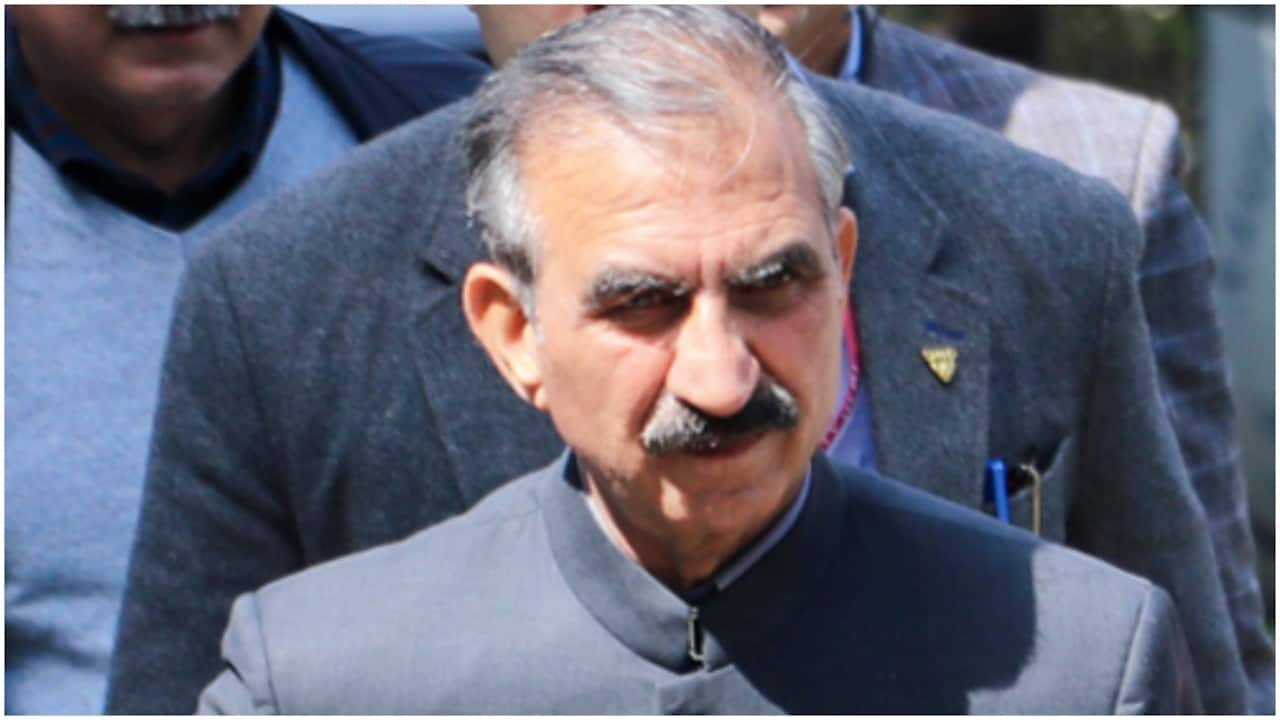
Chief Minister Sukhvinder Singh Sukhu said on Tuesday that the state's actual requirement for IAS officers is between 100 and 110. However, the government is seeking a reduction of only 23 officers. "We don't want an army of officers but need officers who effectively implement the policies and schemes of the government," he said. He also confirmed that the government will continue to allow All India Services officers to opt for central deputation, granting them immediate permission to leave.
The formal proposal will be sent to the central government, which has jurisdiction over the cadre strength of All India Services. The state is also expected to request that the central government refrain from allocating more central service officers to Himachal Pradesh. Officials estimate that the annual expenditure for each officer, including salary, dearness allowance, attached staff, and other perks, ranges from Rs 40 lakh to Rs 50 lakh.
Currently, over 20 IAS officers and more than a dozen IPS and IFS officers are on deputation, with some posted to non-cadre positions within the state. The government's move reflects a broader effort to manage administrative costs while maintaining effective governance in the hill state.
The proposal has implications for cadre management and state-centre relations. While the state government argues that a leaner bureaucracy will improve efficiency, critics may question whether reducing officers could strain service delivery in a geographically challenging region. The final decision rests with the central government, which will weigh the state's request against administrative requirements.







