Hidden Toll: Why India Cannot Count Heatwave Deaths Amid Climate Change
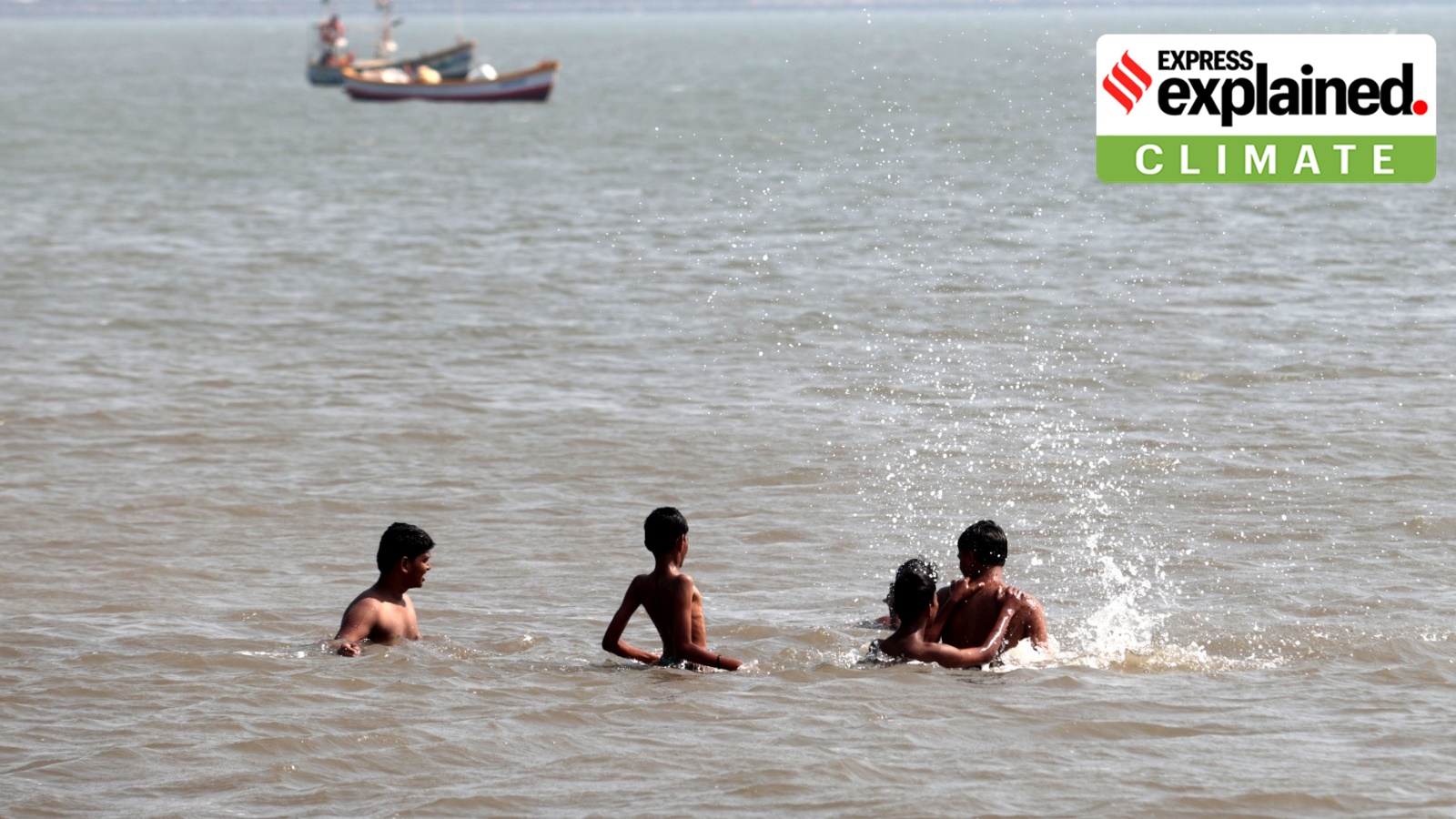
As climate change intensifies, heatwaves are becoming more frequent and severe worldwide. Europe recorded thousands of excess deaths during a heatwave in June, while the United States is currently experiencing a deadly heat dome. In contrast, India—which faces longer and more frequent heatwaves affecting hundreds of millions—lacks a reliable system to measure heat-related mortality. The true human cost remains largely unknown.
Experts highlight several reasons for this gap. First, heat is rarely listed as a direct cause of death on certificates. Instead, it acts as a contributing factor, exacerbating underlying conditions such as heart disease or respiratory issues. Thus, a death attributed to a heart attack may actually be heat-related. The official definition of heat mortality is narrow, counting only deaths from heatstroke, not the broader category of heat-related deaths.
Second, data collection is fragmented. Many records remain undigitised, and the private health sector—which delivers nearly two-thirds of inpatient care—is not fully included. This leads to wide variations in estimates, with each source applying its own criteria.
A common perception is that Indians are biologically accustomed to heat, but experts caution that this is not entirely accurate. While habits and infrastructure have evolved to cope—such as ventilated buildings, fans, and evaporative cooling—biological adaptation offers limited protection. Humidity plays a critical role: the wet-bulb temperature, which combines heat and humidity, can be deadly even for acclimatised individuals. Prolonged exposure to wet-bulb temperatures above 35°C can overwhelm the body's cooling mechanisms.
To address these challenges, experts call for better tracking that links daily temperature data to health outcomes. Such evidence can help policymakers design targeted heat action plans, including early warnings, cooling centres, and public awareness campaigns. Without accurate mortality data, the full impact of heatwaves remains invisible, hindering efforts to protect vulnerable populations as climate change intensifies.







