Haryana Congress appoints 103 block presidents in organisational overhaul; all are male
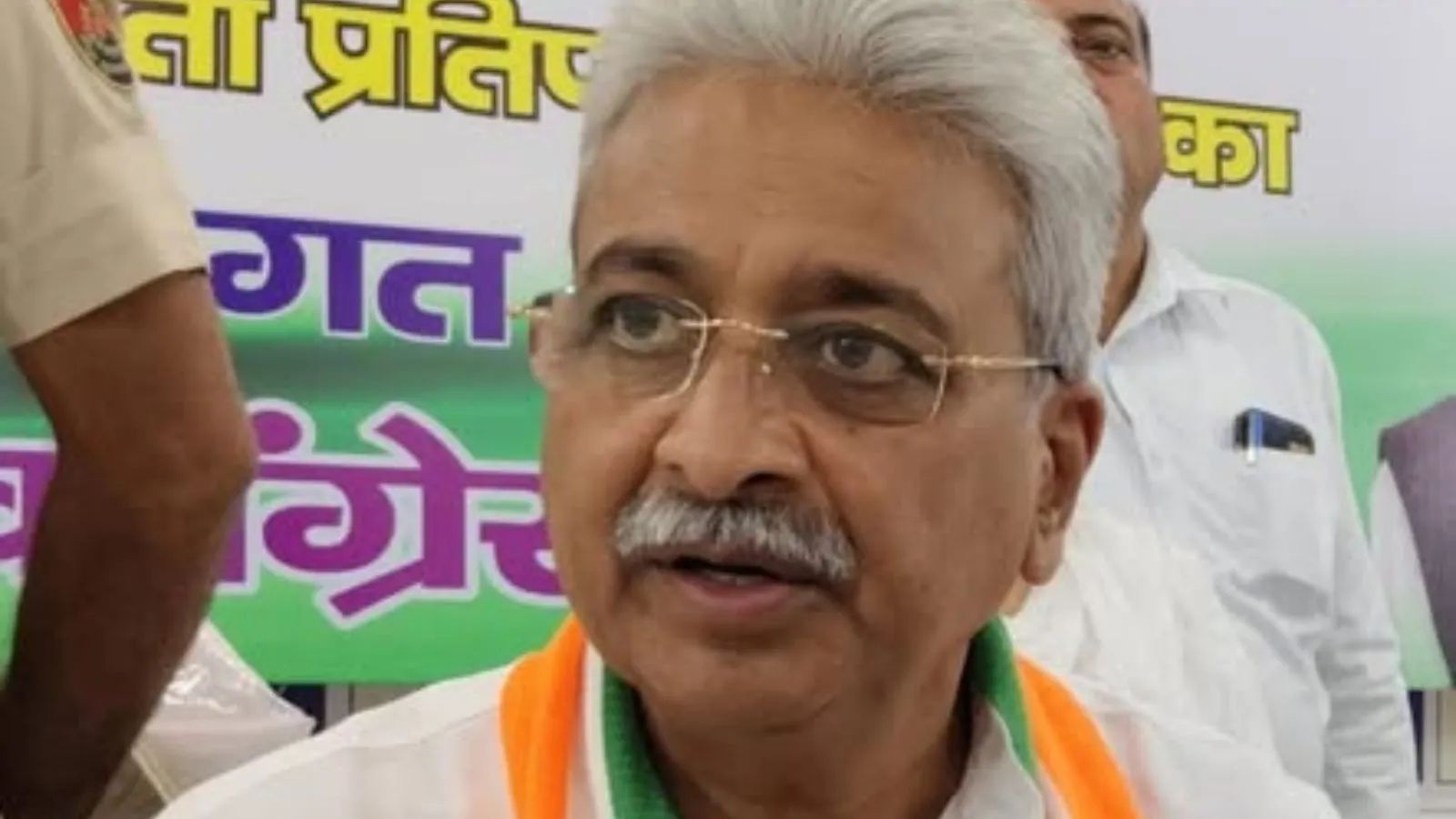
The Haryana Congress on Wednesday announced the appointment of 103 block presidents across 19 districts, marking the party’s first major grassroots restructuring in nearly 12 years. The move is aimed at strengthening its organisational foundation ahead of future electoral contests in the state.
The appointments were declared by Haryana Congress president Rao Narendra Singh and come at a time when the Special Intensive Revision (SIR) of electoral rolls is underway. However, the exercise has drawn attention for one notable aspect: none of the appointed block presidents are women, leaving the new structure without gender representation at this level.
Lists for the districts of Sirsa, Jhajjar, Faridabad and Hansi are yet to be announced, and it remains unclear whether women will be included in those forthcoming appointments. So far, all 103 named block presidents are men.
The Congress party has effectively functioned without a fully established block-level structure in Haryana since 2014. The block president is a critical link in the party’s organisational chain, responsible for mobilising grassroots support and coordinating local campaigns. A robust block-level network is considered essential for electoral success, and the party’s leadership has emphasised the need to rebuild this layer.
Observers note that the organisational overhaul is a strategic step as the party prepares for a series of elections, including the 2024 Lok Sabha polls and the next Haryana Vidhan Sabha election. The Congress has been working to revive its cadre in the state, where it has struggled to make deep inroads in recent years. The appointments are expected to energise party workers and improve coordination at the local level.
The absence of women in the list has prompted quiet discussion within political circles, though the party has not yet issued any official statement on the matter. Haryana, like many parts of India, has seen increasing focus on women’s participation in politics, and gender balance in party structures remains a subject of public interest.
The block president appointments cover a wide geographical spread, from Ambala to Nuh, and include districts such as Panchkula, Karnal, Rohtak, Hisar, and Bhiwani. The exact breakdown of positions was not immediately provided, but the party confirmed that the selection process considered factors such as loyalty, local influence, and organisational experience.
The Congress’s last such large-scale restructuring in Haryana occurred around 2011–12, before the party’s state unit underwent a series of leadership changes and electoral setbacks. The move to fill block-level posts now is seen as an attempt to bring stability and direction to the party’s operations on the ground.
Political analysts suggest that while organisational restructuring is vital, the party’s message may be muted if it fails to address the gender disparity. The Congress has publicly advocated for women’s empowerment and greater representation in politics, and the all-male list could be perceived as a contradiction to those principles unless remedied in the remaining districts.
For now, the Haryana Congress is focused on consolidating its base and reaching out to voters through its newly appointed block presidents. The party hopes that a strong grassroots network will help translate its political messaging into electoral gains in the coming months.


