Gujarat dams fill rapidly as heavy rains shift water crisis to flood risk
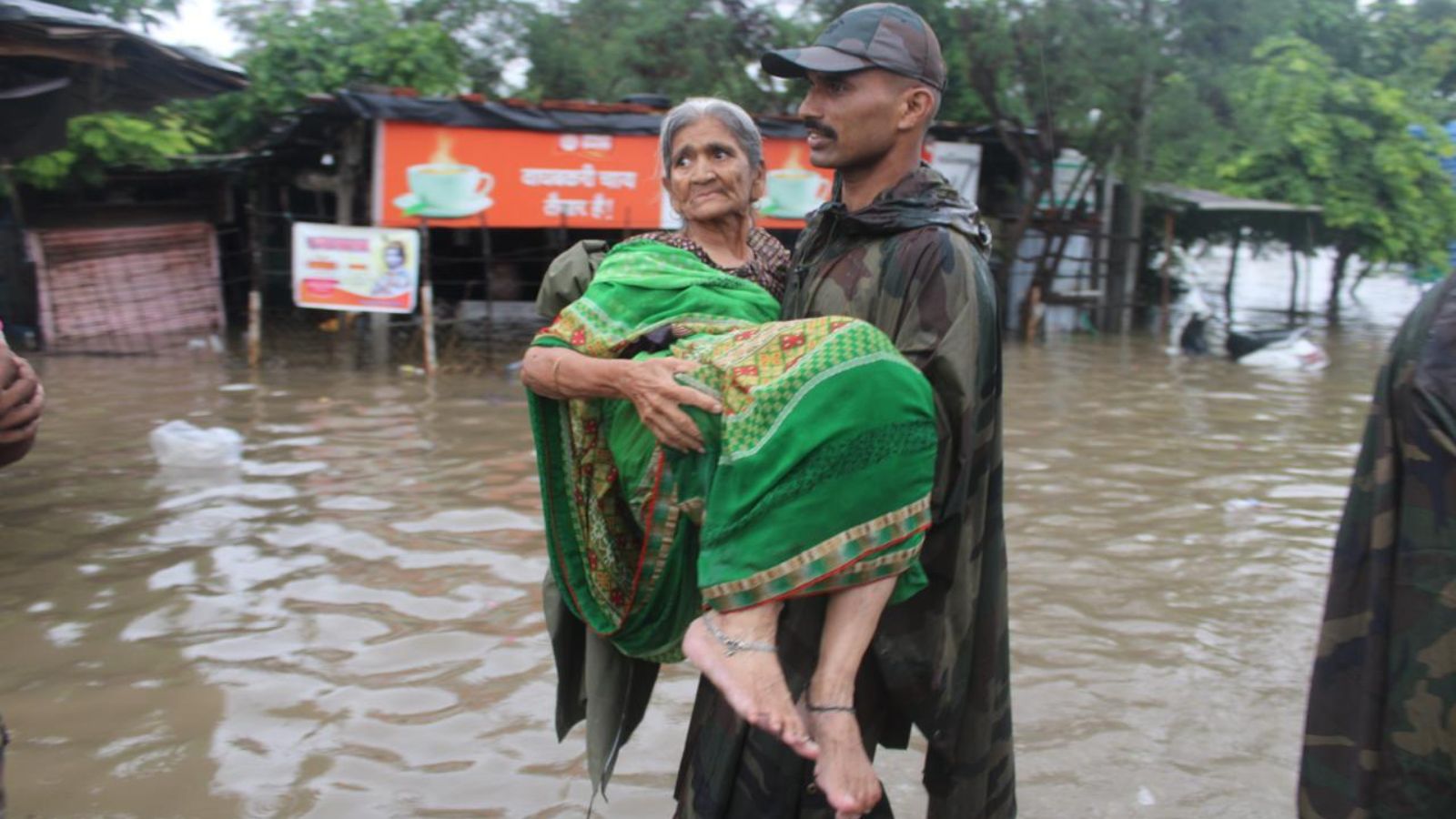
In the past 120 hours, Gujarat has seen a dramatic shift from water scarcity to flood concerns, with 14 dams reaching full capacity and 21 others placed on high alert. According to data from the State Water Resources Department, over 750 million cubic meters (MCM) of water have been added to the state's reservoirs during this period.
Eight of the completely filled dams are located in South Gujarat, a region that received particularly heavy rainfall. Major water schemes such as the Damanganga project are now managing a delicate balance, discharging 53,000 cusecs into river channels while receiving an inflow of over 55,300 cusecs. In Navsari district, both the Jhuj and Kelia dams stand at 100 per cent capacity, necessitating controlled spillage downstream.
Despite this sudden influx, the state's overall water storage remains below the levels recorded in July 2025, indicating that the long-term deficit has not been fully addressed. The rapid filling of dams has prompted authorities to monitor downstream areas for potential flooding, as excessive releases could affect low-lying regions.
The situation underscores the volatility of water management in Gujarat, where delayed monsoons earlier raised concerns about drought. Now, the focus has turned to ensuring that dam operations prevent damage while conserving water for future needs.