Govt tells Air India to 'take responsibility' after Phuket-Delhi flight incident
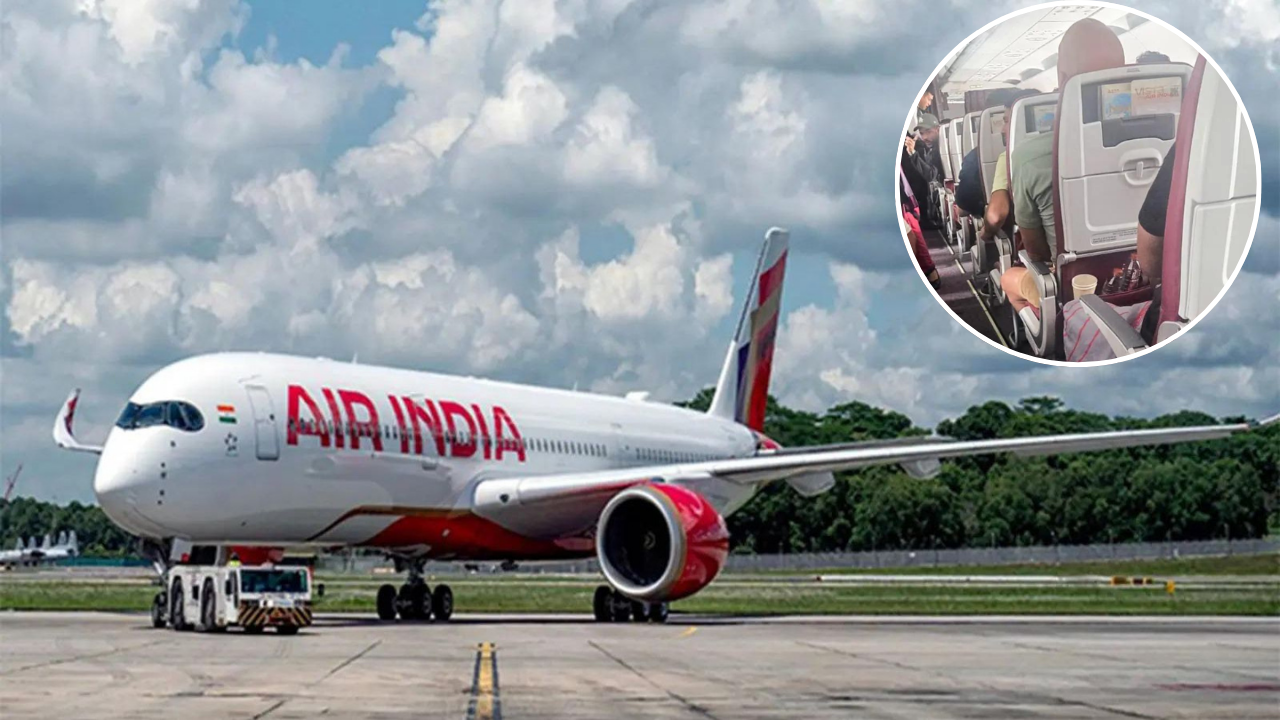
The aviation ministry has directed Air India to tighten its operational oversight and "take responsibility" for ensuring safety, following an incident on a Phuket-Delhi flight that narrowly avoided a serious accident. The ministry has also ordered the Directorate General of Civil Aviation (DGCA) to revise its drug-testing rules on a priority basis and increase the percentage of personnel required to undergo mandatory testing.
The directive comes after the pilot-in-command of flight AI 2379, which was carrying 145 people on August 4, reportedly tested positive in a dope test. The pilot is learnt to have told investigators that he had been prescribed sleeping pills for personal problems, which he claims led to the positive result. The cabin crew has also complained about his behaviour during the flight.
A person familiar with the discussions said the aviation secretary, Samir Sinha, told Air India's leadership in clear terms that the airline must take responsibility, and that those found guilty by the probe will not be spared. The official said the government has taken a serious view of the incident, especially as the final report of an earlier Air India crash is still pending.
During the flight, while cruising near Odisha, the aircraft reportedly received a series of warnings related to its three hydraulic systems, doors and elevator, and the autopilot tripped off. The aircraft lost altitude, injuring several passengers onboard.
An Airbus team, along with officials from the French aviation regulator, is in India to examine the reported issues. The Aircraft Accident Investigation Bureau is probing whether the warnings were genuine or spurious, and what caused them. "We are seeing whether it happened due to mechanical reasons or human intervention," an official said.
The incident has raised questions about Air India's internal safety culture and its adherence to regulatory norms. Aviation safety experts have long emphasised the importance of rigorous random drug testing for flight crew, as even minor lapses can have catastrophic consequences. The government's directive underscores the need for heightened vigilance, particularly at a time when the airline is undergoing significant restructuring.
Under the existing norms, the DGCA mandates random drug testing for a certain percentage of flight crew and ground staff. The new instructions aim to raise this percentage and make the testing procedure more robust. The ministry has also asked the regulator to enforce stricter penalties for personnel testing positive for actual recreational drugs, while giving additional chances to those whose positive results arise from prescribed medication.
This distinction is seen as a step towards addressing mental health issues among pilots, who often hesitate to report personal problems due to fear of losing their licence. The government's move is intended to create a more supportive environment while ensuring safety is not compromised.
Investigators are also examining the flight data recorder and cockpit voice recorder to reconstruct the sequence of events. The pilots have been asked to provide detailed statements, and the airline has been instructed to cooperate fully with the probe. The final investigation report is expected to be released after all findings are consolidated.
In addition to revising drug-testing norms, the ministry has directed the DGCA to ensure that airlines conduct periodic training and awareness programmes for crew members on the hazards of substance use, both recreational and medicinal. The regulator has been asked to submit an action plan within a specified timeframe.







