Govt plans 5 indigenous small modular reactors by 2033, Lok Sabha told
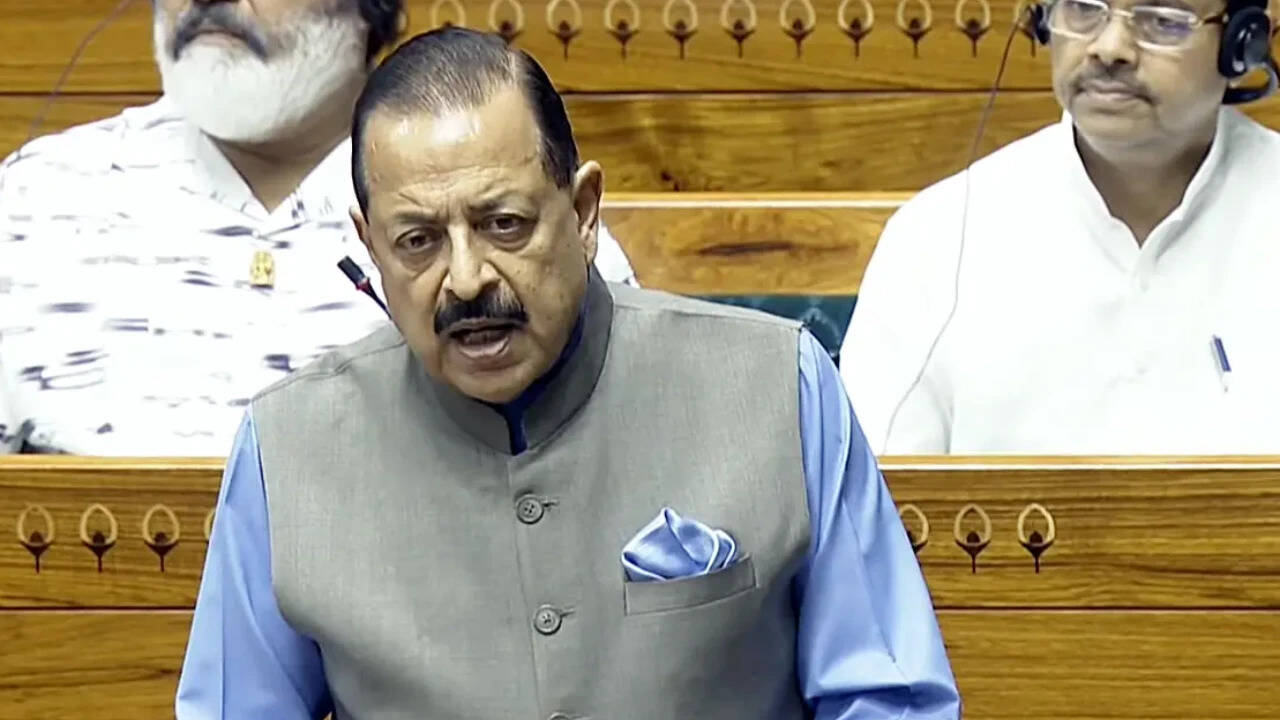
The central government has announced that it aims to develop and operationalise at least five indigenous small modular reactors (SMRs) by 2033, as part of its Nuclear Energy Mission. Minister of State for Atomic Energy Jitendra Singh provided this information in a written reply to the Lok Sabha during the ongoing Monsoon session of Parliament.
According to Singh, the Bhabha Atomic Research Centre (BARC) is currently designing and developing SMR technologies. These include the 220 MWe Bharat Small Modular Reactor (BSMR-200) and the 55 MWe SMR-55, both intended for power generation. Additionally, BARC is developing a high temperature gas cooled reactor (HTGCR) with a capacity of up to 5 MW, which can be linked to a thermochemical cycle for hydrogen production.
The minister said the government has adopted a two-pronged approach to accelerate nuclear capacity addition. The first involves deploying large indigenous reactors, such as the 700 MWe pressurised heavy water reactors (PHWRs) and advanced reactor designs, at greenfield sites. The second focuses on developing and deploying SMRs at brownfield locations, including sites of retiring fossil-fuel-based power plants, captive plants for energy-intensive industries, and off-grid applications in remote areas.
Singh also highlighted the ongoing work of the Indira Gandhi Centre for Atomic Research (IGCAR) in advancing the second stage of India's nuclear power programme. IGCAR is engaged in multidisciplinary research and engineering development for sodium-cooled fast breeder reactors and associated closed fuel-cycle facilities, which are central to India's long-term nuclear strategy.
On thorium utilisation, Singh said India continues to pursue its three-stage nuclear power programme, based on a closed fuel cycle. This approach aims to optimise the use of uranium resources and gradually harness the country's abundant thorium reserves. Thorium is a fertile material and must be converted into fissile uranium-233 in a reactor before it can be used for energy generation. India has already undertaken substantial research and development in this area. Thorium oxide (thoria) pellets have been used in the initial cores of operating PHWRs, and thoria-based fuels have been irradiated in BARC research reactors. The irradiated thoria pins have been reprocessed to obtain uranium-233, which has been used as fuel for the KAMINI reactor at IGCAR, Kalpakkam.
Singh also noted that the Sustainable Harnessing and Advancement of Nuclear Energy for Transforming India (SHANTI) Act, 2025 has been enacted to enable wider participation of both public and private entities in the nuclear sector. This move is expected to strengthen India's indigenous nuclear ecosystem, with a focus on advanced reactor technologies, domestic manufacturing capabilities, and long-term use of thorium resources.
The announcement underscores India's commitment to expanding its nuclear energy capacity while transitioning towards cleaner and more sustainable power sources. Small modular reactors are considered a promising technology due to their lower capital costs, enhanced safety features, and flexibility in deployment compared to conventional large reactors.







