Government Orders GitHub to Remove Bluetooth Messaging App Bitchat Over Security Concerns
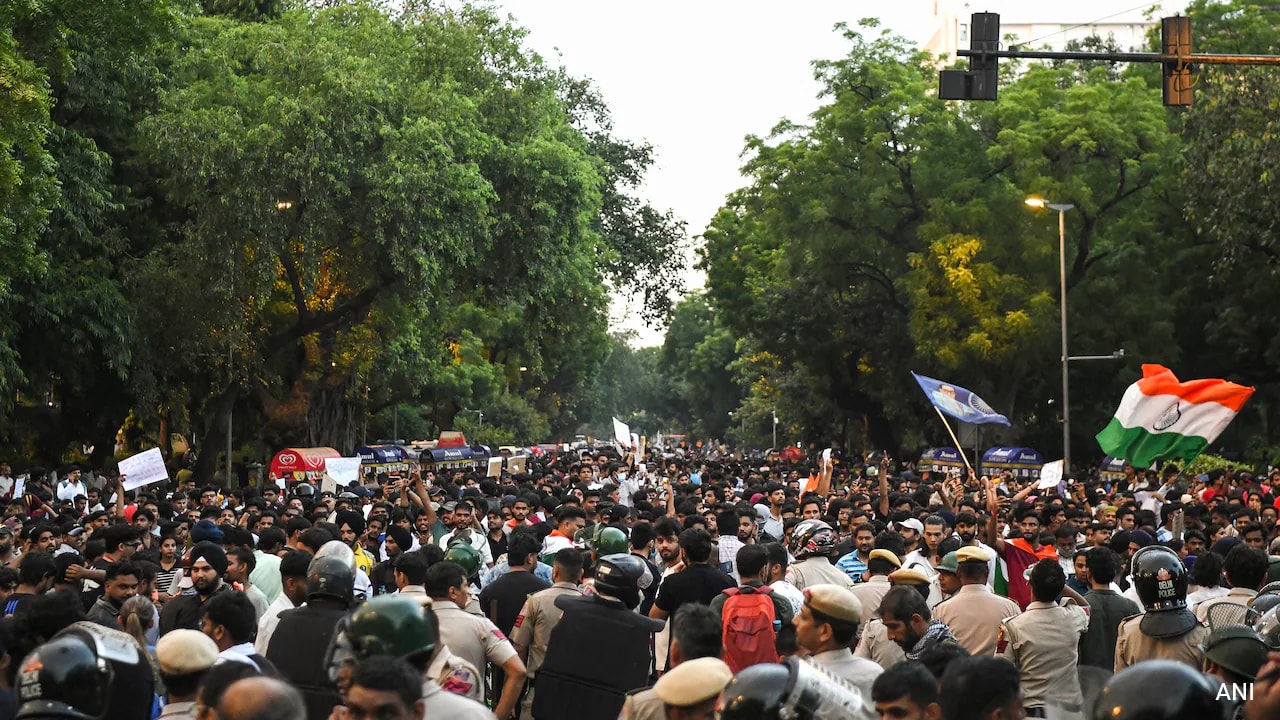
Bitchat, a messaging application that operates over Bluetooth without requiring internet or mobile data, has come under scrutiny from the Indian government. The app reportedly gained traction during protests at Jantar Mantar in New Delhi, organised by the CJP (Cockroach Janata Party). The Ministry of Home Affairs' cybercrime arm, the Indian Cybercrime Coordination Centre (I4C), has ordered Microsoft subsidiary GitHub to remove the app's code repository, citing potential use for unlawful activities.
Jack Dorsey, co-founder of former Twitter (now X) and co-developer of Bitchat, shared the takedown notice on X on July 23. He stated, "The Government of India does not like technologies like Bitchat and wants it taken down." The notice, dated July 23, 2024, directs GitHub to remove the app's source code.
Bitchat uses Bluetooth mesh networking, which allows messages to hop from one phone to another within a range of up to 300 metres, effectively turning each device into a relay station. Unlike traditional messaging apps, it requires no phone number, user account, or central server. Users join local public chat rooms to find contacts before switching to private encrypted conversations. This serverless, end-to-end encrypted design makes it difficult for law enforcement to intercept communications or identify users.
The government's concern stems from the app's potential to facilitate coordination during internet shutdowns or network disruptions. However, critics argue that removing the code from GitHub will have limited impact, as the source code and independent downloads are already widely available among developers. Mirror apps have reportedly started emerging.
The Internet Freedom Foundation (IFF), a digital rights organisation, has criticised the takedown order as "legally flawed on multiple grounds." The IFF has called on the government to withdraw the notice and restore unrestricted internet connectivity around Jantar Mantar. The organisation maintains that the app itself is a legitimate communication tool and that blanket takedowns risk stifling innovation and violating due process.
This incident highlights the ongoing tension between maintaining public order and preserving digital freedoms in India. The government's actions reflect concerns over unregulated communication channels, while civil liberties groups emphasise the importance of privacy and the need for legally sound procedures.